





What's Happening?
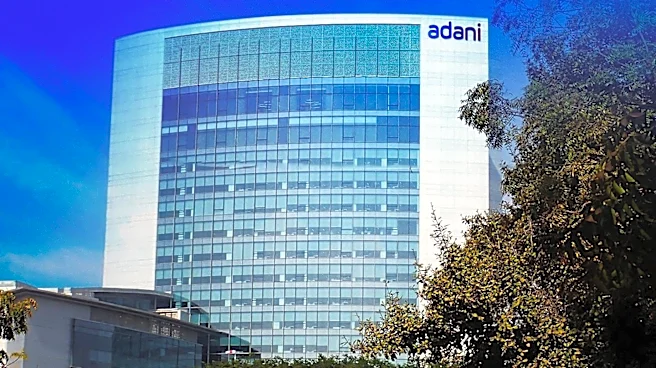
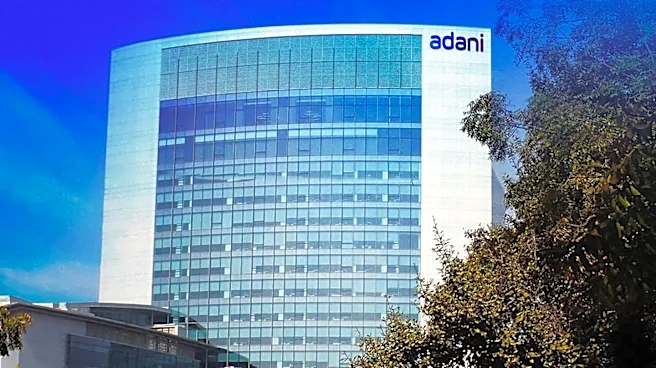
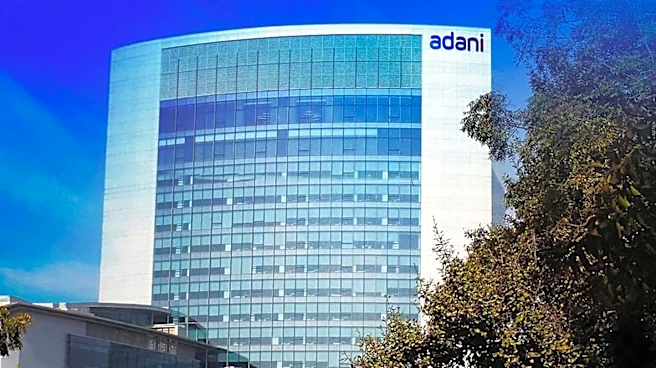
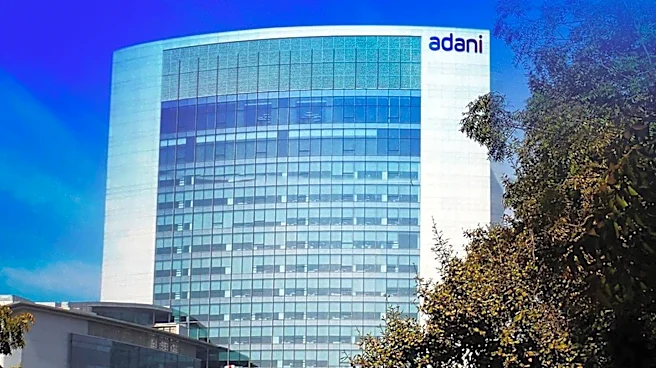
The Adani Group, a diversified Indian conglomerate, intends to invest over $120 billion in infrastructure, energy, and data centers within the next five to six years. This strategic investment plan was highlighted in a Jefferies research note following
the group's annual conference. The group aims to maintain its net debt below 3.5 times its earnings (Ebitda) during this expansion period. Adani Group's Chief Financial Officer, Jugeshinder Singh, emphasized the company's improved financial resilience, citing lower borrowing costs, enhanced asset returns, and a diversified funding base. The group's total debt stood at $43.2 billion at the end of September, with 91% being long-term. Funding sources are diverse, with domestic banks contributing 48%, global banks 23%, global capital markets 16%, and domestic capital markets 8%. A significant portion of this investment will target data centers, with AdaniConneX reporting a 1.2 GW order book and an additional 1 GW in reservations from existing clients, aiming for 5 GW of data center capacity by 2035.
Why It's Important?
This substantial investment by the Adani Group signals a significant push into critical sectors that are foundational for economic growth and technological advancement. The focus on infrastructure, energy, and data centers aligns with global trends towards digitalization and sustainable energy. For the U.S., while the investment is primarily in India, it reflects broader global economic strategies and the increasing importance of these sectors. U.S. companies operating in these fields may find opportunities for collaboration or competition as the Adani Group expands its global footprint. The group's commitment to maintaining a healthy debt-to-Ebitda ratio also indicates a focus on financial stability, which can influence investor confidence in emerging markets. The expansion in data centers, in particular, highlights the growing demand for digital infrastructure, a trend that has implications for cybersecurity, cloud computing, and data management industries worldwide, including those in the U.S.
What's Next?
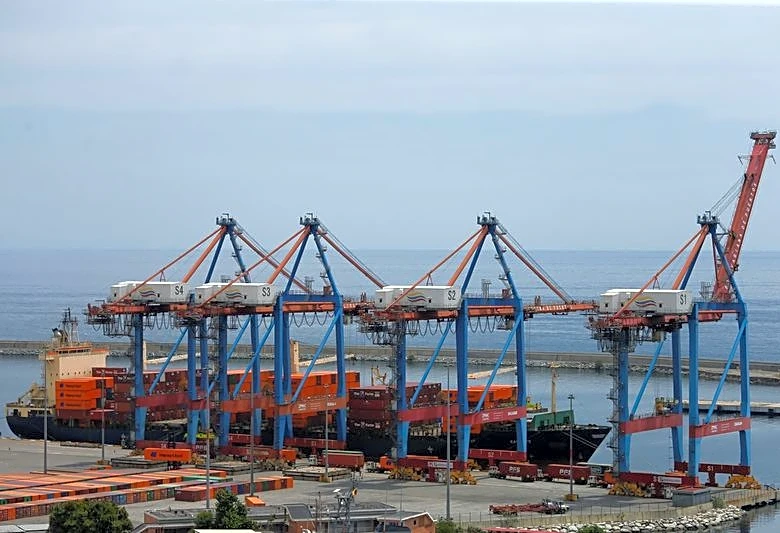
The Adani Group plans to execute its $120 billion investment over the next five to six years, with annual capital expenditures projected to increase from ₹1.53 trillion in FY26 to ₹2 trillion-₹2.2 trillion from FY27 to FY31. The group will continue to focus on expanding its power, ports, transmission, and data center operations. Management has identified construction and execution capacity as primary constraints and has centralized project-building capabilities under Adani Infra to address this. The group also intends to further strengthen investor confidence, which it has been actively rebuilding following a short-seller report in January 2023 and subsequent U.S. legal and regulatory developments. Future developments will likely include continued efforts to optimize borrowing costs and improve asset returns, as well as further expansion in its data center capacity to meet its 5 GW target by 2035.
Beyond the Headlines
The Adani Group's ambitious investment plan extends beyond mere financial figures, reflecting a strategic vision for 'Nation Building' and 'Growth with Goodness,' emphasizing sustainable growth and increased ESG footprint. This approach suggests a long-term commitment to aligning business practices with climate protection and community outreach. The group's defense of related-party transactions, arguing for operational efficiencies through integrated businesses (e.g., power supplies to cement plants, port usage for renewable energy projects), highlights a complex, vertically integrated business model. This model, while potentially efficient, also raises questions about corporate governance and transparency, especially in the context of past controversies. The group's efforts to rebuild investor confidence after recent challenges underscore the increasing scrutiny global conglomerates face regarding their financial health and ethical practices, setting a precedent for how large-scale infrastructure developers navigate both economic growth and public trust.