





What's Happening?
AT&T CEO John Stankey has expressed skepticism about the potential disruption of satellite services like Starlink to the traditional wireless industry. Stankey emphasized that while new competitors are inevitable, satellite providers are entering the market
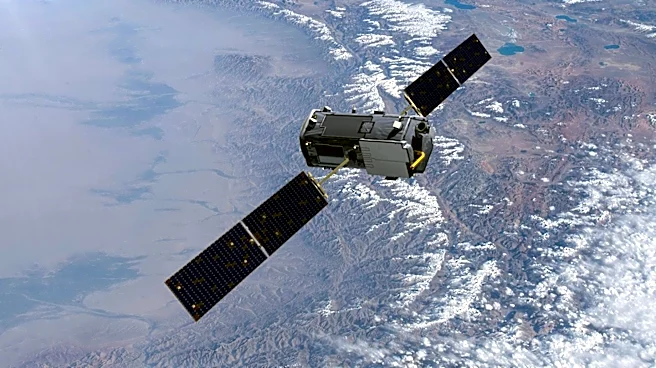
after decades of infrastructure investment in terrestrial networks. He characterized direct-to-device satellite service as a complementary safety net rather than a competitive threat, noting that subscribers spend only about 2% of their time outside ground cell and fiber coverage. This perspective aligns with AST SpaceMobile's approach, which aims to fill dead zones in wilderness and maritime areas rather than replace terrestrial towers.
Why It's Important?
The entry of satellite services into the telecommunications market represents a significant shift in how connectivity is provided, especially in remote areas. While satellite services offer the potential to extend coverage to underserved regions, they are not seen as a replacement for existing networks. This development is crucial for telecom companies like AT&T, which are investing in partnerships with satellite providers to enhance their service offerings. The integration of satellite technology could lead to improved connectivity and service reliability, benefiting consumers and businesses in remote locations.
What's Next?
As satellite services continue to develop, telecom companies will likely explore further partnerships and investments to integrate these technologies into their networks. The focus will be on enhancing coverage and reliability while managing costs associated with new infrastructure. Stakeholders, including telecom companies and satellite providers, will need to navigate regulatory challenges and market competition to capitalize on the opportunities presented by satellite technology.