






What's Happening?
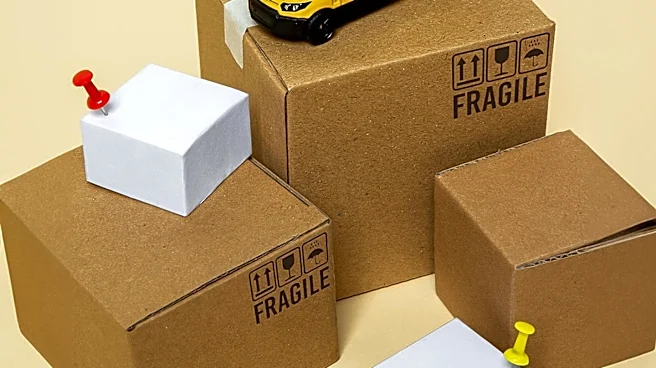
The Boxery, a packaging supplier, has highlighted six crucial questions businesses should ask before purchasing corrugated boxes for fragile items. The company emphasizes that damage claims in e-commerce often stem from incorrect packaging choices rather
than the box itself. Key considerations include the ECT (Edge Crush Test) or Mullen rating, which determines a box's stacking strength and puncture resistance. For most fragile goods under 65 lbs, a 32 ECT single-wall fiberboard is recommended, while heavier or higher-value items like framed art or small appliances require a 44 ECT double-wall box. The Boxery also stresses the importance of proper box sizing, advising a 2-inch clearance on all sides for cushioning to prevent shifting and absorb shock. Oversized boxes lead to wasted void fill, higher dimensional weight charges, and increased risk of damage. Additionally, the type of cushioning (bubble wrap, foam, kraft paper, or packing peanuts) must be appropriate for the item, with corner and edge protection being vital for preventing damage during handling.
Why It's Important?
This guidance is critical for U.S. e-commerce businesses, particularly those selling fragile goods, as it directly impacts profitability and customer satisfaction. Roughly 30% of e-commerce damage claims are attributed to inadequate or incorrect cushioning, leading to financial losses from refunds and negative customer reviews. By following these recommendations, businesses can significantly reduce shipping damage, thereby cutting costs associated with product replacement and return shipping. Proper packaging also enhances brand reputation and customer loyalty, as customers are more likely to reorder from businesses that deliver products intact. The advice on matching wall strength to product weight and travel distance helps businesses optimize packaging costs, avoiding both overspending on unnecessary strength and underspending that leads to damaged goods. Furthermore, selecting a reliable supplier with deep inventory prevents fulfillment delays and ensures consistent packaging quality, which is essential for maintaining operational efficiency and meeting customer demand in a competitive market.
What's Next?
Businesses are encouraged to review their current packaging practices in light of these recommendations. The Boxery suggests analyzing past shipping damage reports to identify common failures in box and cushioning combinations. Moving forward, companies should prioritize selecting corrugated box suppliers that offer a wide range of sizes, clear ECT labeling, and reliable inventory to avoid stockouts. Implementing the '2-inch rule' for cushioning space and investing in appropriate void fill and corner protection will be crucial steps. Suppliers are likely to see increased demand for diverse box sizes and specialized cushioning materials as businesses adopt these best practices. The e-commerce industry may also see a shift towards more standardized packaging guidelines for fragile items, driven by the need to minimize damage and improve the overall customer experience.
Beyond the Headlines
The emphasis on proper packaging extends beyond immediate financial implications, touching upon broader aspects of sustainability and consumer trust. Reducing shipping damage means fewer products end up in landfills, contributing to environmental sustainability. Moreover, the detailed advice on packaging engineering highlights a growing trend in e-commerce towards specialized logistics and supply chain optimization. As online shopping continues to grow, the 'unboxing experience' becomes an integral part of customer perception, and receiving an undamaged, well-packaged item significantly enhances this experience. This focus on meticulous packaging also underscores the increasing complexity of e-commerce operations, where every detail, from box strength to cushioning material, can impact a business's success and its relationship with its customers. The guidance implicitly encourages a more thoughtful and scientific approach to packaging, moving away from generic solutions towards tailored strategies for different product types.