




What's Happening?
Media organizations, including Bloomberg, are increasingly utilizing external strategic public affairs firms to manage high-profile events. This practice involves enlisting well-known political figures or their former advisors to secure the participation
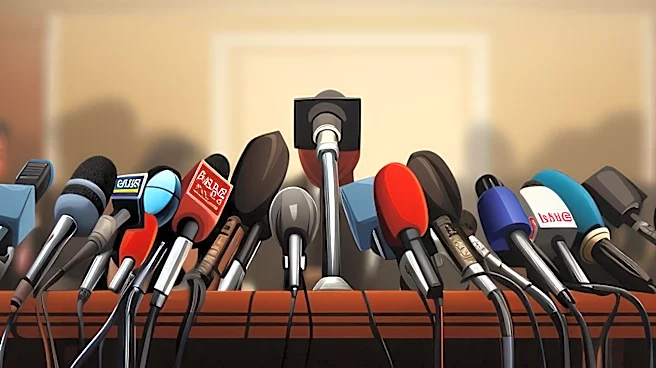
of important players at these gatherings. For instance, Bloomberg has engaged Capricia Marshall, a veteran of the Clinton and Obama White Houses, for its events. This trend has emerged as publishers lean into sponsored in-person events to support their newsrooms, a shift driven by the decline in online web traffic and associated advertising revenue. While the use of such firms is not uncommon in Washington for events requiring executive wrangling, it has sparked debate regarding media companies' trust and credibility, especially given the public's growing cynicism about the perceived closeness between politicians, lobbyists, and the media. The concern is that compensating political hands to attract attendees deepens this perception, even if these individuals have no influence on journalistic questioning.
Why It's Important?
This development is significant because it highlights a growing tension between the financial sustainability of news organizations and the maintenance of public trust. In an era where the news media faces low public trust, any practice that suggests coziness with political or lobbying interests can further erode credibility. The reliance on sponsored events, while a necessary revenue stream for many struggling media outlets, introduces ethical questions about the influence of sponsors and the potential for conflicts of interest. When media companies hire political operatives to facilitate events, it can create an appearance of impropriety, even if journalistic integrity is maintained. This situation affects the public's perception of media impartiality and the ability of news organizations to hold powerful figures accountable without perceived external influence.
What's Next?
The ongoing scrutiny of media companies' event strategies may lead to increased calls for greater transparency regarding their relationships with external public affairs firms and event sponsors. Media organizations might face pressure to disclose these arrangements more explicitly to their audiences to mitigate concerns about influence. There could also be internal reviews within media companies to re-evaluate their ethical guidelines concerning event planning and the engagement of political consultants. As the financial pressures on newsrooms persist, the industry will likely continue to explore diverse revenue models, but the challenge will be to do so in a way that does not compromise journalistic independence or public trust. This could lead to the development of new best practices or industry standards for managing high-profile events.
Beyond the Headlines
Beyond the immediate concerns of trust and credibility, this trend points to a broader evolution in the business model of journalism. The shift from advertising-reliant digital content to event-driven revenue streams signifies a fundamental change in how news is funded and disseminated. This evolution raises deeper questions about the future of independent journalism and its susceptibility to commercial pressures. The ethical dilemma extends to whether the pursuit of financial viability through such means inadvertently blurs the lines between journalism, public relations, and lobbying. It also highlights the challenge for media organizations to maintain their role as watchdogs while simultaneously engaging with the very power structures they are meant to scrutinize. The long-term implication could be a further erosion of the public's ability to distinguish between independent reporting and content influenced by commercial or political interests.