






What's Happening?
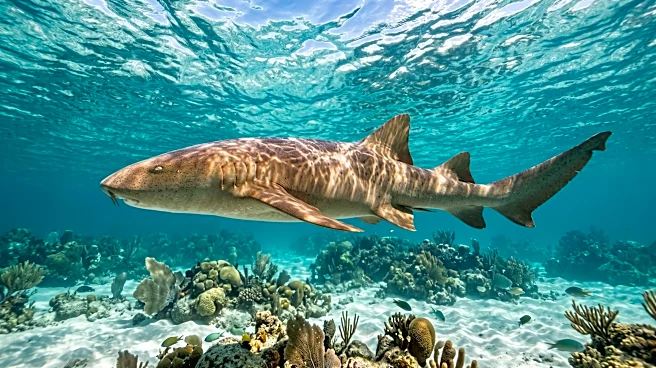
Supervised swimming encounters with nurse sharks are available in the Bahamas, primarily at Blue Lagoon Island in Nassau and Compass Cay in the Exumas. Nurse sharks are described as docile, bottom-dwelling, and largely nocturnal creatures, typically 7-9
feet long. They are not considered aggressive towards humans, with no confirmed fatal attacks on record. Incidents involving bites almost always stem from provocation, such as grabbing or cornering the shark. These guided programs emphasize safety briefings, professional supervision, and strict adherence to rules like not touching the sharks' mouths or gills, not chasing them, and not feeding them. Blue Lagoon Island, operated by Dolphin Encounters since 1989, offers a 'Shark Experience & Snorkel' starting at $144 per person, including ferry transport and gear. Compass Cay provides a less structured experience where sharks gather naturally in the marina, though it requires more extensive travel.
Why It's Important?
The availability of supervised nurse shark encounters in the Bahamas highlights a growing segment of marine tourism that balances wildlife interaction with safety protocols. For U.S. tourists, these programs offer a unique opportunity to engage with marine life in a controlled environment, potentially boosting tourism to the region. The emphasis on safety and education in these programs helps to demystify sharks, particularly nurse sharks, which are often misunderstood due to their portrayal in media. This can foster greater public appreciation for marine conservation efforts. The economic impact extends to local operators, guides, and related services, providing employment and revenue. However, it also underscores the importance of responsible tourism to ensure the well-being of both humans and marine ecosystems, as even docile species can react defensively if provoked.
What's Next?
As marine tourism continues to evolve, the demand for unique wildlife encounters like swimming with nurse sharks is likely to persist. Operators will continue to refine safety protocols and educational components to ensure sustainable practices. The success of these programs could encourage the development of similar supervised interactions with other marine species, provided they meet stringent safety and ethical standards. There may be increased scrutiny from conservation groups to ensure that these encounters do not negatively impact the sharks' natural behaviors or habitats. For tourists, the trend suggests a continued preference for immersive and educational travel experiences, driving innovation in the adventure tourism sector.
Beyond the Headlines
The supervised nurse shark encounters touch upon broader themes of human-wildlife coexistence and the ethics of animal tourism. While these programs aim to be educational and non-harmful, they raise questions about the long-term effects of habituating wild animals to human presence, even in controlled settings. The distinction between 'docile' and 'safe' is crucial, as even a non-aggressive animal can cause injury if its boundaries are crossed. These experiences also contribute to a shift in public perception, moving away from fear-based narratives about sharks towards an understanding of their ecological role. This can indirectly support broader marine conservation initiatives by fostering empathy and a desire to protect these creatures and their habitats.