





What's Happening?
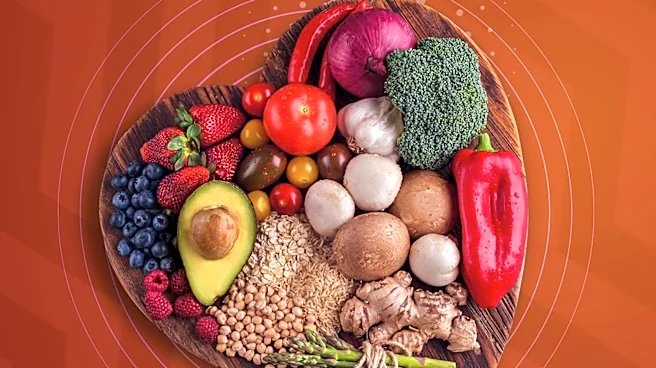
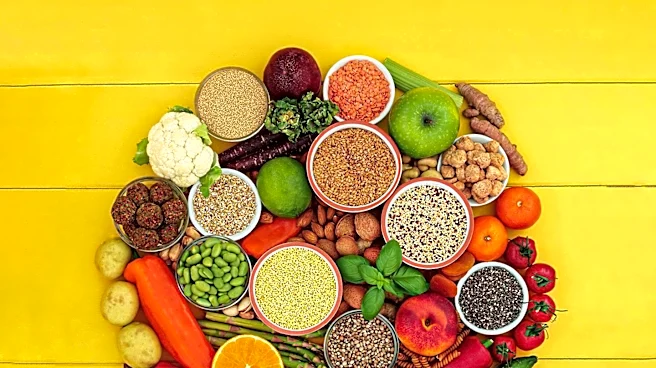
Research led by Ludwig Princeton scientists reveals that dietary fiber and plant proteins can influence gut bacteria to produce beneficial metabolites, improving gut health and metabolism. The studies show that when fiber and indigestible plant proteins are
present, gut bacteria are less likely to consume the protective mucus lining of the intestines. This shift promotes the production of metabolites associated with better health outcomes. The findings challenge previous assumptions about the sources of these metabolites, highlighting the role of diet in shaping the gut microbiome.
Why It's Important?
The research underscores the importance of diet in maintaining gut health and preventing metabolic disorders. By understanding how specific dietary components influence gut bacteria, healthcare providers can offer more targeted nutritional advice to improve health outcomes. This knowledge could lead to the development of dietary interventions and therapies aimed at optimizing the gut microbiome, potentially reducing the risk of chronic diseases. The findings also highlight the need for further research into the complex interactions between diet, gut bacteria, and human health.