





What's Happening?
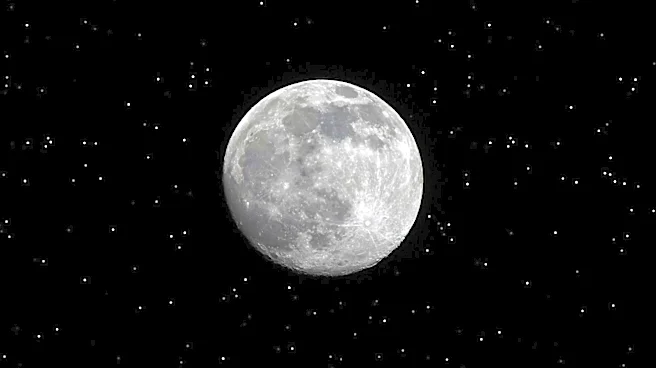
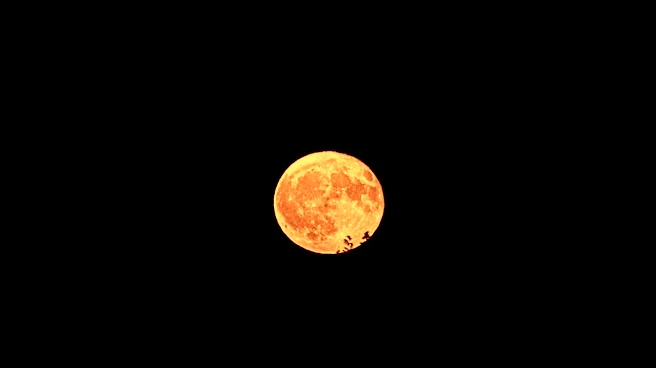
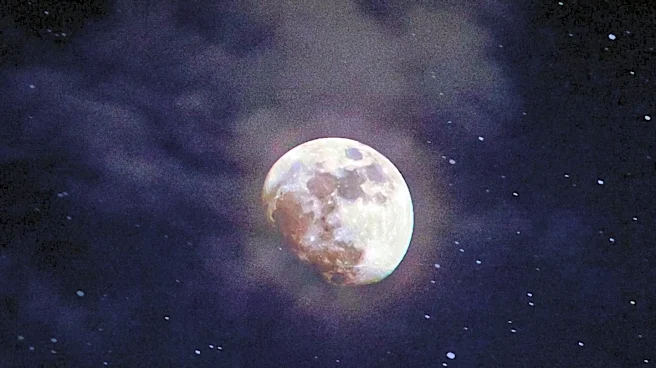
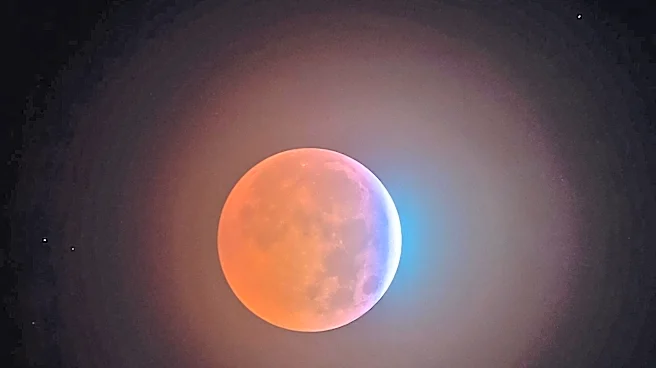
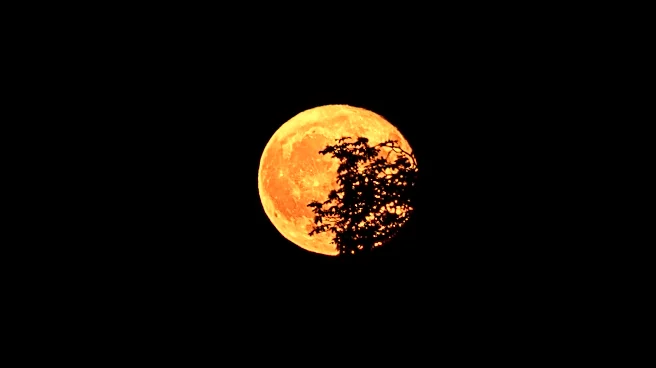
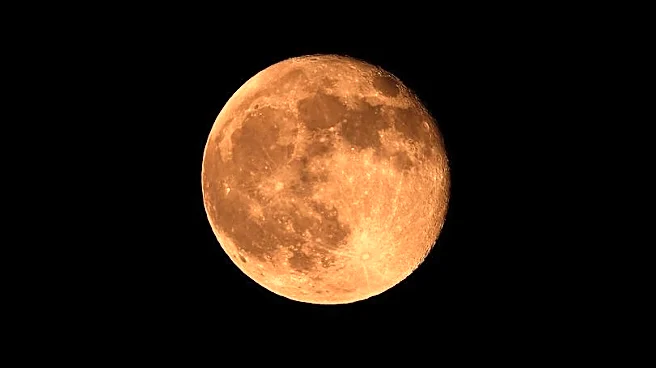
The Strawberry Moon, the first full moon of summer, is set to peak on June 29, 2026. Known for its name derived from the ripening of strawberries, this full moon will also be a micromoon, appearing smaller due to its distance from Earth. The phenomenon
occurs when the moon is at its farthest point from Earth, approximately 251,000 miles away. The Strawberry Moon's name, like other full moon names, originates from Native American and other cultural traditions. It will be visible worldwide, with optimal viewing conditions depending on local weather.
Why It's Important?
The Strawberry Moon offers a unique opportunity for cultural and astronomical appreciation. As a micromoon, it provides a chance to observe the moon's varying size and distance from Earth, enhancing public interest in astronomy. The cultural significance of the moon's name highlights the intersection of natural phenomena and human traditions, fostering a deeper connection to seasonal changes. Such events can inspire educational initiatives and community gatherings, promoting awareness of both scientific and cultural heritage. The visibility of the moon across the globe also serves as a unifying experience, connecting people through a shared natural spectacle.
What's Next?
Following the Strawberry Moon, the next micromoon will not occur until July 18, 2027. In the meantime, other full moons will continue to offer opportunities for observation and cultural reflection. The upcoming full moons, each with their own unique names and characteristics, will provide further occasions for public engagement with astronomy and cultural traditions. As interest in celestial events grows, educational programs and community events may expand, encouraging more people to explore and appreciate the night sky. The ongoing cycle of full moons serves as a reminder of the natural rhythms that influence both the environment and human culture.