



What's Happening?
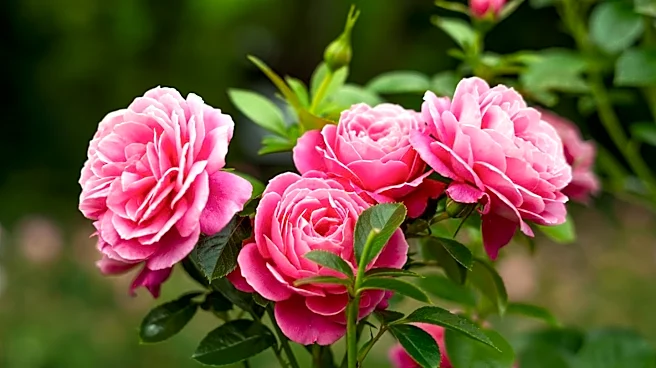
As summer temperatures rise, maintaining healthy roses becomes a challenge for gardeners. Experts like Wes Harvell, a Rosarian at Jackson & Perkins, emphasize the importance of deep watering to encourage drought tolerance and deeper root growth. For in-ground
roses, watering deeply once or twice a week is recommended, with increased frequency during prolonged heat. Container-grown roses require daily checks and watering when the top inch of soil feels dry. Additionally, tying in climbing roses and pruning are essential tasks to promote healthy growth and flowering. Proper care can prevent common issues like black spot and ensure vibrant blooms throughout the season.
Why It's Important?
Proper rose care during the summer is crucial for maintaining the health and beauty of these popular garden plants. Roses are a staple in many gardens, and their vibrant blooms add aesthetic value to outdoor spaces. By following expert advice on watering and maintenance, gardeners can prevent stress and disease in their rose plants, ensuring a longer blooming period. This not only enhances the visual appeal of gardens but also supports local ecosystems by providing habitat and food for pollinators. Effective rose care can also reduce the need for chemical treatments, promoting a more sustainable gardening approach.
What's Next?
As gardeners continue to seek ways to maintain healthy roses, there may be increased interest in innovative gardening tools and products that simplify care tasks. Educational resources and workshops on rose care could become more prevalent, offering guidance to both novice and experienced gardeners. The development of disease-resistant rose varieties may also gain traction, providing more options for gardeners facing challenging growing conditions. Additionally, collaborations between gardening experts and environmental organizations could promote sustainable practices and raise awareness about the importance of biodiversity in garden ecosystems.
Beyond the Headlines
The focus on rose care during summer highlights the broader challenges of gardening in changing climate conditions. As temperatures rise and weather patterns become more unpredictable, gardeners must adapt their practices to ensure plant health and resilience. This situation underscores the importance of research and innovation in horticulture, as well as the need for community support and knowledge sharing. By fostering a culture of sustainable gardening, individuals can contribute to environmental conservation and resilience in the face of climate change.