





What's Happening?
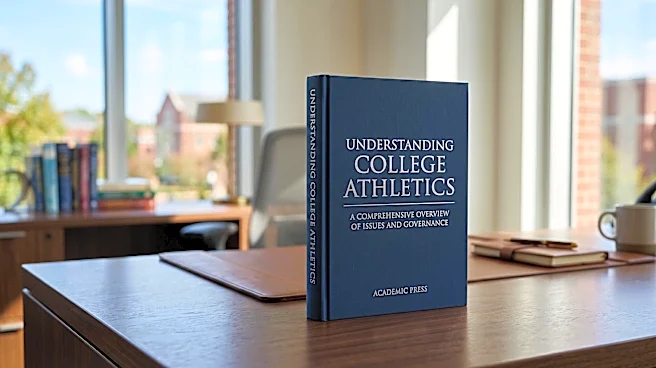
Karen Weaver, a professor at the University of Pennsylvania, has authored a new book titled 'Understanding College Athletics: What Campus Leaders Need to Know About College Sports.' The book aims to provide university presidents and senior leaders with
a comprehensive understanding of the rapidly changing environment in college athletics. Weaver, a former Hall of Fame field hockey player and coach, recognized a gap in knowledge among higher education administrators regarding the complexities of college sports. Her work addresses critical contemporary issues such as Name, Image, and Likeness (NIL) deals, the transfer portal, and new legislation like the Protect College Sports Act. The book, which was published in August, draws on four years of research and experience to help institutions develop athletic models that align with their specific missions and financial capabilities. Weaver emphasizes the need for university leaders to engage in discussions about the current state of athletics, rather than relying on outdated perspectives from two decades ago.
Why It's Important?
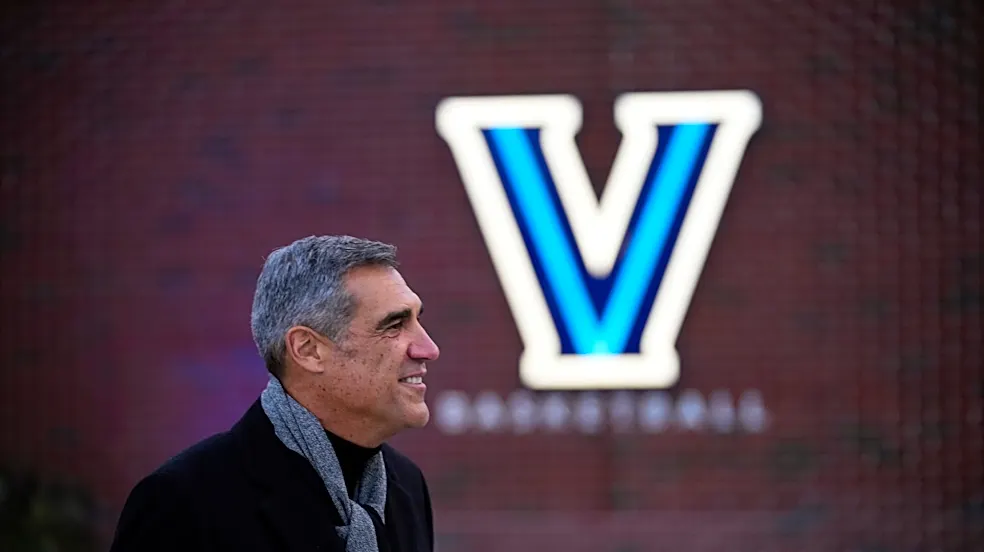
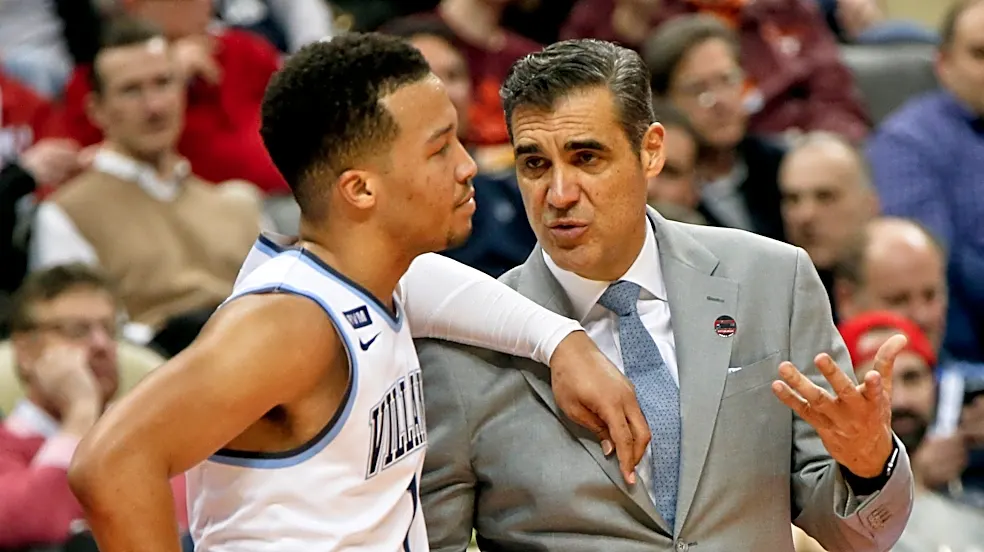
The publication of 'Understanding College Athletics' is significant because it directly addresses the challenges faced by U.S. universities in navigating the evolving landscape of college sports. The book highlights the increasing financial pressures on athletic departments, particularly for Division I schools, and questions the sustainability of current models. It also brings to light the impact of athletic success on student enrollment, citing Villanova's 21% increase in applicants after winning a national basketball championship. However, Weaver also points out that such success is not guaranteed and that institutions must define their unique identity. The book's focus on the immediate gratification sought by student-athletes through transfers and NIL deals, as opposed to long-term benefits, underscores a shift in priorities that could affect academic progress and athlete welfare. Furthermore, the discussion on the rise of sports gambling among college students and its potential negative consequences for athletes and institutions is a critical concern for public policy and student well-being.
What's Next?
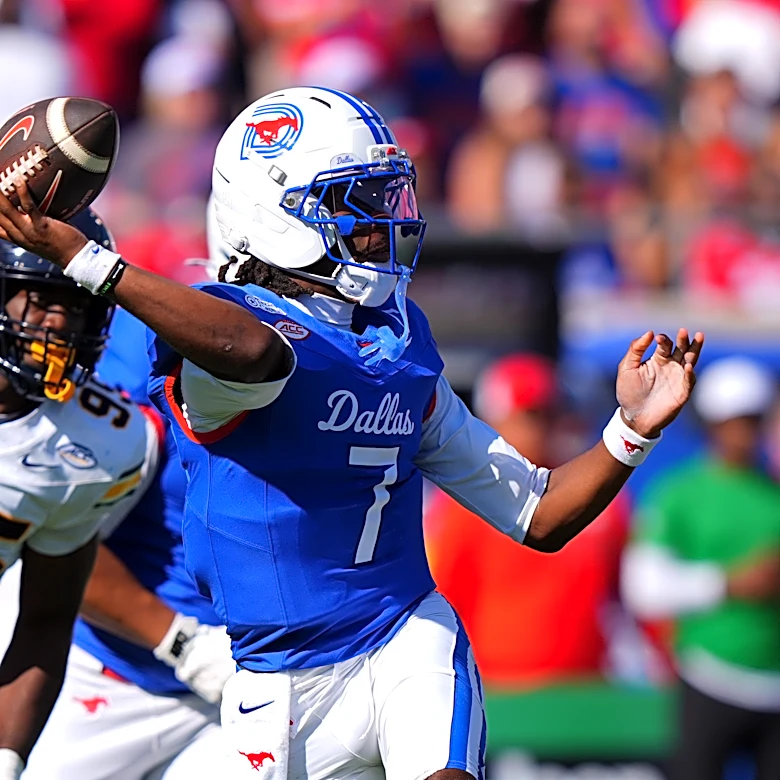
The book is intended to encourage ongoing discussions among university presidents, boards of trustees, and senior leadership regarding the future of college athletics. It is anticipated that institutions will use Weaver's guide to re-evaluate their athletic programs, considering whether their current models align with their mission and financial realities. The book's insights may prompt more universities to rethink the role of athletics on their campuses, potentially leading to decisions similar to Spelman College eliminating varsity sports or Saint Francis University moving from Division I to Division III. The emphasis on athlete medical care and the transfer of medical information between institutions suggests that these areas may see increased scrutiny and calls for policy changes. Additionally, the concerns raised about sports gambling among college students could lead to greater awareness campaigns and preventative measures on campuses, as well as potential legislative action to address the issue.
Beyond the Headlines
Beyond the immediate operational and financial implications, Weaver's book delves into deeper ethical and cultural dimensions of college athletics. The 'Cinderella trap' concept, where underdog teams are less likely to advance in NCAA tournaments, suggests a shift towards a more predictable, money-driven sports environment, potentially diminishing the romanticized aspects of college sports. The book implicitly questions the balance between commercial interests, such as media contracts and gambling, and the educational mission of universities. The discussion about the lack of research on the academic progress of student-athletes who transfer multiple times highlights a potential oversight in prioritizing athletic performance over academic development. Furthermore, the emotional toll on athletes due to fan abuse related to gambling losses, as exemplified by the Dayton team incident, raises serious ethical questions about the responsibility of institutions and the broader sports industry to protect young athletes from external pressures.