






What's Happening?
Lymphatic massage, a technique traditionally used in the medical community to reduce swelling after surgery, aid lymphedema, and support conditions like MS and Parkinson's, has surged in popularity as a wellness trend. Often marketed with terms like 'skinny
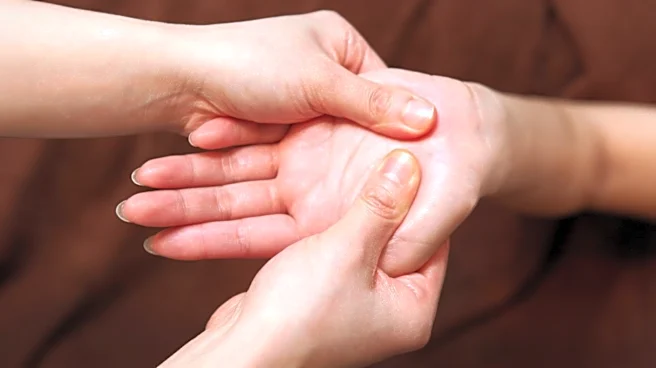
massage' or 'detox massage,' it is now sought after for its aesthetic benefits, such as reducing bloating and creating a more contoured appearance. Experts like Lauren Martinez, founder of Self Wellness & Beauty, and Ana Richiez, owner of Holistic Heart Massage Therapy in Nashville, emphasize that while the immediate visual changes are primarily due to reduced excess fluid and swelling, the core benefit lies in supporting the body's natural waste-flushing system. The technique involves light, gentle, rhythmic strokes, distinct from traditional deep tissue massages, focusing on encouraging lymphatic fluid movement towards drainage pathways.
Why It's Important?
The increasing popularity of lymphatic massage as a wellness trend in the U.S. signifies a growing consumer interest in holistic health and non-invasive body contouring methods. This trend impacts the wellness and beauty industries by creating new service demands and market opportunities for trained practitioners. It also highlights a shift in consumer perception, where medical techniques are being adopted for lifestyle and aesthetic purposes. For individuals, it offers a potential avenue for reducing bloating, improving energy levels, and enhancing overall well-being, beyond just cosmetic appeal. However, it also raises the importance of consumer education regarding the actual benefits versus marketing hype, as experts caution that it does not remove body fat and results are temporary without consistent healthy habits. The distinction between clinical and aesthetic approaches, such as the Brazilian method, also shapes how services are offered and perceived.
What's Next?
As lymphatic massage continues to gain traction, there will likely be an increased demand for certified and well-trained practitioners to ensure safe and effective treatments. The industry may see a further diversification of techniques, with practitioners combining various approaches to meet client needs. Educational initiatives will become crucial to inform the public about the medical versus aesthetic applications of lymphatic drainage, managing expectations regarding results, and identifying contraindications. Consumers should expect to see more specialized bodywork spaces emerging, emphasizing the need for thorough research before selecting a practitioner. The longevity of results will continue to depend on individual lifestyle choices, prompting a focus on integrating lymphatic massage with broader wellness routines, including hydration, diet, and activity levels.
Beyond the Headlines
The mainstream adoption of lymphatic massage for aesthetic purposes raises deeper questions about societal beauty standards and the pursuit of instant gratification. While the technique offers genuine physiological benefits, its 'Insta-glam' portrayal can create unrealistic expectations, particularly regarding body fat reduction. This trend underscores the ongoing tension between medical efficacy and commercial appeal in the wellness industry. It also highlights the importance of professional integrity, as practitioners must clearly communicate the limitations of lymphatic massage to clients. Furthermore, the emphasis on detoxification and fluid removal taps into a broader cultural narrative around 'cleansing' and 'purifying' the body, reflecting contemporary anxieties about environmental toxins and sedentary lifestyles. This could lead to a more integrated approach to wellness, where external treatments are combined with internal health practices for sustained well-being.