







What's Happening?
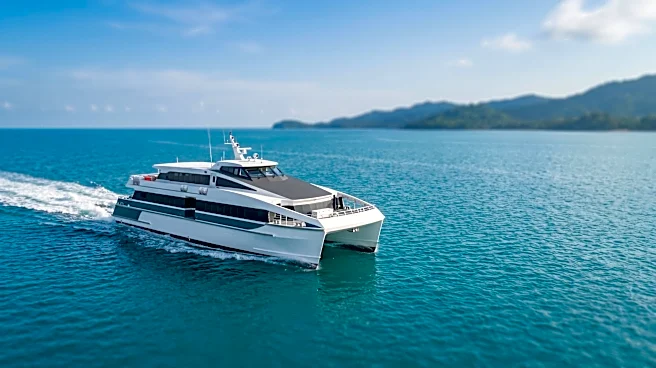
Interferry has revealed the panel lineups for its 50th Anniversary Conference, scheduled to take place in Bangkok, Thailand, from October 31 to November 4, 2026. The conference will feature three Ferry Leaders Panels, bringing together senior executives
from global ferry operators. These panels will focus on critical operational, human, and strategic challenges facing the ferry shipping industry. Key topics include navigating technological advancements, developing new energy solutions, and addressing evolving regulatory demands. Interferry Chairman Götz Becker of FRS and Matteo Catani of GNV will provide insights on regulatory changes and alternative fuels. The executive panels, moderated by Interferry CEO Mike Corrigan and Seamus Murphy of San Francisco Bay Ferry, will explore themes such as future-proofing operations through investment in people, fostering cross-departmental knowledge, and promoting inclusive leadership. Another panel will discuss the balance between public service obligations and operational efficiency for lifeline and commuter services, while a third will examine leadership in a changing ferry industry, focusing on strategic priorities, investment decisions, decarbonization pathways, and fleet innovation.
Why It's Important?
The Interferry conference is significant for the global maritime industry, including U.S. ferry operators, as it addresses universal challenges such as decarbonization, technological integration, and workforce development. The discussions on future-proofing operations and investing in people are crucial for maintaining a skilled labor force and adapting to rapid technological changes, which directly impacts the efficiency and safety of ferry services. The focus on balancing public service obligations with operational efficiency is particularly relevant for U.S. regions that rely on ferries as essential public infrastructure, such as coastal communities and urban centers with water transit systems. The insights shared on strategic priorities and fleet innovation can influence investment decisions and operational strategies for U.S. companies, potentially leading to more sustainable and resilient ferry services. Furthermore, the emphasis on high-level collaboration among global operators can foster the exchange of best practices and accelerate the adoption of innovative solutions across the industry, benefiting U.S. operators by providing models for addressing similar challenges.
What's Next?
Following the announcement of the panel lineups, the Interferry conference in Bangkok in late 2026 will serve as a platform for global ferry leaders to deliberate on the future direction of the industry. The outcomes of these discussions are expected to influence strategic planning and investment decisions for ferry operators worldwide, including those in the U.S. Attendees will likely return with new perspectives on regulatory compliance, technological adoption, and human capital development. The insights gained from the panels on decarbonization pathways and fleet innovation could lead to the implementation of new environmental strategies and the adoption of advanced vessel technologies. Furthermore, the emphasis on collaboration suggests that new partnerships or initiatives might emerge from the conference, aiming to address shared industry challenges more effectively. The resources and best practices shared could also inform policy discussions and regulatory frameworks in various countries, potentially impacting the operational landscape for U.S. ferry services in the coming years.
Beyond the Headlines
Beyond the immediate operational and strategic discussions, the Interferry conference highlights deeper implications for the maritime sector. The focus on 'Powered by People' underscores the critical need for continuous competence building and inclusive leadership, reflecting a broader societal shift towards valuing human capital and fostering diverse work environments. This emphasis on workforce development is vital for attracting and retaining talent in an industry facing an aging workforce and increasing demand for specialized skills related to new technologies and energy solutions. The discussions on balancing public service with operational efficiency also touch upon the evolving role of public-private partnerships and the need for sustainable funding models for essential infrastructure. This has ethical dimensions, as it involves ensuring equitable access to transportation while maintaining financial viability. The conference's global scope also points to the interconnectedness of the maritime industry, where regulatory changes or technological advancements in one region can have ripple effects worldwide, necessitating international collaboration and shared learning to navigate complex transitions effectively.