





What's Happening?
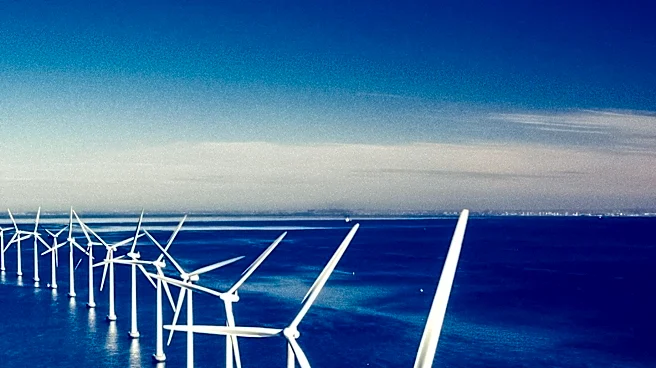
Orsted stock (ISIN DK0060094928) is demonstrating stable valuation as investors monitor the company's ongoing involvement in major offshore wind projects across Europe and North America. The Danish renewable energy group is a significant player in the global
offshore wind sector, focusing on expanding its installed offshore wind capacity. This strategy is bolstered by long-term power purchase agreements and government-backed frameworks, which provide clear visibility into future cash flows. Investors are closely tracking Orsted's role in large-scale offshore wind developments, which are crucial for the global energy transition. The company's business model involves developing and operating extensive offshore wind farms, generating electricity sold under long-term contracts to various entities, including utilities and corporate customers. These projects typically require substantial upfront capital investment but promise stable cash flows once operational. Orsted's historical financial performance has been tied to the pace of offshore wind deployment and its contract structures, with revenue growth often driven by new projects commencing commercial operation.
Why It's Important?
Orsted's stable stock performance and continued expansion in offshore wind are significant for the renewable energy sector and broader energy transition efforts. As a pioneer in offshore wind power, Orsted's success in deploying large-scale projects provides a benchmark for the industry, influencing investment trends and technological advancements. The company's reliance on long-term power purchase agreements and government support frameworks highlights the importance of stable policy environments for large-scale renewable energy infrastructure development. This approach helps de-risk investments in capital-intensive projects, making them more attractive to investors. The ongoing development of offshore wind capacity, particularly in North America, contributes directly to reducing carbon emissions and enhancing energy independence. Orsted's financial health and project execution capabilities are critical indicators for the viability and scalability of offshore wind as a primary energy source, impacting energy security and climate goals globally.
What's Next?
Looking ahead, Orsted's trajectory will likely be shaped by its ability to continue executing large offshore wind projects on schedule and within budget, navigating potential challenges such as supply chain constraints and cost inflation. Analysts will continue to focus on the company's guidance for capacity additions, expected earnings before interest and taxes from its offshore wind portfolio, and projected returns on invested capital. Future developments will also depend on the outcomes of new offshore wind tenders and the sustained regulatory support for renewables across key markets. Investors will weigh historical financial outcomes against the future potential of these new projects and the company's operational efficiency. The company's strategy of securing long-term power purchase agreements will remain crucial for ensuring predictable revenue streams and maintaining investor confidence, as it continues to build out its multi-gigawatt portfolio of operational assets and projects under development.
Beyond the Headlines
The stability of Orsted's stock amidst its ambitious offshore wind expansion reflects a broader market confidence in renewable energy, particularly in the long-term viability and profitability of offshore wind. This trend underscores a significant shift in global energy investment away from fossil fuels towards sustainable sources. The company's business model, which often involves partnerships with other investors and suppliers, highlights the collaborative nature required for large-scale infrastructure projects in the renewable sector. Furthermore, the emphasis on government-backed frameworks and long-term contracts points to the critical role of policy and regulatory stability in de-risking and accelerating the energy transition. This long-term commitment to offshore wind development also has profound implications for job creation, technological innovation, and the development of new industrial supply chains, fostering economic growth in regions embracing renewable energy initiatives.