
What's Happening?
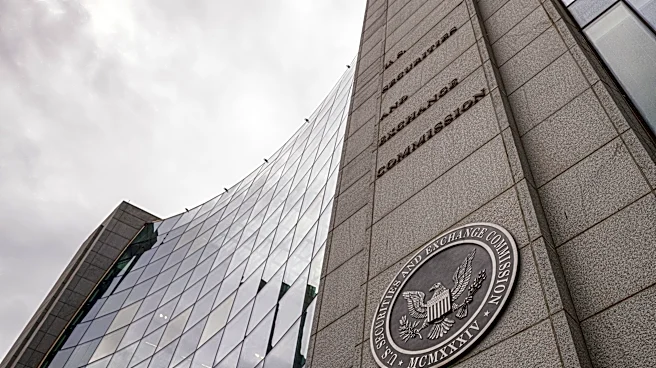
The Securities and Exchange Commission (SEC) has announced that cybersecurity and 'super intelligence' (SI), its preferred term for artificial intelligence, will be top priorities in its 2027 examinations
of SEC-registered entities. The Division of Examinations' Fiscal Year 2027 Examination Priorities, published on October 23, 2026, emphasizes these areas for investment advisers, investment companies, broker-dealers, and other regulated entities. Examiners will assess registrants' preparedness for SI-enabled threats such as phishing and deepfake social engineering. They will also review policies for monitoring SI used in fraud detection, back-office operations, anti-money laundering (AML), Regulation BI, and trading. Furthermore, the SEC will test the accuracy of representations made about automated tools. The cybersecurity focus will largely align with previous years, covering governance, data loss prevention, access controls, account management, and incident response, including ransomware. Examiners will also scrutinize risks from third-party service providers and shared technologies, and assess compliance with recent amendments to Regulation S-P and Regulation S-ID concerning incident response, customer notification, and identity theft programs.
Why It's Important?
The SEC's heightened focus on 'super intelligence' and cybersecurity signals a critical shift in regulatory oversight, reflecting the growing impact of AI on financial markets and the increasing sophistication of cyber threats. This prioritization will compel SEC-registered entities to significantly enhance their AI governance frameworks, cybersecurity defenses, and compliance programs. Firms that fail to adequately address SI-enabled risks, such as deepfake social engineering and AI-driven fraud, could face substantial regulatory penalties and reputational damage. This move is particularly important for protecting investors and maintaining market integrity, as AI's rapid adoption introduces new vulnerabilities and complexities. The emphasis on third-party risk management also underscores the interconnectedness of the financial ecosystem, requiring firms to ensure their vendors and partners meet stringent security and AI-related standards. Ultimately, this regulatory push aims to foster a more secure and resilient financial sector in the face of evolving technological challenges.
What's Next?
SEC-registered entities should immediately begin reviewing and updating their cybersecurity and 'super intelligence' policies and procedures to align with the announced 2027 examination priorities. This includes conducting comprehensive risk assessments for AI-enabled threats, strengthening incident response plans, and enhancing employee training on deepfake and phishing awareness. Firms will also need to ensure that their representations about automated tools are accurate and verifiable. The SEC's focus will likely lead to increased demand for cybersecurity and AI governance solutions, as well as specialized compliance consulting services. Furthermore, the emphasis on third-party risk management will necessitate more rigorous due diligence and oversight of technology vendors. The outcomes of these examinations could influence future regulatory guidance and potentially lead to new rules or amendments to existing regulations, further shaping the landscape of AI and cybersecurity compliance in the financial industry.
Beyond the Headlines
The SEC's adoption of the term 'super intelligence' (SI) following a September 2026 executive order highlights a broader governmental effort to standardize terminology and approach the advanced capabilities of AI with a sense of urgency and caution. This linguistic shift reflects a recognition that AI's potential impact extends beyond mere automation, touching upon areas of profound societal and economic transformation. The regulatory focus on SI-enabled threats like deepfake social engineering underscores the ethical dimensions of AI, particularly concerning trust, authenticity, and the potential for manipulation. This move by the SEC could set a precedent for other regulatory bodies to integrate AI oversight into their mandates, fostering a more comprehensive and coordinated approach to governing advanced technologies across various sectors. It also signals a growing awareness that the financial industry, as a critical infrastructure, must be at the forefront of addressing the complex challenges posed by rapidly advancing AI.