







What's Happening?
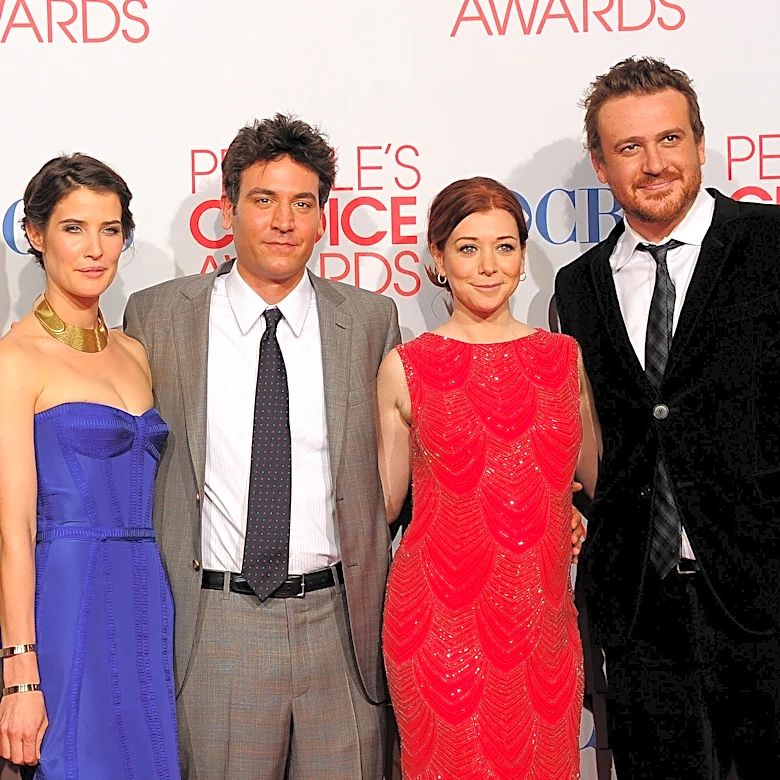
Josh Radnor, known for his role as Ted Mosby in the CBS series 'How I Met Your Mother,' has stated that the cast is no longer close. During an interview on the 'Half the Picture' podcast, Radnor clarified that this is not a dramatic revelation but a natural
progression as individuals pursue different professional and personal paths. He likened the experience to college, where intense daily interactions eventually dissipate. Radnor mentioned occasional communication with Jason Segel (Marshall Eriksen) via messages but noted he hasn't seen him in a long time. He has seen Cobie Smulders (Robin Scherbatsky) twice recently, both times via Zoom for a podcast dedicated to reviewing 'How I Met Your Mother.' Alyson Hannigan (Lily Aldrin) has not been seen by Radnor since her wedding in January 2024. The relationship with Neil Patrick Harris (Barney Stinson) was discussed on Radnor's podcast earlier this year, where they addressed past on-set tensions. Harris admitted his portrayal of Barney sometimes 'bothered' Radnor, who confirmed feeling the tension but attributed it to a potential confusion between actor and character. The series, which followed Ted Mosby's story of meeting his wife, aired from 2005 to 2014.
Why It's Important?
This revelation offers a candid look into the post-show dynamics of a beloved television cast, challenging the public's often idealized perception of enduring friendships among actors. For fans of 'How I Met Your Mother,' who often hope for real-life camaraderie mirroring the on-screen bonds, Radnor's comments provide a dose of reality. It highlights the distinction between professional working relationships, even intense ones over many years, and personal friendships. This insight is significant for the entertainment industry as it underscores the transient nature of on-set relationships and the pressures actors face to maintain a public image of closeness. It also reflects a broader societal trend where intense, temporary collaborations, whether in entertainment or other fields, do not always translate into lasting personal connections. The discussion of on-set tensions, particularly between Radnor and Neil Patrick Harris, also sheds light on the complexities of creative collaboration and how character portrayals can sometimes impact interpersonal dynamics during production.
What's Next?
While there are no immediate 'next steps' in terms of formal events or decisions, Radnor's comments may prompt further discussion among the cast members or in future interviews. It is possible that other cast members might offer their perspectives on the current state of their relationships, either confirming Radnor's sentiments or providing alternative viewpoints. The ongoing podcast dedicated to reviewing 'How I Met Your Mother,' which has already featured Neil Patrick Harris and Cobie Smulders, could serve as a platform for more such discussions. Fans might also engage more actively in online forums, debating the implications of Radnor's statements and sharing their own interpretations of the cast's dynamics. This kind of public discourse often shapes how a show's legacy is perceived, moving beyond the fictional narrative to include the real-life experiences of those who brought it to life. The revelation could also influence future reunion possibilities, making them more about professional nostalgia than a rekindling of close personal ties.
Beyond the Headlines
Beyond the immediate news, Radnor's statement touches upon the broader psychological and sociological aspects of celebrity and public perception. The public's 'yearning' for the cast to remain close reflects a common desire to see the fictional bonds of beloved characters extend into reality, blurring the lines between performance and personal life. This phenomenon highlights the powerful emotional connection audiences form with television series and their characters. Ethically, Radnor's transparency, while potentially disappointing to some fans, offers an honest portrayal of human relationships in a high-pressure, public-facing industry. It challenges the often-manufactured image of perpetual harmony among cast members, providing a more nuanced understanding of the professional and personal boundaries that naturally emerge over time. This also speaks to the transient nature of many professional environments, where intense collaboration for a defined period does not always lead to lifelong friendships, a reality that resonates beyond the entertainment world.