







What's Happening?
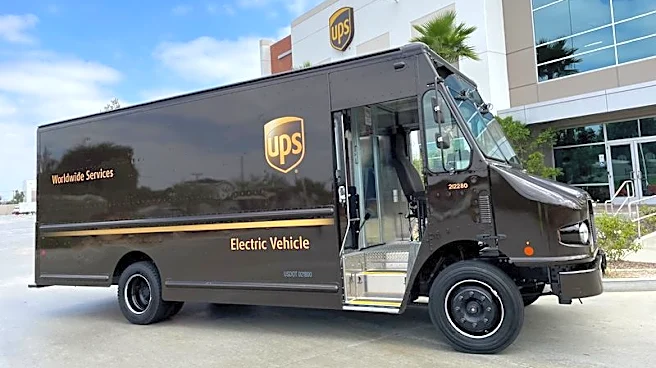
UPS has raised its full-year guidance, indicating strong performance and expectations for the upcoming holiday season. The company's Q3 2026 results exceeded Wall Street's revenue and adjusted earnings per share estimates. This positive performance is attributed
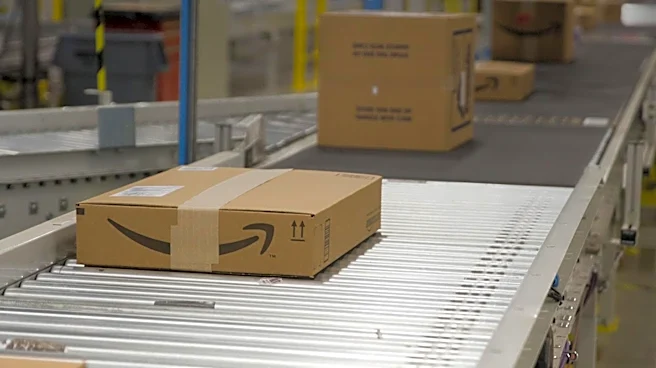
to growth in premium segments, particularly within U.S. domestic operations and international trade lanes. UPS CEO Carol Tomé highlighted that strategic investments in automation, customer mix improvements, and higher-value services are driving a positive spread between revenue per piece and cost per piece. The company is also experiencing robust momentum among small- and medium-sized business customers, with average daily volume from this group increasing year-over-year. UPS is deliberately shifting away from lower-margin Amazon volume to prioritize revenue quality. Tomé also identified the AI data center boom as a significant, decades-long opportunity, projecting a $15 billion annual revenue potential for the company by handling fewer, but more premium, shipments.
Why It's Important?
UPS's decision to raise its sales outlook and prioritize premium, higher-margin shipments over sheer parcel volume signifies a strategic reorientation that could have broad implications for the U.S. economy and the logistics sector. This move suggests confidence in the company's ability to command higher prices and maintain resilient demand, even amidst inflationary pressures. The focus on the data center boom underscores the increasing economic importance of technology infrastructure and the specialized logistics required to support it. This shift could lead to a more profitable and efficient UPS, but it also signals a potential change in the competitive landscape for high-volume, lower-margin parcel delivery, possibly impacting large e-commerce players. For small and medium-sized businesses, this strategy could mean access to more tailored and higher-quality shipping solutions, while also reflecting a broader trend of companies seeking to optimize their revenue streams.
What's Next?
UPS's strategy of prioritizing revenue quality and investing in automation is expected to continue driving incremental annual margin gains. The company's raised financial guidance suggests a positive outlook for the upcoming quarters, particularly through the holiday season. The long-term focus on the AI data center boom indicates a sustained effort to capitalize on emerging high-value market segments. This strategic direction will likely involve ongoing investments in technology and infrastructure to support specialized logistics needs. The deliberate reduction in lower-margin Amazon volume suggests that UPS will continue to refine its customer mix, focusing on partnerships that align with its profitability goals. This could lead to further adjustments in service offerings and pricing structures across different customer segments.
Beyond the Headlines
The strategic shift by UPS to prioritize revenue quality over volume, particularly by moving away from lower-margin Amazon shipments, highlights a significant power dynamic in the logistics industry. This move could empower other carriers to re-evaluate their relationships with large e-commerce platforms, potentially leading to a more diversified and competitive shipping market. The emphasis on the data center boom also points to the growing intersection of logistics and advanced technology, where specialized handling and rapid deployment are critical. This trend could foster innovation in logistics, driving the development of new services and technologies tailored to high-tech industries. Furthermore, the company's confidence in a resilient consumer environment, despite inflationary headwinds, offers a broader economic indicator, suggesting underlying strength in consumer spending and business activity in the U.S.