





What's Happening?
Kraft Heinz is actively pursuing restructuring initiatives to simplify operations, refine its product portfolio, and adapt to evolving consumer demands. The company, known for its extensive range of household brands, is facing significant pressure from
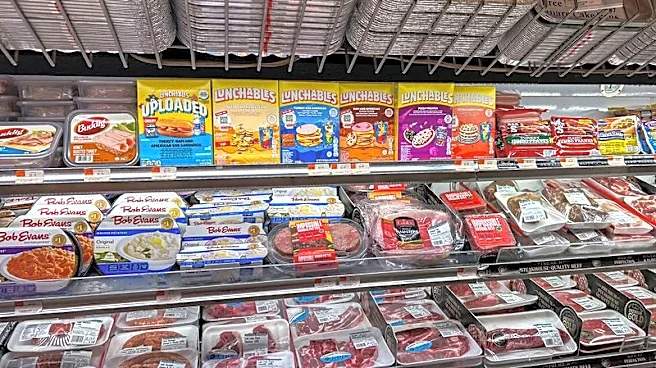
cost inflation, competition from private-label alternatives, and increasingly selective consumers. Shoppers are gravitating towards healthier options, fresh foods, and private-label products, leading to softer volumes in the packaged-food aisle. While Kraft Heinz has relied on price increases to maintain revenue, this approach has limitations as consumers become more price-sensitive. The company is investing in marketing, packaging updates, and product innovation, such as protein-packed mac and cheese, to remain relevant. These efforts are part of a broader strategy to concentrate on high-growth categories, streamline supply chains, and enhance accountability across business units.
Why It's Important?
This ongoing restructuring is critical for Kraft Heinz to navigate a challenging consumer landscape and improve its financial performance. The shift in consumer preferences towards healthier and private-label options directly impacts the core business of packaged foods, necessitating a strategic pivot. The company's ability to innovate and effectively market new products, like protein-enhanced offerings, will determine its success in capturing new market segments and retaining existing customers. Furthermore, managing cost inflation for ingredients, packaging, labor, and transportation is vital for protecting profit margins. The tension between spending on brand support and achieving cost savings is a central challenge. For the U.S. food industry, Kraft Heinz's efforts reflect a broader trend of adaptation to changing dietary habits and economic pressures, influencing how other major food manufacturers might respond.
What's Next?
In the coming weeks, the market will closely watch corporate updates from Kraft Heinz and other consumer companies, retailers, and food distributors for fresh insights into demand, pricing, and promotional activities. The upcoming earnings season for the packaged-food sector will provide crucial indicators on whether cost pressures are easing or intensifying. If Kraft Heinz demonstrates progress in its restructuring plans and shows positive trends in sales volumes, investor interest in the company could grow. Conversely, a lack of significant improvement could deepen doubts about its turnaround strategy. The company is expected to continue investing in product development and marketing to align with consumer trends, while also focusing on supply chain efficiency and cost management to enhance profitability.
Beyond the Headlines
The challenges faced by Kraft Heinz highlight a fundamental transformation in the consumer packaged goods (CPG) industry. The rise of health-conscious consumers and the increasing popularity of private-label brands are forcing established players to rethink their entire business models. This isn't just about product innovation; it's about a deeper cultural shift where consumers prioritize value, health, and transparency. Kraft Heinz's restructuring efforts, including potential considerations for separating operations into more focused entities, reflect a strategic imperative to become more agile and responsive. The long-term implications could include a more fragmented CPG market, increased M&A activity as companies shed non-core assets, and a greater emphasis on direct-to-consumer models to bypass traditional retail channels. The success of Kraft Heinz's reinvention could serve as a blueprint for other legacy food companies grappling with similar pressures.