







What's Happening?
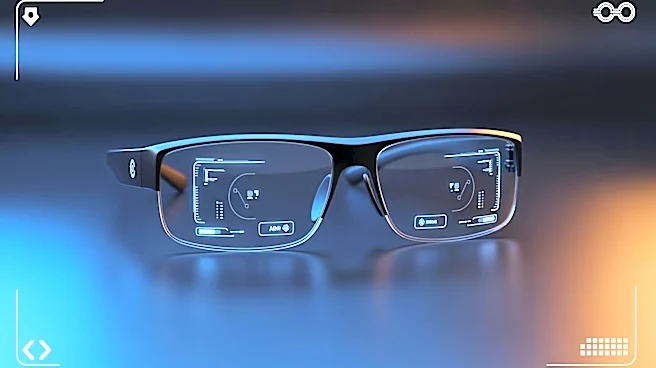
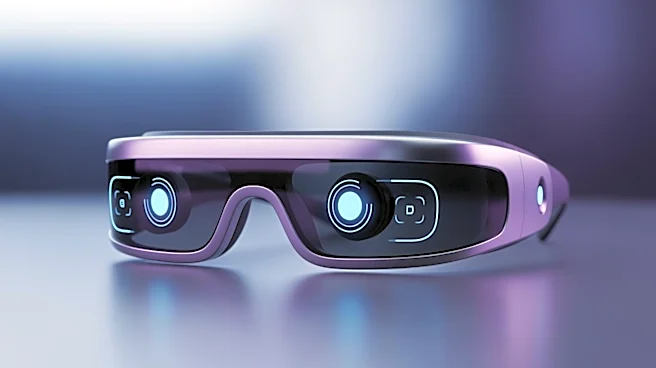
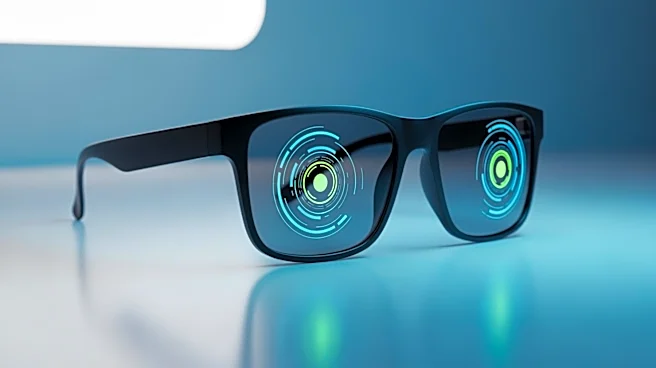
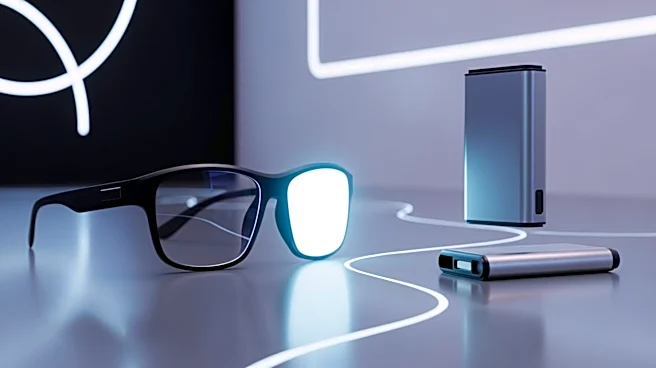
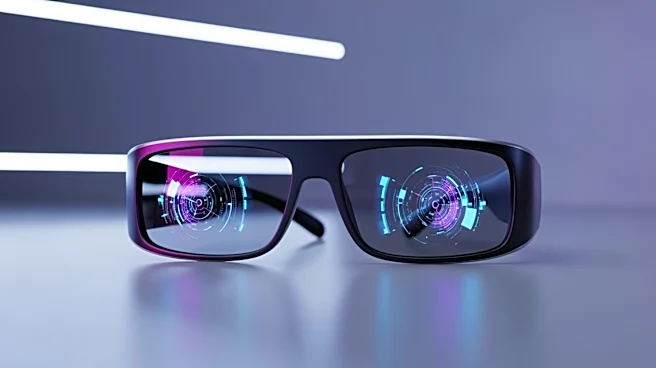
Snap Inc., the parent company of Snapchat, has announced the release of its new augmented reality (AR) smart glasses, named Specs. This launch comes a decade after the company's initial attempt at smart glasses, which resulted in significant financial
losses. The new Specs glasses are priced at $2,195 in the U.S. and are set to ship this autumn. These glasses allow users to view digital elements overlaid onto the real world. Snap's CEO, Evan Spiegel, described the product as marking the 'beginning of a new era in computing.' Despite the innovative technology, smart glasses have faced criticism for privacy issues, particularly concerning unauthorized filming in public spaces. Snap has addressed these concerns by incorporating a built-in light that indicates when the device is recording, and providing users with control over data storage and sharing. The announcement was made at the Augmented World Expo conference in California, following which Snap Inc.'s shares fell by approximately 9%.
Why It's Important?
The introduction of Snap's Specs smart glasses highlights the ongoing evolution and challenges in the wearable technology market. As companies like Snap, Apple, and Meta compete in this space, privacy concerns remain a significant hurdle. The ability of these devices to record and store data raises ethical questions about consent and surveillance. Snap's approach to addressing these issues by enhancing user control over data could set a precedent for future developments in AR technology. The market's reaction, as evidenced by the drop in Snap's share price, indicates investor skepticism about the commercial viability and public acceptance of such products. This development could influence the strategies of other tech companies in the AR and wearable tech sectors.
What's Next?
As Snap prepares to launch its Specs smart glasses, the company will likely focus on building consumer trust and addressing privacy concerns. The success of these glasses will depend on public perception and the effectiveness of Snap's privacy measures. Competitors like Apple and Meta will also be closely monitoring the market's response to adjust their strategies accordingly. Regulatory bodies may increase scrutiny on privacy practices related to wearable technology, potentially leading to new guidelines or regulations. The broader tech industry will be watching to see if Snap's approach to privacy and user control can effectively mitigate concerns and drive adoption of AR glasses.