


What's Happening?
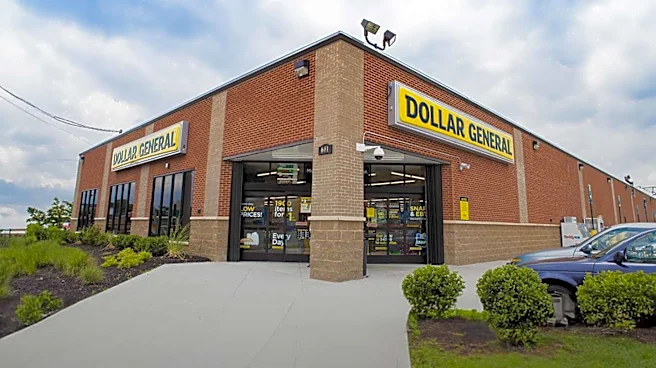
The Federal Trade Commission (FTC) and 30 U.S. states have filed a first amended complaint against Dollar General Corporation in the U.S. District Court for the Middle District of Tennessee. The lawsuit, filed on November 20, 2026, alleges that Dollar General stores
charged customers higher prices at the register than those advertised on shelves, price tags, and advertisements. This amended complaint adds ten more states to the original twenty that sued Dollar General in October 2026. The core of the complaint includes allegations of deception under Section 5(a) of the FTC Act and a violation of the Gramm-Leach-Bliley Act. Dollar General has stated its goal is 100% accuracy between shelf and register prices, acknowledging occasional discrepancies, and has committed to vigorously defending the litigation. As of November 21, 2026, there is no claim form or payout available for shoppers, as the case is still in its pleading stage and no rulings have been made on the allegations.
Why It's Important?
This lawsuit is significant for U.S. consumers and the retail industry as it addresses a widespread concern regarding pricing accuracy in retail stores. If the allegations are proven, it could lead to substantial financial remedies for consumers and potentially influence pricing practices across the retail sector. The case highlights the FTC's and state attorneys general's commitment to consumer protection, particularly against deceptive pricing. The legal arguments, especially concerning the FTC's authority to seek monetary relief under Section 19 of the FTC Act and the Gramm-Leach-Bliley Act, could set precedents for future consumer protection cases. For Dollar General, a negative outcome could result in significant financial penalties, mandated operational changes to ensure price accuracy, and reputational damage. The involvement of 30 states underscores the broad impact of such alleged practices on a large segment of the U.S. population, particularly those who rely on discount retailers.
What's Next?
The case will proceed through the U.S. District Court for the Middle District of Tennessee, where the court will consider the allegations and Dollar General's defense. A judgment or settlement, if reached, would determine whether and how money might be distributed to affected shoppers. The FTC's official refunds page will be the authoritative source for any future refund programs. Shoppers are advised to document any price discrepancies by photographing shelf tags and keeping receipts, and to report overcharges to official channels like the FTC or state attorneys general. The legal debate over the FTC's authority to secure monetary relief under Section 19 and the Gramm-Leach-Bliley Act will be a critical aspect of the proceedings, potentially shaping the scope of consumer redress in similar future cases. Consumers should remain vigilant against fraudulent claims for payment in exchange for refunds, as legitimate refund processes will be announced through official channels.
Beyond the Headlines
The lawsuit against Dollar General touches upon deeper issues of consumer trust and corporate responsibility in the retail sector. The alleged practice of charging more at the register than advertised on shelves, even if due to 'occasional discrepancies,' can erode consumer confidence, especially among vulnerable populations who frequent discount stores. The legal battle also highlights the evolving landscape of consumer protection law, particularly the FTC's powers to secure restitution for consumers following the Supreme Court's 2021 ruling in *AMG Capital Management, LLC v. FTC*. The case could prompt a broader reevaluation of pricing transparency mechanisms and enforcement across the retail industry, potentially leading to stricter regulations or increased scrutiny of pricing practices. Furthermore, the emphasis on documenting overcharges empowers individual consumers to play a more active role in holding retailers accountable, fostering a culture of vigilance and consumer advocacy.