




What's Happening?
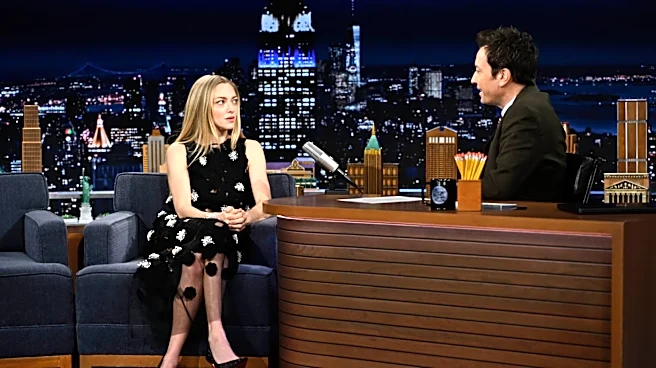
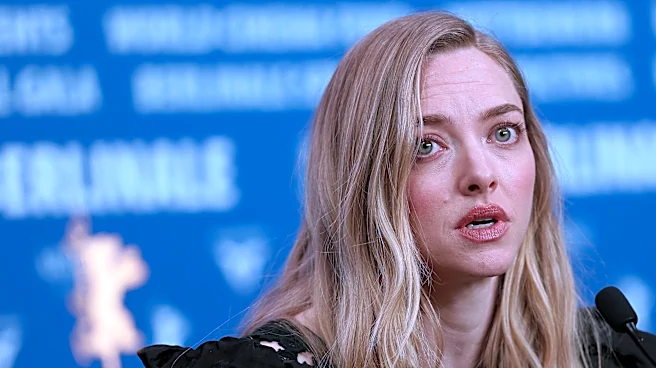
Actress Amanda Seyfried has revealed that Emma Stone played an unexpected role in connecting her with director Nathan Fielder for the upcoming A24 documentary, 'You Can See Everything'. Seyfried shared this behind-the-scenes detail during an appearance
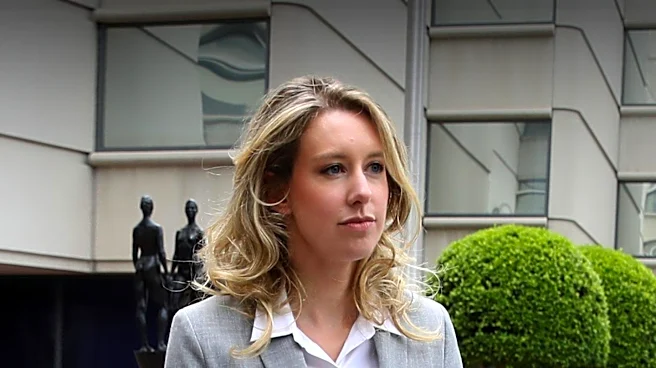
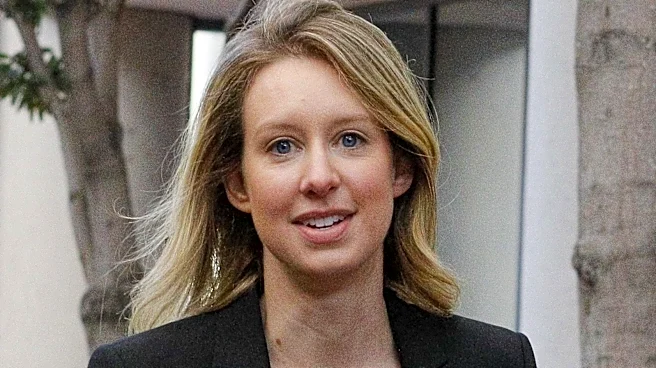
on 'The Tonight Show Starring Jimmy Fallon'. Fielder initially contacted Seyfried to discuss her experience portraying Elizabeth Holmes in the series 'The Dropout'. This conversation organically evolved into Seyfried's involvement in the new documentary, which also has connections to the controversial entrepreneur. Seyfried described the production process as unusual, noting that she could only view documentary footage while on set and required five-factor authentication to access the script the night before filming. Stone, who had previously collaborated with Fielder on 'The Curse' and is a friend of Seyfried's, helped bridge the connection between the two, earning a special thanks in the documentary's credits.
Why It's Important?
This development highlights the interconnectedness within the entertainment industry and how personal and professional relationships can influence project collaborations. Emma Stone's role as a connector underscores the informal networks that often facilitate significant creative partnerships, even for high-profile projects like an A24 documentary. For Amanda Seyfried, her participation in 'You Can See Everything' marks another significant role, following her acclaimed performance as Elizabeth Holmes, further diversifying her portfolio. The unusual production restrictions mentioned by Seyfried also shed light on the evolving methods and security protocols in documentary filmmaking, particularly when dealing with sensitive or high-profile subjects. This could set precedents for how future documentaries manage access to content and scripts, potentially influencing industry standards for confidentiality and creative control.
What's Next?
The upcoming release of the A24 documentary 'You Can See Everything' will reveal the full scope of Amanda Seyfried's involvement and the project's narrative. The film's reception will likely be influenced by the unique behind-the-scenes story of how Seyfried became involved, potentially drawing more attention to the collaboration between Seyfried and Nathan Fielder. Industry observers will be keen to see how the documentary handles its subject matter, especially given its connection to Elizabeth Holmes, and whether the unconventional production methods contribute to its artistic or critical success. The special thanks to Emma Stone in the credits may also spark further interest in her collaborative history with Nathan Fielder and her influence within the filmmaking community.
Beyond the Headlines
The story subtly illustrates the power of professional networking and personal endorsements in Hollywood. Emma Stone's casual yet impactful role in connecting Seyfried and Fielder demonstrates that even established stars rely on trusted relationships to navigate new opportunities. This dynamic can foster a sense of community within the industry but also raises questions about access and opportunity for those outside these established circles. Furthermore, the stringent security measures for script and footage access in 'You Can See Everything' could reflect a broader trend towards increased control over narrative and information in documentary filmmaking, possibly in response to leaks or unauthorized disclosures. This could have long-term implications for journalistic integrity and creative freedom in documentary production, balancing the need for security with transparency.