
What's Happening?
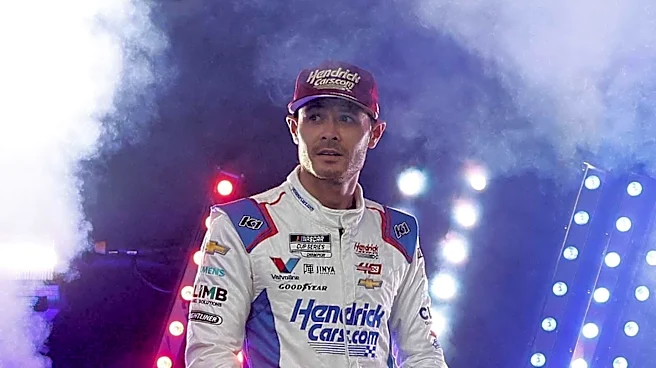
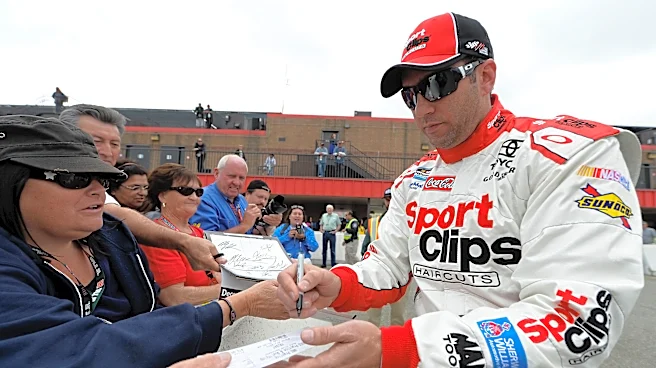
NASCAR has completed its second season of the Driver Ambassador Program, an initiative designed to incentivize drivers to promote the sport through media appearances and public engagements beyond their racing commitments. Drivers can earn up to $2 million
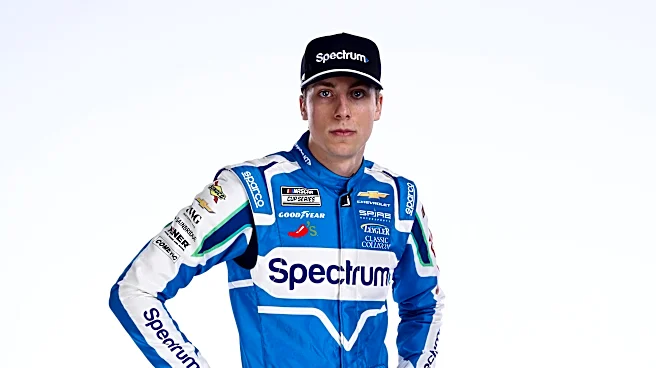
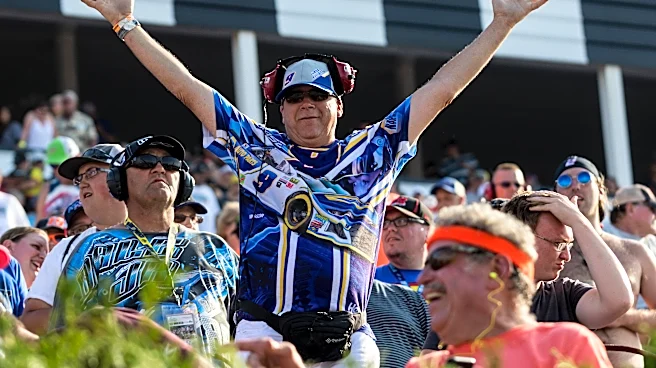
annually through this program. Ross Chastain led the first half of the 2026 competition, while Spire's Daniel Suárez led the second half. This program is part of NASCAR's broader strategy to address declining television audiences and a growing number of fans who do not identify with a particular driver. The 2026 Cup Series season saw a 2% decline in average viewership, and a September SRSS poll indicated that 64% of NASCAR fans did not have a favorite driver, the highest reading in over 25 years. NASCAR plans to expand these opportunities in 2027, aiming to place drivers on larger platforms and in markets with limited connections to race weekends.
Why It's Important?
This initiative is crucial for NASCAR as it grapples with the challenge of maintaining and growing its fanbase in a competitive entertainment landscape. The sport has seen a significant number of established personalities retire between 2015 and 2020, including Jeff Gordon and Dale Earnhardt Jr., leaving a void in recognizable figures. The Driver Ambassador Program seeks to cultivate new star power by rewarding drivers for their off-track engagement, hoping to create deeper connections with casual viewers. The success of drivers like Carson Hocevar, whose merchandise sales surged after his first Cup Series victory and who received a Met Gala invitation, demonstrates that new personalities can generate significant commercial interest and extend NASCAR's reach beyond its traditional audience. This strategy aims to shift focus from solely on-track performance to a more holistic approach that values driver personalities and their ability to connect with fans.
What's Next?
NASCAR intends to expand the Driver Ambassador Program in 2027, seeking to place drivers on more prominent platforms and introduce them to new markets. This expansion is critical for the sport's long-term viability, especially as it continues to face the challenge of replacing generational talents who have retired. The emergence of new drivers like Connor Zilisch, Corey Heim, and Corey Day, alongside figures like Garrett Mitchell (Cleetus McFarland) with a large online following, suggests potential avenues for attracting new audiences. Additionally, the upcoming Tom Cruise-led sequel to 'Days of Thunder' in 2028 presents another opportunity to bring NASCAR into mainstream attention. The focus will be on whether these efforts can translate individual moments of commercial success and media attention into sustained fan engagement and a reversal of declining viewership trends.
Beyond the Headlines
The Driver Ambassador Program highlights a significant shift in how professional sports leagues are approaching fan engagement and athlete branding. In an era where attention is fragmented and competition for viewership is intense, simply winning races is no longer sufficient to build lasting fandom. NASCAR's strategy acknowledges the importance of driver personalities, stories, and their ability to connect with audiences beyond the track. This move reflects a broader trend in sports and entertainment where athletes are increasingly expected to be public figures and brand ambassadors. The challenge lies in authentically cultivating these connections without over-commercializing the sport or diluting the core racing experience. The success of this program could serve as a model for other sports facing similar challenges in building and maintaining a dedicated fanbase in the modern media landscape.