








What's Happening?
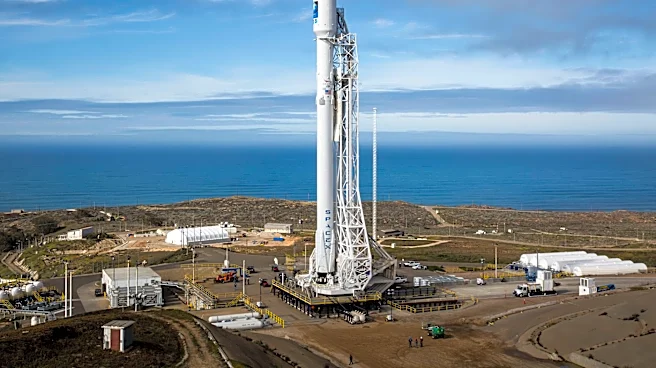
Tokyo-based company ispace has announced a significant collaboration with SpaceX, booking 1,100 pounds of cargo space on SpaceX's Starship for a moon mission. This mission, which could launch as early as 2030, is valued at $50 million. The Starship, known
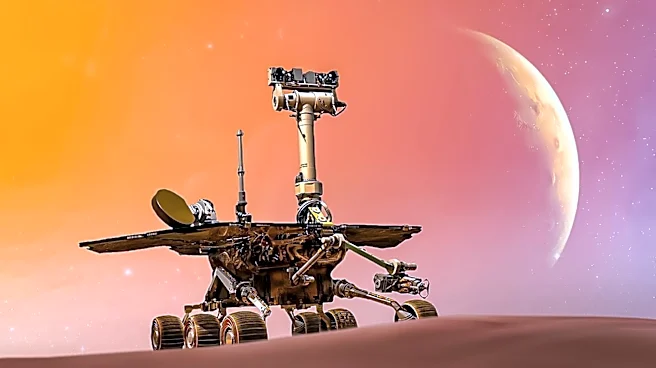
for its super-heavy-lift capabilities, is designed for full reusability and can launch up to 150 tons to low Earth orbit. ispace plans to use the Starship to transport its new Mobile Cargo System (MCS), a flat rover capable of carrying up to 1,100 pounds across the lunar surface. This partnership marks a step towards ispace's goal of creating a sustainable lunar economy. The timeline for the mission depends on SpaceX's progress in making Starship operational, as it has only completed suborbital test flights so far.
Why It's Important?
The collaboration between SpaceX and ispace highlights the growing interest and investment in lunar exploration and infrastructure. By utilizing SpaceX's Starship, ispace aims to reduce the cost and increase the capacity of lunar transport, which is crucial for developing a sustainable lunar economy. This mission could accelerate the deployment of lunar infrastructure, such as power, communications, and mobility systems, potentially leading to a rapid expansion in lunar exploration and business opportunities. The success of this mission could position ispace as a key player in the emerging lunar market, influencing future collaborations and investments in space exploration.
What's Next?
The mission is scheduled for no earlier than 2030, contingent on SpaceX's ability to advance Starship to an operational status. As SpaceX continues to develop Starship, ispace may become a regular customer, using the vehicle for future lunar missions. The success of this mission could pave the way for more companies to engage in lunar exploration, potentially leading to a competitive market for lunar transport services. Additionally, the development of lunar infrastructure could attract more stakeholders, including governments and private enterprises, to invest in space exploration.