







What's Happening?
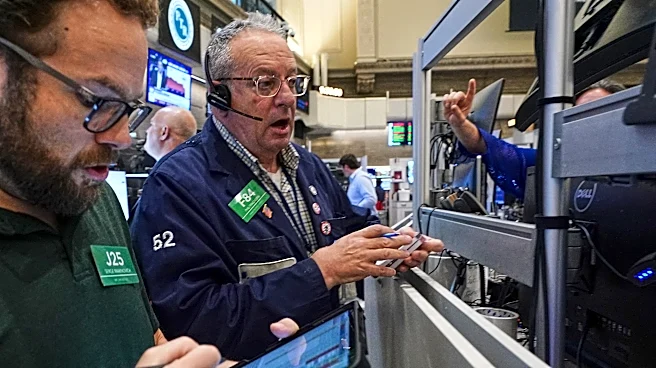
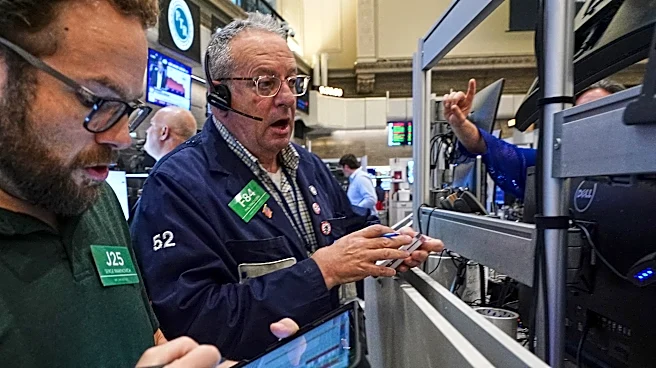
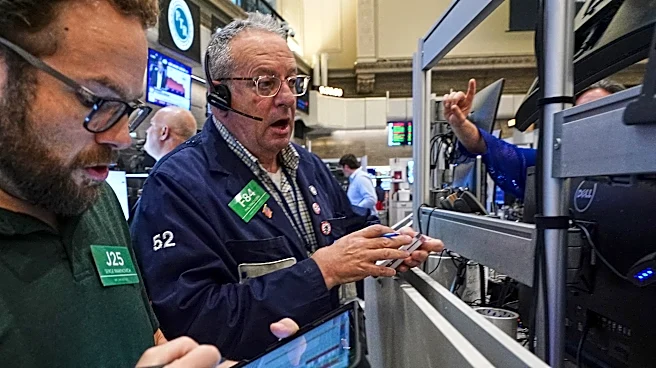
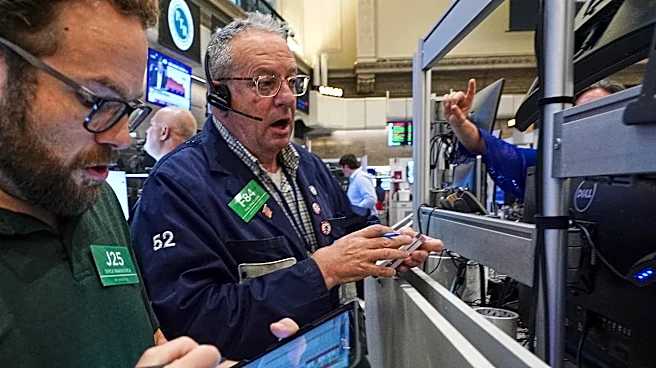
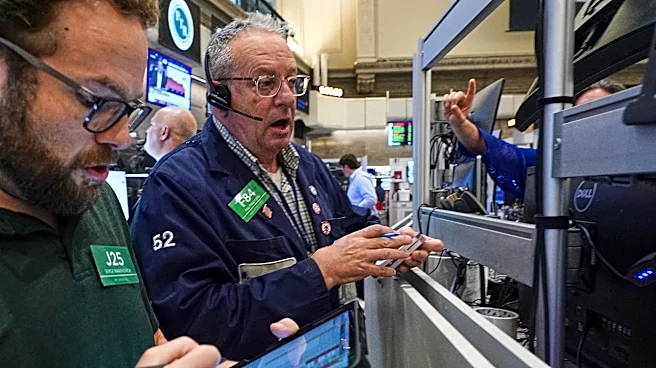
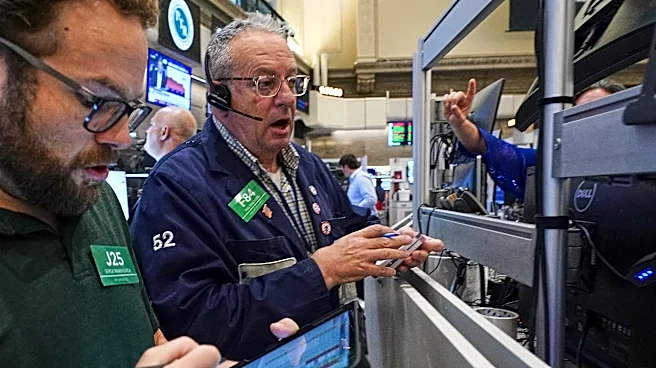
US stock markets experienced a decline as President Trump announced the end of the ceasefire with Iran, leading to a surge in oil prices. The Dow Jones fell by 1.09%, or 500 points, while the S&P 500 saw a slight loss, and the Nasdaq rose marginally.
The Federal Reserve's recent meeting minutes indicated concerns over inflation, suggesting potential interest rate hikes to address rising prices. The economic impacts of the Iran conflict and AI-related demand have contributed to inflationary pressures, complicating the Fed's policy decisions. The International Monetary Fund has also lowered its global economic growth forecast, citing Middle East tensions and AI spending.
Why It's Important?
The stock market's reaction underscores the sensitivity of financial markets to geopolitical developments and monetary policy signals. Rising oil prices and potential interest rate hikes can increase costs for businesses and consumers, affecting economic growth. The Federal Reserve's stance on interest rates is crucial for market stability, as it influences investment decisions and economic confidence. The ongoing conflict with Iran and its impact on energy prices add to the complexity of the Fed's policy considerations, highlighting the interconnectedness of global events and domestic economic conditions.
What's Next?
The Federal Reserve will continue to monitor inflation and geopolitical developments to guide its monetary policy. The potential for interest rate hikes remains, depending on how inflation and economic conditions evolve. Market participants will closely watch the Fed's communications for any changes in policy direction. The resolution of the Iran conflict and its impact on energy prices will also be critical factors in shaping economic and market outcomes. Businesses and investors will need to navigate these uncertainties as they plan for the future.