






What's Happening?
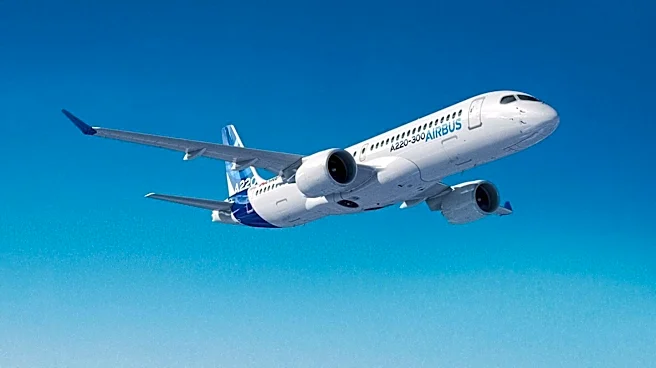
Air Canada is set to implement a consistent schedule utilizing Airbus A220-300 aircraft for all four daily flights between Vancouver International Airport and Los Angeles International Airport. This change is tentatively planned for the spring 2027 travel
period, specifically from March 1 through April 30, 2027. The airline's schedule includes four daily departures in each direction, covering morning, midday, afternoon, and evening slots. This adjustment aims to standardize the aircraft type for this significant North American West Coast route, connecting British Columbia and Southern California. While the aircraft allocation is planned, Air Canada notes that schedules are subject to operational changes based on fleet availability, demand, and other planning considerations. Travelers are advised to confirm flight details closer to their departure dates.
Why It's Important?
This standardization of aircraft on the Vancouver-Los Angeles route is important for several reasons. For travelers, it provides a consistent expectation regarding the type of aircraft they will be flying on, which can influence comfort and amenities. The Airbus A220-300 is a modern aircraft, and its consistent deployment could enhance the passenger experience on this busy international corridor. For Air Canada, standardizing the fleet on a specific route can lead to operational efficiencies in terms of maintenance, crew training, and spare parts management. The Vancouver-Los Angeles route is a key link for business travelers, leisure passengers, and those connecting through either airport, highlighting the economic and social ties between Canada and the U.S. While the change primarily concerns aircraft type, it underscores the airline's strategic planning for a crucial cross-border route.
What's Next?
Travelers planning journeys between Vancouver and Los Angeles for spring 2027 should monitor Air Canada's official booking information for the most up-to-date details. While the Airbus A220-300 is tentatively scheduled, airline operations can be revised due to various factors. Passengers should confirm their flight details, including aircraft type, closer to their travel dates, especially if they have specific seating preferences or accessibility requirements. The airline's decision to standardize the aircraft type for this period suggests a long-term strategy for fleet deployment on key routes. Future developments may include further announcements regarding onboard services, fare structures, or additional route adjustments, though these are not directly linked to the current aircraft allocation.
Beyond the Headlines
The decision to standardize aircraft on a major international route like Vancouver-Los Angeles reflects broader trends in the aviation industry, where airlines are increasingly optimizing their fleets for efficiency and passenger experience. The Airbus A220-300, known for its fuel efficiency and passenger comfort, aligns with modern airline strategies to reduce operational costs and environmental impact while meeting traveler expectations. This move could also signal Air Canada's confidence in the sustained demand for travel between these two significant North American cities. The consistent use of a specific aircraft type can also contribute to brand consistency and passenger loyalty, as travelers become familiar with the amenities and layout of the aircraft. This strategic fleet management on a cross-border route highlights the intricate planning involved in international air travel and its impact on both operational logistics and passenger perceptions.