









What's Happening?
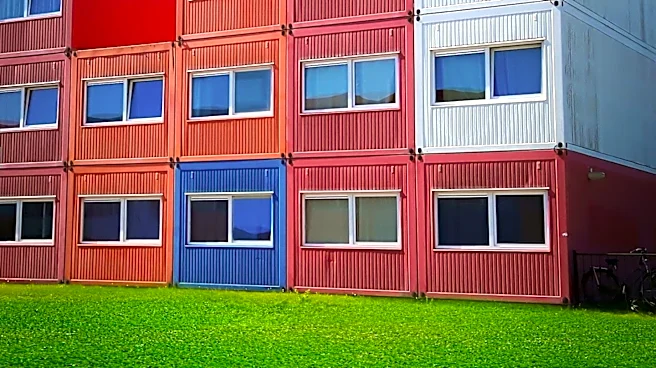
JPMorganChase has released a study through its PolicyCenter suggesting that innovative construction methods, such as modular and panelized building, could significantly reduce the cost of new homes by 20% to 30%. These methods also promise to cut construction time
by 30% to 50%, potentially easing the financial burden on homebuyers in a market where construction costs account for nearly two-thirds of a new home's price. The study highlights the potential of these techniques to address the affordability crisis by reducing the time and cost associated with traditional construction methods. Despite the promise, only 5% of new U.S. constructions in 2024 utilized modular techniques, although this sector is growing faster than the overall construction industry.
Why It's Important?
The adoption of modular construction techniques could have a profound impact on the U.S. housing market, particularly in making homes more affordable. By reducing construction costs and time, these methods could help alleviate the housing affordability crisis that has priced many potential buyers out of the market. JPMorganChase's involvement, including $52 billion in financing for affordable housing, underscores the financial sector's role in driving innovation in housing. However, regulatory hurdles, such as varying land use and zoning laws, remain significant barriers to widespread adoption. Aligning these regulations could facilitate broader use of modular construction, potentially transforming the housing landscape.
What's Next?
For modular construction to gain traction, changes in regulatory frameworks are necessary. JPMorganChase suggests aligning land use codes and permitting processes to allow for regional standardization of building practices. Additionally, training for inspectors and builders is crucial to support the industry's growth. Some states, like Virginia, Maine, and Maryland, have already begun to relax rules around manufactured housing, setting a precedent for others. The Department of Housing and Urban Development's proposed rule changes could further support this shift by easing restrictions on multistory manufactured homes. These developments could pave the way for more widespread adoption of modular construction techniques.
Beyond the Headlines
The shift towards modular construction could also have cultural and environmental implications. As these techniques become more prevalent, they may help reduce the environmental impact of traditional construction methods, which are often resource-intensive. Moreover, the increased use of modular housing could challenge existing stigmas associated with manufactured homes, promoting a broader acceptance of diverse housing types. This evolution in construction practices could also stimulate job creation in new sectors, as demand for skilled labor in modular construction grows.