



What's Happening?
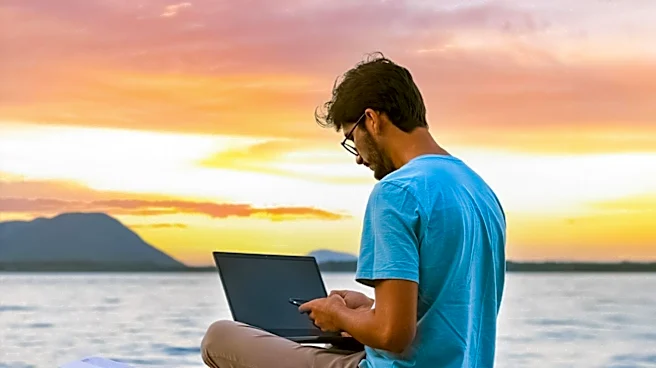
Albania is rapidly gaining recognition as a favorable destination for digital nomads, offering a unique permit for remote workers and extended visa-free stays for certain nationalities. U.S. citizens can stay for up to one year without a visa, while most
other visa-exempt nationalities are granted 90 days within a 180-day period. The country is not part of the Schengen Area, meaning time spent there does not count against Schengen visa limits, making it an attractive option for those seeking a 'Schengen break.' The 'Unique Permit for digital mobile workers,' introduced with the 2021 law on foreigners, allows remote workers to reside in Albania while working for foreign employers or clients. This permit requires an online application through the e-Albania portal, necessitating proof of foreign employment or service contracts, accommodation in Albania, valid health insurance, and a clean criminal record. Tirana, the capital, is highlighted as a central hub for digital nomads, featuring a growing coworking scene and a vibrant community.
Why It's Important?
The rise of Albania as a digital nomad hotspot signifies a broader trend in global remote work, offering new opportunities for U.S. professionals seeking international living and working experiences. The extended visa-free period for U.S. citizens and the dedicated digital nomad permit streamline the process for remote workers, potentially attracting a significant influx of American talent. This trend can lead to increased cultural exchange and economic contributions to Albania, while also providing U.S. citizens with cost-effective living options compared to many Western countries. However, it also underscores the importance of understanding local regulations, such as potential tax residency after 183 days, and the necessity of comprehensive health insurance, as the public healthcare system is basic and private clinics require upfront payment. The growing community in Tirana suggests a developing ecosystem that supports remote work, which could influence other countries to adopt similar policies to attract digital nomads.
What's Next?
As Albania continues to attract digital nomads, further development of infrastructure and services catering to this demographic is anticipated. The government may refine the 'Unique Permit' process, potentially clarifying income thresholds and fees, which currently vary. The increasing popularity could also lead to a rise in the cost of living, particularly in popular areas like Tirana and the Riviera, as the lek has already strengthened and tourism has boosted rents. Digital nomads considering Albania should monitor updates on visa requirements, tax implications, and the cost of living. The growth of coworking spaces and community events in Tirana is likely to continue, fostering a more robust support system for remote workers. Additionally, other countries may observe Albania's success and implement similar policies to compete for the growing digital nomad market.
Beyond the Headlines
The emergence of Albania as a digital nomad destination reflects a global shift in work culture, where geographical boundaries are becoming less restrictive for professionals. This phenomenon raises deeper questions about the long-term impact on local economies and cultures. While digital nomads bring economic benefits, there are also concerns about gentrification and the potential strain on local resources. The emphasis on health insurance highlights the critical need for adequate healthcare planning for remote workers abroad, especially in countries where public systems may be insufficient. Furthermore, the cultural nuances, such as the Albanian custom of nodding for 'no' and shaking the head for 'yes,' underscore the importance of cultural immersion and understanding for successful integration into a new environment. This trend also challenges traditional notions of residency and citizenship, as individuals increasingly live and work across multiple nations, prompting governments to adapt their legal and social frameworks.