





What's Happening?
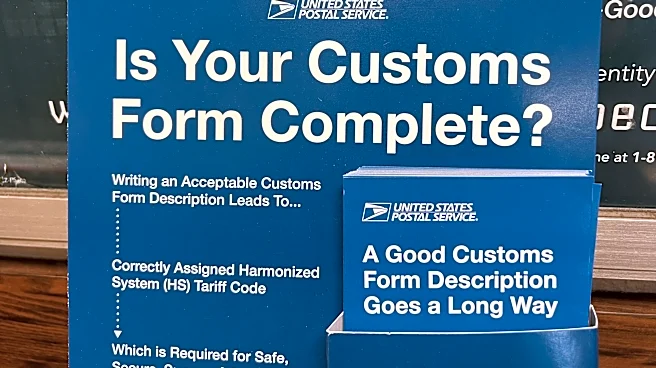
U.S. Customs charges tariffs, also known as import duties, on goods entering the country. These taxes are determined by the product's Harmonized Tariff Schedule (HTS) code, a 10-digit number that classifies products. The HTS code dictates the duty rate,
which can be an ad valorem duty (a percentage of the customs value), a specific duty (a rate per unit), or a compound duty (a combination of both). The customs value in the U.S. is typically the price paid to the supplier, excluding international freight and insurance. In addition to the duty, imports are subject to a Merchandise Processing Fee (MPF) of 0.3464% of the customs value, with a minimum of $34.58 and a maximum of $670.86 for formal entries. Ocean shipments also incur a Harbor Maintenance Fee (HMF) of 0.125%. For example, $10,000 worth of men's cotton T-shirts (HTS 6109.10.00.12) with a 16.5% duty rate would owe $1,650 in duty, plus MPF and HMF, totaling approximately $1,697.14.
Why It's Important?
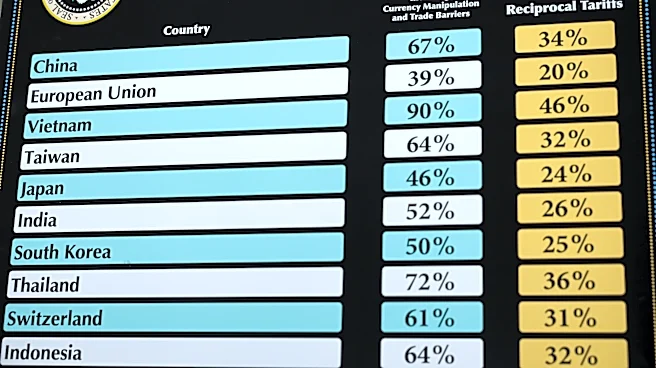
Understanding U.S. import duties and associated fees is crucial for businesses involved in international trade, as these costs directly impact product margins and overall profitability. Tariffs are a significant component of a product's landed cost, and miscalculating them can lead to unexpected expenses and reduced competitiveness. The complexity of HTS codes and varying duty rates, along with additional fees like MPF and HMF, necessitates careful classification and calculation. Furthermore, extra tariffs, such as Section 301 tariffs on goods from China or Section 232 tariffs on steel and aluminum, can significantly increase the total duty bill. Conversely, goods qualifying under trade agreements like USMCA may benefit from lower or even free special rates, often exempting them from MPF, which can provide a competitive advantage.
What's Next?
Importers must continuously monitor changes in tariff rates, HTS codes, and trade agreements to ensure compliance and optimize costs. The U.S. International Trade Commission's live schedule provides current duty rates, and businesses can utilize tariff calculators and HTS code lookup tools to estimate import costs accurately. For complex classifications, consulting a licensed customs broker or requesting a binding ruling from Customs and Border Protection (CBP) is advisable. The ongoing evolution of trade policies, including potential changes to existing tariffs or the introduction of new ones, requires businesses to remain agile and adapt their sourcing and pricing strategies. The suspension of U.S. de minimis entry for commercial goods from every country means even small parcels now owe duty, impacting small businesses and e-commerce operations.
Beyond the Headlines
The system of tariffs and HTS codes reflects a broader economic and political strategy aimed at regulating trade, protecting domestic industries, and generating revenue. Beyond the direct financial impact, tariffs can influence global supply chains, encouraging or discouraging imports from certain countries. The detailed classification system, while complex, aims to provide transparency and consistency in trade regulations. However, the frequent changes in tariff policies, such as those seen with Section 301 and Section 232 tariffs, introduce uncertainty and can lead to significant disruptions for businesses. This highlights the intricate balance between national economic interests, international trade relations, and the practical realities faced by importers and consumers. The ongoing debate about the effectiveness and fairness of tariffs underscores their role as a powerful, yet often contentious, tool in international commerce.