





What's Happening?
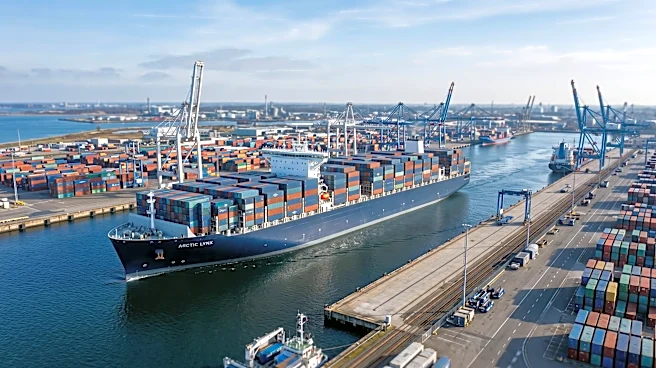
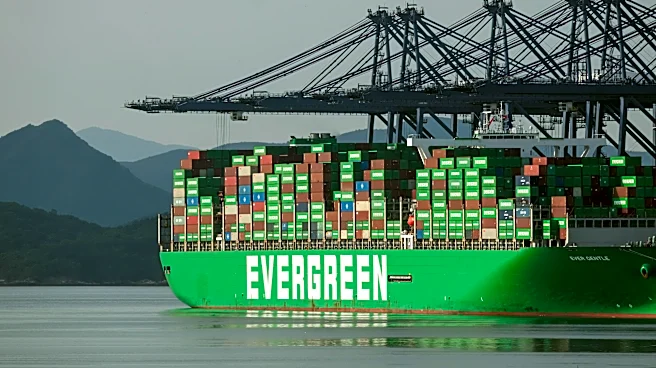
The 10th anniversary of Hong Kong Maritime Week (HKMW), held from November 15 to 21, concluded with significant announcements and discussions focused on the global maritime industry's future. Over 18,000 policymakers, industry leaders, and experts from around
the world participated in more than 60 online and offline events. Key topics included the green transition, high-value-added services, smart port development, and international cooperation. John Lee, Chief Executive of the Hong Kong Special Administrative Region (HKSAR), highlighted Hong Kong's role as a 'safe harbor' under the 'one country, two systems' principle amidst geopolitical shifts and supply chain fragmentation. A major outcome was the formation of a Task Group on the Development of the Green Maritime Fuel Trading Platform, aimed at advising on strategic direction and infrastructure. Additionally, several Memoranda of Understanding (MOUs) were signed, including agreements with Hainan Yangpu Port, Zhanjiang (Guangdong) for a Green Energy Corridor, and the Port of Piraeus in Greece for a Green Shipping Corridor. The first protection and indemnity insurance policy of the Hong Kong Shipowners Mutual Assurance Association was also officially issued.
Why It's Important?
These developments underscore Hong Kong's strategic efforts to maintain and enhance its position as a global maritime hub and a 'super connector' between mainland China and international markets. The focus on green transition, particularly the establishment of a green maritime fuel trading platform and green shipping corridors, is crucial for addressing climate change concerns within the shipping industry. This initiative could set a precedent for sustainable maritime practices globally and attract investments in green technologies. The MOUs with various ports strengthen Hong Kong's logistics network and foster international collaboration, potentially leading to increased trade efficiencies and economic growth. For the U.S., these advancements in green maritime infrastructure and trade connectivity in Asia could influence global supply chains, shipping costs, and the adoption of sustainable practices by international shipping companies that operate in or through U.S. ports. The emphasis on data-driven trade finance and AI in maritime operations also signals a move towards greater transparency and efficiency, which could impact global trade standards.
What's Next?
The newly formed Task Group on the Development of the Green Maritime Fuel Trading Platform will proceed with advising on strategic direction, infrastructure setup, and market-tailored operating rules, which could lead to concrete proposals for implementation. The signed MOUs are expected to translate into tangible cooperation projects, such as the establishment of the Green Energy Corridor with Zhanjiang and the Green Shipping Corridor with the Port of Piraeus. These initiatives will likely involve further detailed planning and investment in infrastructure. Hong Kong will continue to leverage its Port Community System (PCS) to enhance data sharing and facilitate trade finance, with Project CargoX, led by the Hong Kong Monetary Authority, continuing its testing phase with 21 banks. The ongoing integration of AI and data solutions in maritime logistics will likely see further adoption and development. Stakeholders, including international shipping companies, environmental organizations, and technology providers, will be closely watching these developments for opportunities and implications for their operations and strategies.
Beyond the Headlines
The emphasis on Hong Kong as a 'safe harbor' under 'one country, two systems' carries broader geopolitical implications, signaling stability and reliability in a complex global environment. This positioning aims to reassure international businesses and investors about Hong Kong's enduring role as a gateway to China. The push for green maritime fuels and corridors reflects a global shift towards decarbonization, which could lead to significant technological innovations and new market opportunities in sustainable shipping. This also highlights the increasing pressure on industries to adopt environmentally friendly practices, potentially influencing regulatory frameworks and investment decisions worldwide. The integration of AI and data in maritime trade, while enhancing efficiency, also raises questions about data security, privacy, and the potential for technological disparities among global ports. Hong Kong's proactive stance in these areas could shape future international standards and best practices for smart ports and green logistics, impacting how global trade is conducted in the long term.