





What's Happening?
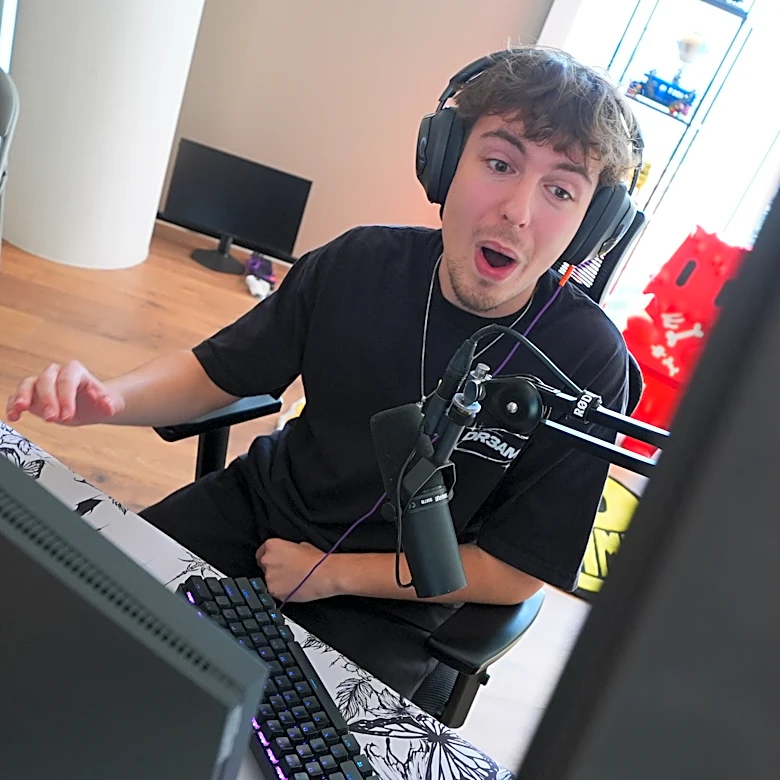
The creator of the viral AI-generated game 'Fallout: New York,' known as CHRIS FIRST, has taken the game offline after receiving a cease and desist order from Bethesda's parent company, ZeniMax Media Inc. The game, which was built using Claude Opus 5.5
and playable in a browser, featured quests, dialogue trees, V.A.T.S. combat, and a working Pip-Boy, with all its visual and audio elements generated by AI code. The game gained significant attention on X/Twitter, sparking debate about the use of AI in game development and intellectual property rights. CHRIS FIRST had previously expressed hope that Bethesda would not intervene, stating the project was a free 'tech demo' and not monetized.
Why It's Important?
This incident highlights the growing tension between intellectual property holders and creators utilizing advanced AI tools to generate content based on existing franchises. The rapid development of AI capable of replicating complex game mechanics and aesthetics raises significant legal and ethical questions regarding copyright and trademark infringement. For the gaming industry, this case could set a precedent for how companies protect their intellectual property against AI-generated derivatives, potentially influencing future policies on fan-made content and AI development. It also underscores the challenges faced by creators who, even without commercial intent, may inadvertently infringe on established copyrights, leading to legal action and the removal of their projects.
What's Next?
While 'Fallout: New York' has been removed, the broader debate surrounding AI-generated content and intellectual property rights is expected to intensify. Publishers like Bethesda will likely continue to monitor and take action against projects that infringe on their copyrights. This event may prompt further discussions within the legal and tech communities about establishing clearer guidelines or regulations for AI-generated works, especially concerning their relationship with existing intellectual property. The incident also serves as a cautionary tale for other AI creative developers, emphasizing the need to consider IP implications before developing and distributing content based on popular franchises.
Beyond the Headlines
The 'Fallout: New York' situation delves into the evolving landscape of creativity and ownership in the age of artificial intelligence. It raises fundamental questions about what constitutes original work when AI generates content based on vast datasets, often including copyrighted material. The debate extends beyond mere legal infringement to the philosophical implications of AI's role in artistic creation and the value placed on human ingenuity versus algorithmic generation. This case could contribute to a re-evaluation of copyright law to accommodate AI's capabilities, potentially leading to new frameworks that balance innovation with the protection of creators' rights. It also highlights the public's mixed reactions to AI-generated content, ranging from awe at technological advancement to criticism of perceived lack of originality or 'AI slop.'