


What's Happening?
A growing movement of traditional healers in Oakland is providing culturally rooted forms of healing, addressing emotional and collective wounds within the community. Establishments like Freedom Community Clinic, Casa Hechizos, Queen Hippie Gypsy, and East
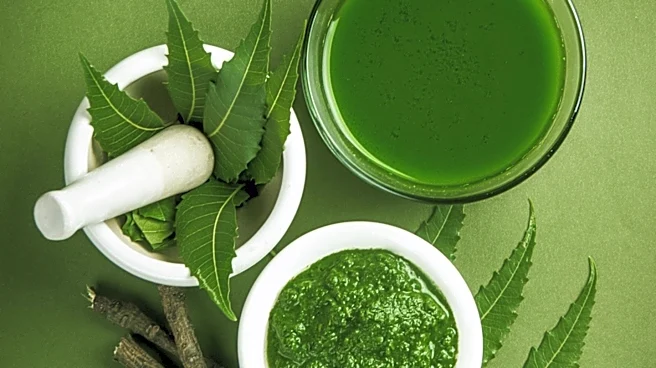
Bay Ayurvedic have emerged over the past decade, offering diverse modalities such as acupuncture, massage therapy, herbalism, spiritual counseling, Santería practices, crystal healing, and Ayurvedic treatments. These centers aim to make holistic care accessible, particularly to Black, brown, immigrant, and indigenous populations, who have historically been cut off from such services due to systemic barriers. Many of these practitioners emphasize reconnecting individuals to their lineages and providing tools for self-healing and community well-being. The services often include free or low-cost options, supported by grants, donations, and community partnerships, ensuring that health and healing are treated as fundamental rights.
Why It's Important?
This rise in traditional healing practices in Oakland signifies a broader societal shift towards recognizing and valuing diverse approaches to health and wellness beyond conventional Western medicine. It addresses critical gaps in mental and emotional healthcare access, particularly for marginalized communities who may find more resonance and trust in culturally aligned healing methods. By offering services rooted in ancestral knowledge, these centers help preserve cultural heritage and empower communities to reclaim their healing traditions. The movement also highlights the limitations of the existing healthcare system in addressing holistic well-being and collective trauma, prompting a re-evaluation of what constitutes comprehensive care. This trend could influence public health discussions and policy, advocating for the integration of traditional healing into broader wellness frameworks and promoting health equity.
What's Next?
The continued growth of these healing centers suggests a sustained demand for alternative and culturally sensitive healthcare options in Oakland and potentially other urban areas. Future developments may include increased collaboration among practitioners, expansion of services, and greater community outreach to educate the public about the benefits of traditional healing. There could also be a push for more formal recognition and funding for these practices, potentially leading to partnerships with public health initiatives or insurance providers. As these movements gain traction, they may inspire similar initiatives in other cities, fostering a national dialogue on integrative medicine and health equity. The focus will likely remain on accessibility, affordability, and cultural relevance to ensure these healing modalities reach those who need them most.
Beyond the Headlines
The emergence of these healing movements in Oakland reflects deeper societal currents, including a growing disillusionment with conventional healthcare's ability to address spiritual and collective trauma, and a renewed interest in ancestral wisdom. Ethically, these practices raise questions about the commodification of traditional knowledge and the importance of maintaining authenticity and cultural integrity. Legally, there may be future discussions around licensing, regulation, and the integration of these practices into established healthcare systems. Culturally, this movement represents a powerful act of reclamation and resilience, as communities re-establish connections to their heritage and empower themselves through self-care and communal healing. It also challenges the dominant Western medical paradigm, advocating for a more holistic and inclusive understanding of health that encompasses mind, body, spirit, and community.