






What's Happening?
Red Bull, initially conceived as a Thai energy tonic for truckers, has transformed into a globally recognized brand. The company has expanded significantly beyond its core energy drink product, establishing itself as a major player in action sports sponsorship,
fitness branding, and the sports media industry. This evolution reflects a strategic diversification that has allowed Red Bull to build a comprehensive ecosystem around its brand identity. The company's journey highlights a successful transition from a niche product to a multifaceted enterprise with a broad global reach and diverse business interests. This expansion includes significant investments in various sports, creating a strong association with high-performance and extreme activities.
Why It's Important?
Red Bull's transformation is significant as it demonstrates a successful model for brand extension and diversification in the competitive beverage market. By strategically investing in sports and media, Red Bull has cultivated a powerful brand image that resonates with consumers beyond the functional benefits of its energy drink. This approach has allowed the company to create a loyal customer base and establish a strong presence in various lifestyle segments. The company's influence in sports marketing has also set new benchmarks for how brands can integrate themselves into athletic and entertainment spheres, impacting how other companies approach sponsorship and brand building. This strategy has not only boosted sales but also cemented Red Bull's cultural relevance globally.
What's Next?
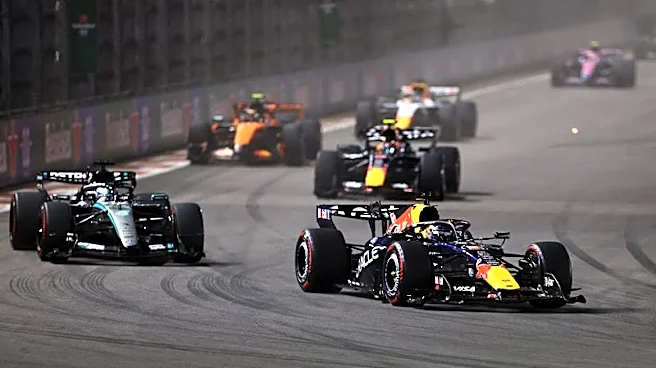
Red Bull is likely to continue its aggressive expansion in sports and media, further solidifying its position as a lifestyle brand. Future initiatives may include deeper dives into emerging sports, new media content creation, and innovative marketing campaigns that leverage its existing platforms. The company's ongoing involvement in Formula One racing and other high-profile sports events suggests a continued commitment to associating its brand with peak performance and excitement. Additionally, Red Bull may explore new product categories or digital ventures to maintain its competitive edge and appeal to evolving consumer preferences. The company's ability to adapt and innovate will be crucial for its sustained growth and influence in the global market.
Beyond the Headlines
Red Bull's success extends beyond mere product sales; it represents a masterclass in experiential marketing and brand storytelling. By creating and owning content, events, and teams, Red Bull has built a narrative that transcends traditional advertising. This approach fosters a deep emotional connection with its audience, turning consumers into brand advocates. The company's influence also raises questions about the commercialization of sports and the role of corporate entities in shaping athletic culture. Red Bull's model could inspire other brands to move beyond transactional relationships with consumers, encouraging them to build immersive brand experiences that foster loyalty and engagement in an increasingly crowded marketplace.