



What's Happening?
Smart lighting systems are evolving beyond simple on/off functions, offering a comprehensive suite of features that enhance home ambiance, security, and user experience. These systems, comprising bulbs, LED strips, switches, hubs, and apps, can replace
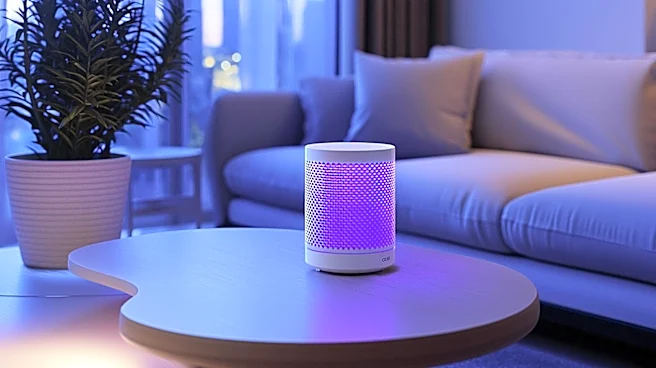
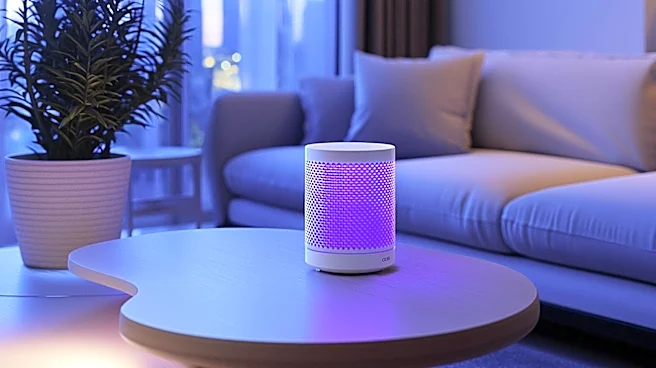
traditional bulbs with options that emit warm, soft light, transforming the feel of a room. Advanced functionalities include simulating natural light cycles for improved sleep, synchronizing with television content for immersive viewing, and deterring burglars by mimicking occupancy. Companies like Philips Hue, Wiz, Ikea, and Govee offer a variety of smart light types, including traditional bulbs, spotlights, LED strips for accent lighting, ceiling lights, chandeliers, wireless table lamps, and weather-resistant outdoor lighting. While smart lights can work with existing wall switches, their full potential, such as remote control and scheduling, is realized when they remain permanently powered and are controlled via dedicated smart switches or smartphone apps.
Why It's Important?
The sophistication of smart lighting systems is transforming how individuals interact with their living spaces, offering significant improvements in comfort, convenience, and energy management. The ability to customize light color, brightness, and temperature allows users to create specific moods and scenes, adapting their environment to different activities throughout the day. This level of control can positively impact well-being, for instance, by using simulated sunrises to gently wake up users. From a security perspective, the feature to mimic presence when away provides an added layer of protection against potential intruders. Furthermore, the integration with smart home platforms like Alexa, Google Home, and Apple HomeKit streamlines home automation, making smart lighting a central component of a connected lifestyle. This shift towards intelligent, adaptable lighting solutions is setting new standards for modern living environments.
What's Next?
The future of smart lighting will likely see continued advancements in connectivity, integration, and user-centric design. The ongoing development of universal smart home standards, such as Matter, aims to improve interoperability between devices from different manufacturers, making it easier for consumers to build comprehensive smart home ecosystems. We can expect to see more sophisticated sensors and AI-enhanced control systems that offer even greater automation and personalization. For instance, smart switches are evolving to include touchscreens that monitor air quality and energy usage, further integrating lighting into broader home management. As technology progresses, smart lighting will become more intuitive, responsive, and seamlessly integrated into daily routines, offering predictive capabilities based on user habits and environmental factors. The market will also likely see more affordable options, making these advanced features accessible to a wider consumer base.
Beyond the Headlines
Beyond the immediate technological advancements, the evolution of smart lighting touches upon deeper societal and psychological aspects. The ability to precisely control and adapt lighting environments can have profound effects on mood, productivity, and overall mental health. Human-centric lighting, which adjusts to natural circadian rhythms, is a growing area that leverages smart technology to support biological processes, potentially mitigating issues like seasonal affective disorder and improving sleep quality. The increasing prevalence of smart lighting also raises questions about the aesthetic and architectural integration of technology into living spaces, moving beyond mere functionality to become an integral part of interior design. As these systems become more ubiquitous, they will reshape our understanding of light not just as illumination, but as a dynamic and interactive element of our environment, influencing our daily lives in subtle yet significant ways.