





What's Happening?
Destination weddings in Japan are gaining popularity, offering couples a blend of traditional Japanese hospitality and diverse scenic venues. These weddings require meticulous planning, particularly concerning legal registration, which typically occurs
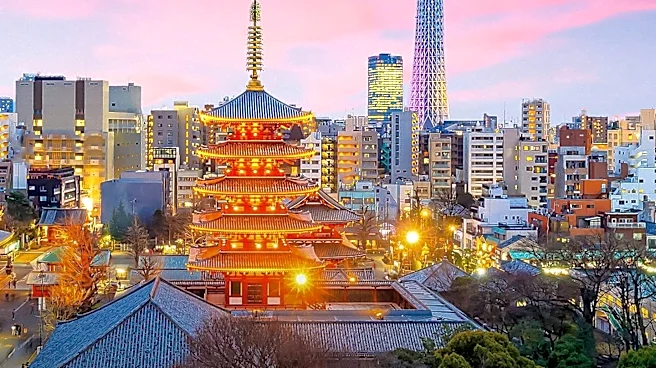
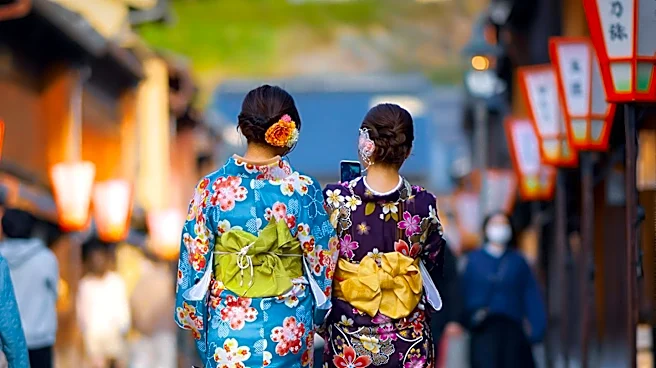
at a city or ward office rather than at the ceremony venue itself. Most international couples opt to legally marry in their home country and then hold a celebratory ceremony in Japan. Popular venue choices range from Tokyo's garden hotels like Hotel Chinzanso Tokyo and Happo-en, to Kyoto's historic townhouses and riverside hotels, hot-spring inns in Hakone, beach resorts in Okinawa, and mountain settings in Hokkaido. The Japanese approach to weddings emphasizes hospitality, known as 'omotenashi,' and a deep appreciation for design, evident in the use of local materials for invitations and decor. Seasonal considerations are crucial, with spring (late March to early April for cherry blossoms) and autumn (November for red maples) being the most favored times, while summer can be challenging due to rain and humidity. Couples often incorporate traditional Japanese attire, such as the shiromuku or iro-uchikake for brides and crested black kimonos for grooms, with rental services widely available.
Why It's Important?
The growing trend of destination weddings in Japan highlights a broader interest in cultural immersion and unique experiences for significant life events. For the U.S. wedding industry, this trend signifies a potential shift in consumer preferences towards international and culturally rich celebrations, possibly influencing travel agencies, wedding planners, and luxury hospitality providers to expand their offerings to include such specialized packages. The emphasis on 'omotenashi' and meticulous design in Japanese weddings sets a high standard for service and aesthetics, which could inspire or challenge U.S. vendors to enhance their own client experiences. Furthermore, the legal complexities surrounding marriage registration in Japan for foreign nationals underscore the importance of clear guidance and support for couples, potentially creating a niche for legal and logistical consulting services. The seasonal popularity of certain periods in Japan also impacts travel and accommodation sectors, requiring advanced planning and potentially driving up demand during peak times, which could affect U.S. travelers' budgets and availability.
What's Next?
Couples planning a destination wedding in Japan should prioritize understanding the legal requirements for marriage registration, as these differ significantly from the ceremonial aspects. It is advisable to complete legal marriage procedures in their home country before traveling to Japan for the celebration. Future planning will involve selecting a venue based on guest count, desired season, and preferred atmosphere, with popular choices booking up to a year in advance, especially for spring and autumn dates. Engaging with local Japanese wedding planners or specialized travel services can streamline the process, assisting with venue selection, traditional attire rentals, photography, and guest logistics. Guests will need ample notice (at least six months) to arrange travel to Japan, typically arriving through Tokyo. Hotels often offer room blocks, and clear communication regarding etiquette and local customs will enhance the guest experience. The trend suggests continued growth in demand for culturally authentic and meticulously planned international wedding experiences, prompting further development of specialized services and packages catering to this market.
Beyond the Headlines
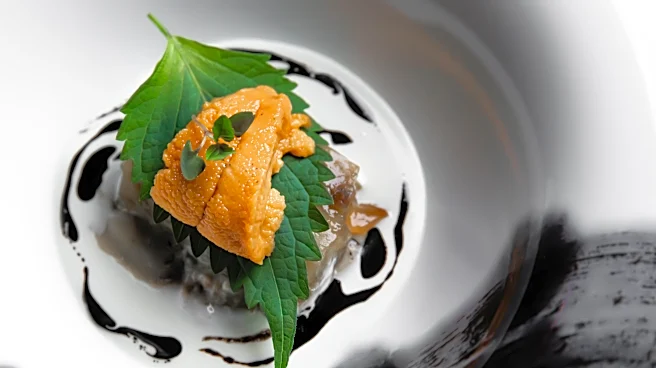
The allure of destination weddings in Japan extends beyond picturesque backdrops and efficient service; it taps into deeper cultural values such as 'en,' the Japanese concept of connection and the ties that bring people together. This cultural dimension adds profound meaning to the celebration, transforming a wedding into an experience that fosters lasting bonds between families and guests. The meticulous attention to detail, from the symbolic significance of food items like sea bream to the traditional practice of giving money in 'goshugi-bukuro' envelopes, reflects a society that values ceremony and thoughtful gestures. This cultural richness offers an opportunity for couples and their guests to engage with Japanese traditions, potentially leading to a greater appreciation for cross-cultural understanding and exchange. The choice of Japan for such a significant event can also influence long-term shifts in travel patterns and cultural tourism, as guests who experience the country for a wedding may be inspired to return for further exploration, thereby contributing to Japan's tourism economy and fostering international relationships.