



What's Happening?
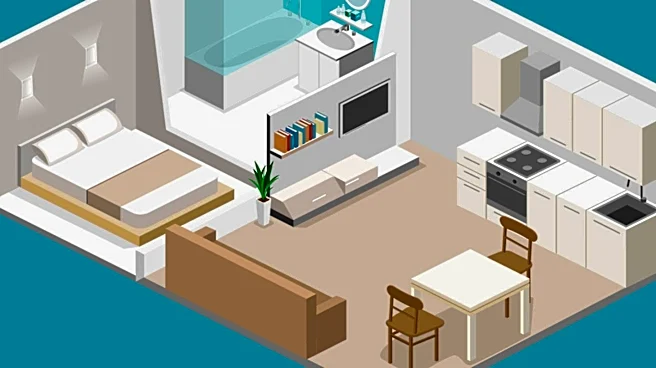
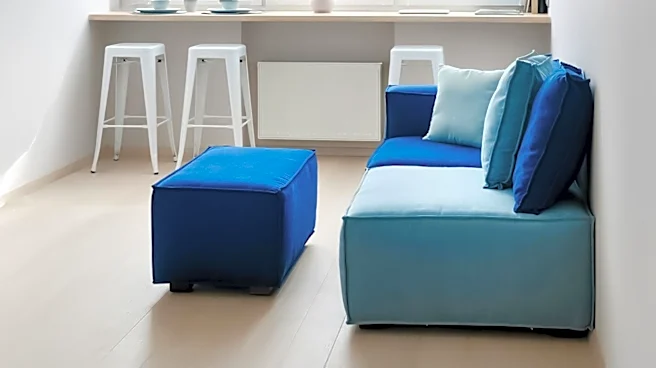
Studio apartment design is evolving to maximize limited spaces through innovative layouts and multi-functional furniture. Key strategies include placing beds in defined alcoves or behind sofas to create visual separation between sleeping and living areas.
For single-person studios, fold-down dining workstations are being integrated to combine dining and work functions efficiently. Designers are also focusing on practical storage solutions, such as under-bed storage and closed cabinetry, to keep clutter at bay. The goal is to ensure that studio apartments are not only aesthetically pleasing but also highly functional for daily living. This involves careful consideration of circulation paths, furniture placement, and the impact of natural light and ventilation. The trend highlights the importance of flexible furniture that can easily adapt to different daily needs, ensuring that each zone within the studio cooperates effectively.
Why It's Important?
The emphasis on efficient studio apartment design is crucial in urban areas where living spaces are often compact and expensive. By optimizing small footprints, these design strategies make urban living more accessible and comfortable for a wider range of residents, including young professionals, students, and individuals seeking minimalist lifestyles. The integration of flexible and space-saving furniture can significantly improve the quality of life in smaller homes, transforming them into versatile environments that support various activities from working to entertaining. This trend also influences the furniture and interior design industries, driving innovation in convertible and modular pieces. As urban populations continue to grow, the demand for well-designed, efficient studio apartments will likely increase, making these design principles essential for future housing developments.
What's Next?
Future developments in studio apartment design are expected to further integrate smart home technology and advanced materials to enhance functionality and aesthetics. We may see an increase in AI-powered design tools that can generate optimized layouts and furniture arrangements based on individual preferences and space constraints. The market for multi-functional furniture, such as murphy beds with integrated desks or modular shelving systems, is likely to expand. Additionally, there will be a continued focus on sustainable design practices, utilizing eco-friendly materials and energy-efficient solutions within compact living spaces. Architects and interior designers will likely collaborate more closely with furniture manufacturers to create bespoke solutions tailored to the unique challenges of studio living, pushing the boundaries of what is possible in small-space design.
Beyond the Headlines
Beyond the immediate practical benefits, the evolution of studio apartment design reflects broader societal shifts towards urbanization, sustainability, and minimalist living. The demand for efficient small spaces challenges traditional notions of home and encourages a more conscious approach to consumption and material possessions. Ethically, these designs promote resource efficiency by making the most of limited square footage, potentially reducing the environmental impact associated with larger homes. Culturally, they foster adaptability and creativity in how individuals inhabit and personalize their living environments. This trend also highlights a growing appreciation for thoughtful design that prioritizes functionality and well-being over sheer size, influencing how future generations might perceive and utilize residential spaces in increasingly dense urban landscapes.