





What's Happening?
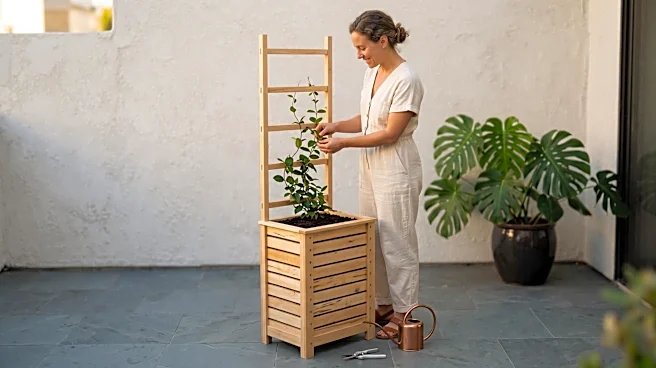
A DIY enthusiast, known as Bang on Style on TikTok, has transformed discarded IKEA bed slats into a functional and aesthetically pleasing garden planter with an integrated wooden ladder trellis. The project involved several woodworking steps, including
removing staples from the slats, cutting them at an angle with a miter saw, and assembling them using battens. Countersunk screw holes were drilled to ensure fasteners were flush with the surface, and gaps were intentionally left between the boards to facilitate proper water drainage, a crucial aspect for container-grown plants. After attaching the trellis and adding small wooden scraps as feet, the planter was finished with wood filler, sanding, and paint. The creator also lined the inside with plastic, which can extend the lifespan of the wooden planter, especially for outdoor use, though it's noted that the liner should allow water to pass through, such as landscape fabric. The finished product is designed to resemble a store-bought item, showcasing the potential for repurposing household waste into practical garden features.
Why It's Important?
This DIY project highlights the growing trend of upcycling and sustainable living, offering a practical example of how individuals can reduce waste and create valuable items from discarded materials. The initiative demonstrates that functional and attractive garden solutions do not always require new purchases, promoting resourcefulness and environmental consciousness. For U.S. households, this approach can lead to cost savings on gardening supplies and contribute to a more sustainable lifestyle by diverting items from landfills. The project's success, as shared on social media platforms like TikTok, can inspire others to undertake similar repurposing efforts, fostering a community of DIY enthusiasts and promoting creative problem-solving in home and garden design. This trend also underscores the increasing interest in container gardening, which allows for flexible plant placement and the creation of decorative garden features, even in limited spaces.
What's Next?
The success of this project on social media platforms like TikTok suggests a continued interest in DIY and upcycling trends. It is likely that more individuals will be inspired to explore similar projects, leading to an increase in creative repurposing of household items for gardening and other home improvement needs. This could further popularize container gardening, especially among those with limited outdoor space or a desire for sustainable practices. Manufacturers of gardening tools and materials might see a shift in demand towards products that support DIY construction and upcycling, such as specialized fasteners, wood treatments, or permeable liners. Additionally, online communities and tutorials focused on sustainable gardening and DIY projects are expected to grow, providing more resources and inspiration for individuals looking to embark on similar endeavors. The project also serves as a model for how discarded items, like old bed frames, can be given a second life, potentially influencing broader discussions around waste reduction and circular economy principles.
Beyond the Headlines
Beyond its immediate utility, this project touches upon deeper societal shifts towards sustainability and conscious consumption. The act of transforming waste into a valuable item challenges the prevailing 'throwaway' culture and encourages a more thoughtful approach to material possessions. Ethically, it promotes resourcefulness and reduces the environmental impact associated with manufacturing new products and disposing of old ones. Culturally, the sharing of such projects on social media platforms like TikTok fosters a sense of community and empowers individuals to engage in creative expression and practical skill-building. This trend also highlights the evolving definition of 'value,' where the intrinsic worth of an item can be reimagined through repurposing, rather than solely relying on its original commercial purpose. The project serves as a micro-example of how individual actions, when aggregated, can contribute to broader environmental goals and a more sustainable future.