
What's Happening?
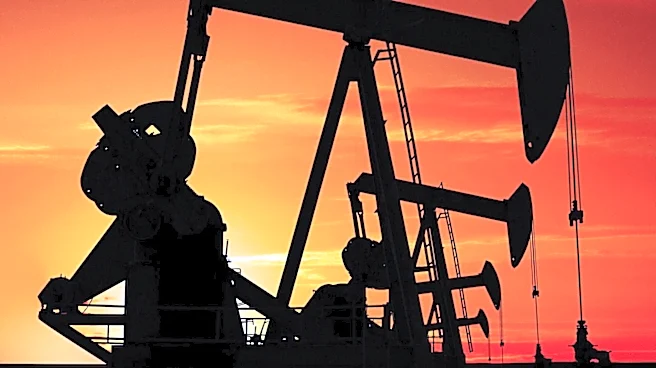
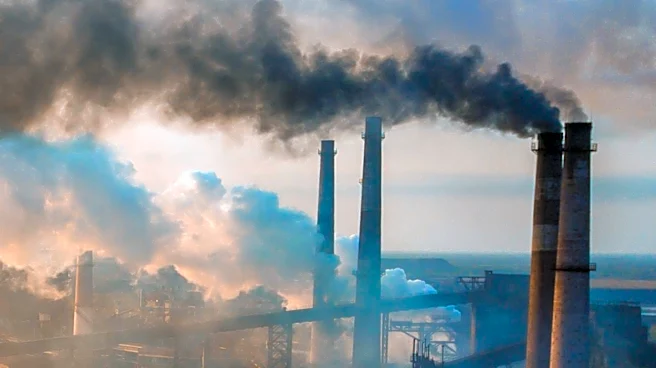
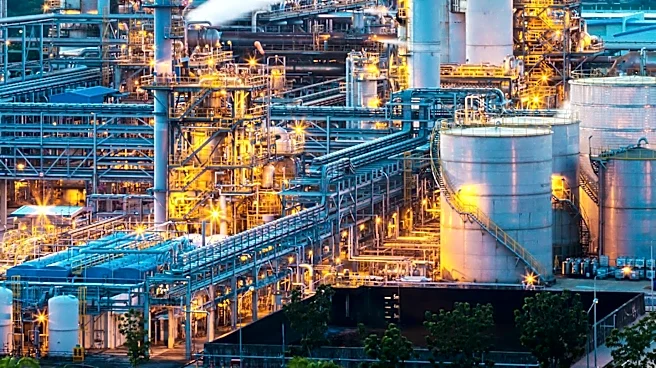
Russia's fuel crisis, which has persisted for two months, is showing signs of easing as refineries resume operations. The Omsk region has lifted all limits on petrol and diesel sales, marking a significant
step towards stabilization. Deputy Prime Minister Alexander Novak reported improvements in fuel supply, although some regions, particularly Siberia, remain strained. The crisis was triggered by Ukrainian drone strikes on Russian oil refineries, leading to fuel rationing and import subsidies. Despite progress, the situation remains challenging, with ongoing export bans on petrol, diesel, and jet fuel.
Why It's Important?
The easing of Russia's fuel crisis is crucial for the country's economy and energy sector. The resumption of refinery operations and improved fuel supply could alleviate pressure on consumers and businesses. However, the crisis highlights vulnerabilities in Russia's energy infrastructure, exacerbated by the conflict with Ukraine. The situation underscores the broader economic impact of the war, as fuel shortages affect transportation, industry, and daily life. The ongoing export bans reflect Russia's efforts to prioritize domestic supply, but they also indicate potential long-term challenges in maintaining energy security.
What's Next?
As Russia continues to address its fuel crisis, the government may implement additional measures to stabilize the energy sector. The potential lifting of diesel export bans could depend on domestic demand and refinery capacity. The situation may prompt further investments in energy infrastructure and security measures to mitigate future disruptions. Internationally, the crisis could influence global energy markets, particularly if Russia remains a net petrol importer. The ongoing conflict with Ukraine will likely continue to impact Russia's energy strategy and its relations with global energy partners.