








What's Happening?
A psychiatrist shares a personal account of how horror films have affected their mental health, exploring the concept of 'cinematic neurosis.' This term describes a reaction to films that is so intense it can lead to symptoms similar to post-traumatic
stress disorder (PTSD). The psychiatrist recounts a childhood experience with the film 'Abbott and Costello Meet Frankenstein,' which triggered a lifelong fear of horror films. The article discusses how horror films have become increasingly popular, with the genre seeing a significant rise in box office revenue. The psychiatrist examines why some individuals, particularly children, may react to horror films with trauma rather than enjoyment, citing factors such as age, empathy, and personal experiences of loss or emotional difficulties.
Why It's Important?
The exploration of 'cinematic neurosis' highlights the potential psychological impact of horror films, particularly on vulnerable individuals. Understanding this phenomenon is crucial for mental health professionals, parents, and educators in recognizing and addressing the effects of media on mental health. The popularity of horror films suggests a societal fascination with fear and the uncanny, which can serve as a safe way to explore and rehearse feelings of terror and helplessness. However, for some, these films can trigger deep-seated fears and anxieties, underscoring the need for awareness and sensitivity to individual differences in media consumption.
What's Next?
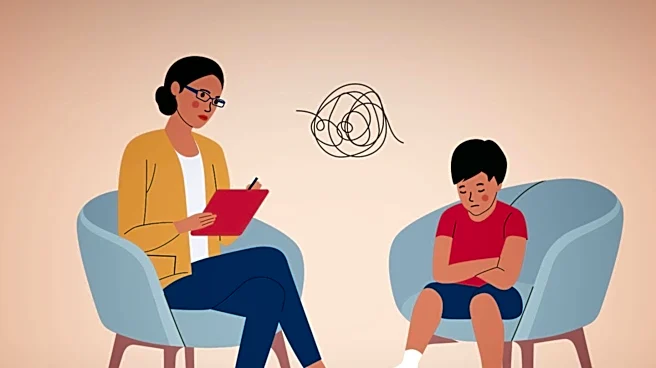
For those affected by cinematic neurosis, therapeutic approaches may include exposure to the filmmaking process to demystify and reduce fear. Parents and caregivers can help children by providing context and reassurance, and mental health professionals can offer support to individuals struggling with media-induced anxiety. As horror films continue to evolve and captivate audiences, ongoing research into their psychological effects will be important in developing effective interventions and support systems.
Beyond the Headlines
The discussion of horror films and mental health touches on broader cultural and psychological themes, such as the role of storytelling in processing fear and the impact of media on emotional development. The psychiatrist's insights into the uncanny and the familiar becoming frightening offer a lens through which to understand societal anxieties and the ways in which media can both reflect and shape our fears.