







What's Happening?
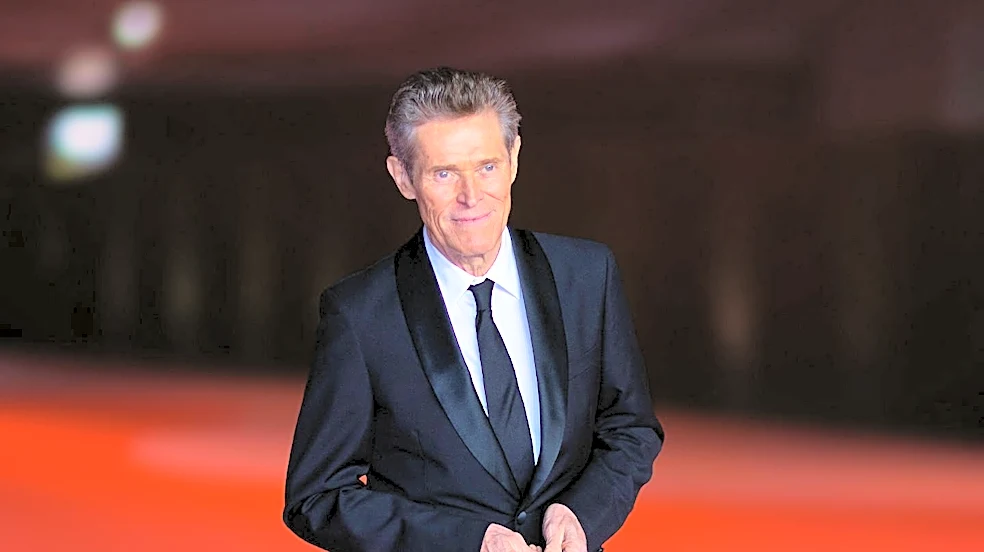
Willem Dafoe has been identified as the second most connected actor in Hollywood, according to an analysis of actor collaborations. This ranking places him just behind Samuel L. Jackson, who holds the top spot with a 'remoteness' score of 2.09. Dafoe's
remoteness score is 2.13, with Robert De Niro following closely at 2.14. The 'remoteness' score is a metric used to determine how closely an actor is connected to the center of Hollywood, based on their collaborations with other prolific actors. The analysis indicates that while Kevin Bacon is famously associated with the 'Six Degrees of Kevin Bacon' game, he actually ranks 175th, with a remoteness of 2.28. The study also highlights that women are significantly underrepresented among the top 100 most connected actors, occupying only 16 spots, with Nicole Kidman being the highest-ranking woman at #21.
Why It's Important?
This analysis of actor connectivity provides valuable insights into the dynamics of the Hollywood ecosystem and the factors that contribute to an actor's influence and reach. Willem Dafoe's high ranking underscores his extensive and diverse career, marked by collaborations with a wide array of industry professionals. This level of connectivity can significantly impact an actor's career longevity, access to projects, and overall standing within the industry. For aspiring actors and industry professionals, understanding these metrics can shed light on the importance of strategic collaborations and consistent work. The underrepresentation of women in the top 100 connected actors also highlights a persistent gender disparity within Hollywood, suggesting that despite efforts towards diversity, significant imbalances remain in terms of professional networks and opportunities. This data can serve as a benchmark for future discussions and initiatives aimed at promoting greater equity in the entertainment industry.
What's Next?
The methodology used to determine actor connectivity, which considers both film count and the prolificacy of co-stars, could be further developed to predict future trends in Hollywood. The study suggests that while film count is a strong indicator, the quality and reach of co-star collaborations are equally crucial. Future analyses might explore how emerging actors, particularly those from Gen Z, are building their networks and who among them is most likely to become the 'next Samuel L. Jackson.' This could involve tracking their film trajectories and co-star choices over time. The ongoing discussion about gender representation in Hollywood will likely continue, with data like this providing concrete evidence of existing disparities. Industry stakeholders may use such insights to implement targeted programs or policies aimed at fostering more equitable networking opportunities for women and other underrepresented groups in film.
Beyond the Headlines
The concept of 'remoteness' and actor connectivity extends beyond mere statistics, offering a lens through which to view the evolving nature of creative collaboration and influence in a globalized industry. Willem Dafoe's consistent presence in diverse projects, from independent films to major blockbusters, exemplifies a career built on artistic integrity and strategic partnerships. This model contrasts with the traditional 'star system' and highlights a more interconnected, network-driven approach to career development. The study implicitly raises questions about the subjective nature of 'fame' versus objective 'connectivity,' suggesting that an actor's true influence might be better measured by their professional web rather than just their box office appeal. Furthermore, the findings could inspire academic research into the sociological aspects of creative industries, examining how networks form, evolve, and impact artistic output and industry power structures.