










What's Happening?
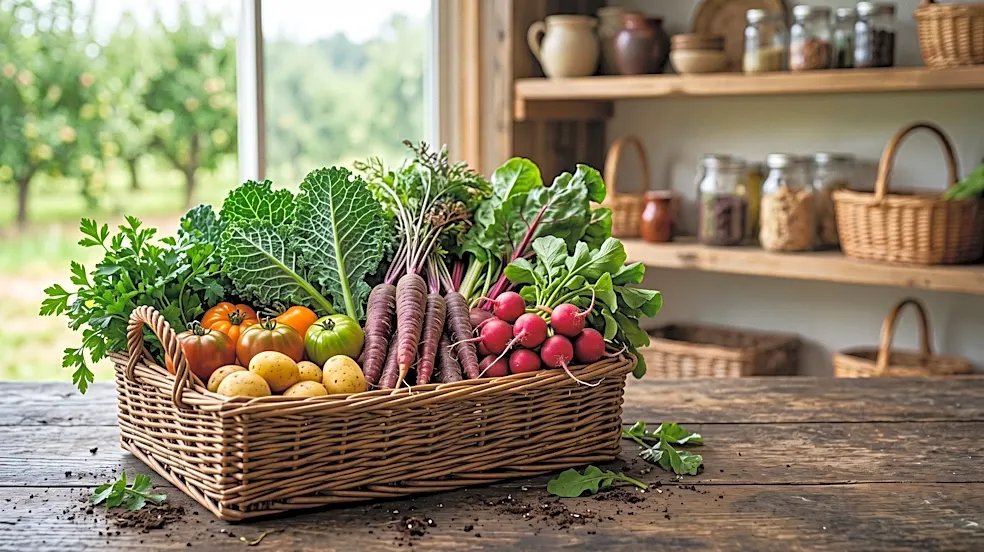
The European Parliament and EU Council have provisionally agreed to update the rules governing the production, labeling, certification, and trade of organic products. This agreement aims to enhance the competitiveness of the EU's organic sector while
maintaining high standards and consumer trust. Key changes include raising the exemption's turnover limit for small businesses from €20,000 to €40,000 annually and doubling the annual sales-volume ceiling from 5,000kg to 10,000kg. The exemption will also extend to small online retailers selling pre-packed organic products under certain conditions. The updated framework clarifies that imports from non-EU countries with equivalent organic standards will continue to be recognized, allowing them to use 'organic' descriptions and display their country of origin's organic logo. The agreement also extends organic standard recognition for 11 non-EU nations, including the U.S., Canada, and Argentina, by 10 years, moving the expiration date to December 31, 2036. A previous proposal to allow the EU organic label on products with less than 5% non-EU ingredients not meeting additional criteria was dropped.
Why It's Important?
This update to European organic farming rules has significant implications for U.S. organic producers and exporters. The extension of organic standard recognition for the U.S. by 10 years provides crucial stability and legal certainty for American companies exporting organic products to the EU. This continuity ensures that U.S. organic goods can maintain their market access and competitive edge in one of the world's largest organic markets. The clarification on the use of 'organic' descriptions and country-of-origin logos for equivalent non-EU imports simplifies trade processes, potentially reducing administrative burdens for U.S. exporters. While the EU's focus is on its internal market, the harmonization of standards and the long-term recognition of U.S. organic certifications are vital for the U.S. organic industry's growth and profitability. Any disruption in this recognition could lead to substantial economic losses for U.S. farmers and businesses, making this agreement a positive development for transatlantic organic trade relations.
What's Next?
The provisional agreement now requires formal endorsement by both the Council and Parliament, followed by legal-linguistic revision and formal adoption. The institutions aim to complete this process before the end of the current year. Once formally adopted, the revised framework will enter into force, with transitional measures in place to support continuity and legal certainty for imported organic goods and international trade. This will allow products labeled under existing rules to remain on sale until stocks are depleted, preventing market disruption. U.S. organic producers and exporters will need to stay informed about the final implementation details to ensure continued compliance and to leverage the extended recognition of their organic standards in the European market.
Beyond the Headlines
The EU's updated organic farming rules reflect a global trend towards stricter and more harmonized standards in the organic sector, driven by increasing consumer demand for transparency, sustainability, and food safety. This move could influence other major markets to review and potentially align their organic regulations, fostering a more interconnected global organic trade system. The emphasis on reducing administrative hurdles for small producers within the EU might also inspire similar initiatives in the U.S. to support its own small and medium-sized organic farms. Furthermore, the decision to drop the proposal allowing the EU organic label on products with a small percentage of non-EU ingredients underscores a commitment to maintaining the integrity and perceived value of the EU organic brand, which could set a precedent for how other regions approach their organic labeling policies. This ongoing evolution in organic regulations highlights the growing importance of organic agriculture in addressing environmental concerns and consumer preferences worldwide.