





What's Happening?
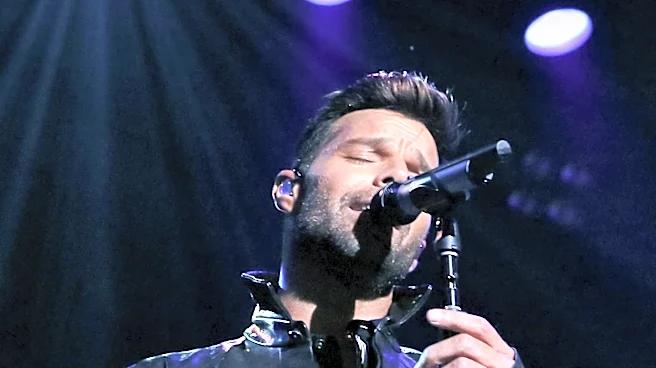
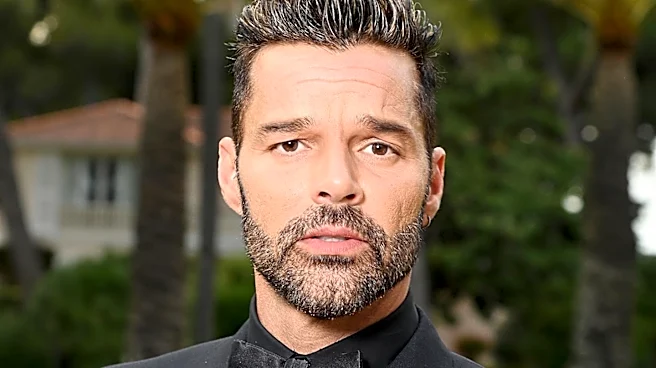
Ricky Martin has disclosed a severe battle with COVID-19 that left him bedridden for 50 days. During an interview on the Enrique Santos Show of iHeartRadio, the Puerto Rican artist revealed that he chose to self-treat at home rather than go to a hospital,
fearing intubation. He described feeling critically ill, stating that he felt as though he was close to death on three separate occasions. Martin explained that he was unable to perform basic functions, such as going to the bathroom, for nearly two months. This experience, which he shared publicly for the first time, profoundly impacted his perspective on life and led to a period of intense anxiety. He emphasized that the ordeal has instilled in him a deep sense of gratitude for being alive and able to breathe.
Why It's Important?
Ricky Martin's personal account highlights the severe and prolonged impact that COVID-19 can have, even on individuals who are not hospitalized. His decision to avoid the hospital due to fear of intubation reflects a broader public concern that was prevalent during the pandemic, influencing how some individuals sought or avoided medical care. This revelation underscores the psychological toll of the illness, particularly the development of clinical anxiety, which Martin experienced after his prolonged recovery period. His story contributes to the ongoing narrative of the pandemic's long-term effects on health and well-being, emphasizing the importance of mental health support alongside physical recovery. For public figures like Martin, sharing such vulnerable experiences can help destigmatize discussions around severe illness and anxiety, encouraging others to acknowledge and address their own health challenges.
What's Next?
Following his recovery and reflection on his COVID-19 experience, Ricky Martin is moving forward with new professional endeavors. He has announced plans for a new album titled 'Te cuento historias' and a film role in 'Hombre al agua.' These upcoming projects indicate a return to his artistic career, potentially infused with the renewed perspective he gained from his health battle. His public sharing of this personal struggle may also lead to increased advocacy or discussions around long COVID symptoms, mental health, and the importance of gratitude and resilience. Fans and the public will likely follow his new releases with interest, perhaps seeing a deeper emotional resonance in his work given his recent revelations.
Beyond the Headlines
Ricky Martin's candid disclosure about his near-death experience with COVID-19 and subsequent anxiety touches upon several deeper societal implications. His fear of intubation, while personal, reflects a broader public distrust or anxiety surrounding medical interventions during the pandemic, which could have long-term effects on healthcare seeking behaviors. The development of clinical anxiety post-illness also highlights the often-overlooked mental health crisis exacerbated by the pandemic, suggesting that physical recovery is only one part of a holistic healing process. Martin's emphasis on gratitude and living in the present moment, born from his ordeal, could resonate with many who have faced similar life-altering challenges, fostering a collective conversation about resilience, vulnerability, and the re-evaluation of life's priorities in the wake of global crises. This narrative contributes to a growing understanding of the multifaceted and enduring impact of the pandemic on individuals' lives.