



What's Happening?
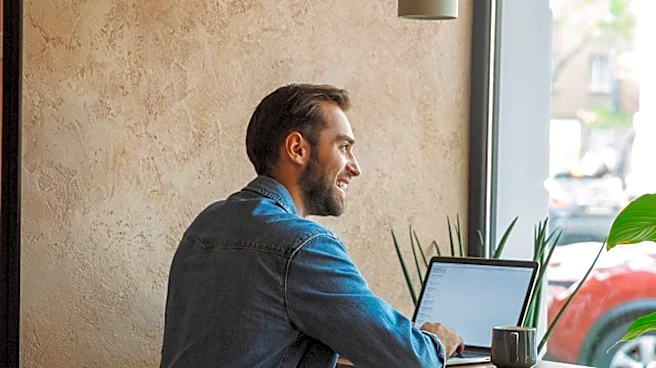
Coffee shops are increasingly transforming into flexible workspaces, offering amenities such as comfortable seating, complimentary Wi-Fi, and a welcoming atmosphere. This evolution is driven by the digital revolution, which enables remote work and allows
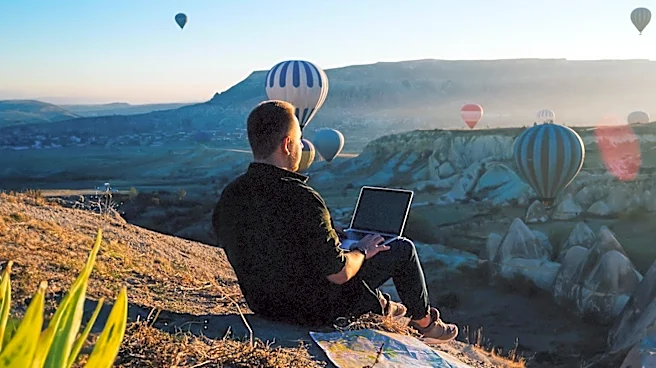
individuals to use cafes as an 'office away from the office.' Sociologist Ray Oldenburg's concept of a 'third place'—a social environment distinct from home and work where individuals can build social connections and foster community—is being fulfilled by these establishments. The demand for such spaces has led coffee shops to adapt by providing premium-quality work environments and a diverse menu of food and beverages to meet customer expectations. This trend ensures consistent demand throughout the day, extending beyond traditional rush periods as laptop-wielding customers utilize these spaces for work.
Why It's Important?
The resurgence of 'third places' like coffee shops has significant implications for the U.S. workforce and urban planning. As remote and hybrid work models become more prevalent, these spaces offer crucial alternatives to traditional offices and home environments, combating potential isolation and fostering social interaction. For businesses, this trend presents opportunities to cater to a growing demographic of remote workers, potentially boosting local economies and creating new revenue streams. The increased foot traffic and extended operating hours driven by these workers can benefit surrounding businesses and contribute to the vibrancy of urban centers. Conversely, traditional office spaces may face continued challenges in attracting workers who prefer the flexibility and atmosphere of third places, necessitating a re-evaluation of commercial real estate strategies.
What's Next?
The trend of coffee shops serving as flexible workspaces is likely to continue expanding, with further innovations expected in service offerings and amenities. We may see more establishments integrating dedicated co-working features, such as private meeting rooms or subscription-based access to enhanced services. Businesses, both within and outside the coffee industry, may increasingly seek to replicate the social and work-related benefits of these environments, potentially leading to more hybrid models where retail spaces incorporate work-friendly zones. Urban planners and developers might also consider integrating more 'third place' concepts into new developments to support evolving work patterns and community needs. This could involve creating more accessible and amenity-rich public spaces that encourage both work and social engagement.
Beyond the Headlines
The transformation of coffee shops into essential 'third places' reflects a deeper societal shift in how individuals perceive and utilize space for work and social interaction. This trend highlights the evolving nature of community building in an increasingly digital world, where physical spaces still play a vital role in fostering human connection and collaboration. It also raises questions about the future of work-life balance, as the lines between personal and professional environments blur within these versatile spaces. The emphasis on comfort, connectivity, and a welcoming atmosphere in these establishments underscores a growing demand for environments that support holistic well-being, moving beyond mere functionality to offer a sense of belonging and inspiration. This cultural shift could influence design principles for various public and commercial spaces, prioritizing flexibility and community engagement.