



What's Happening?
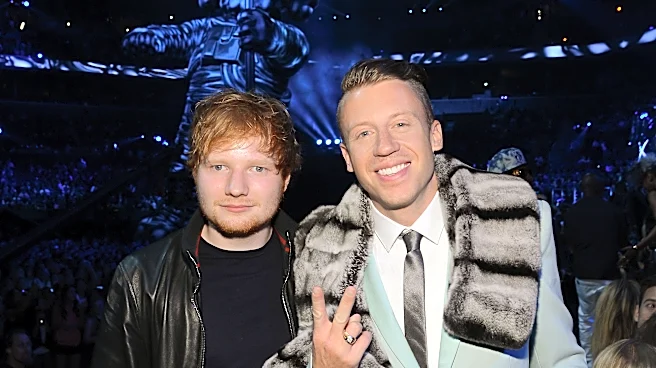
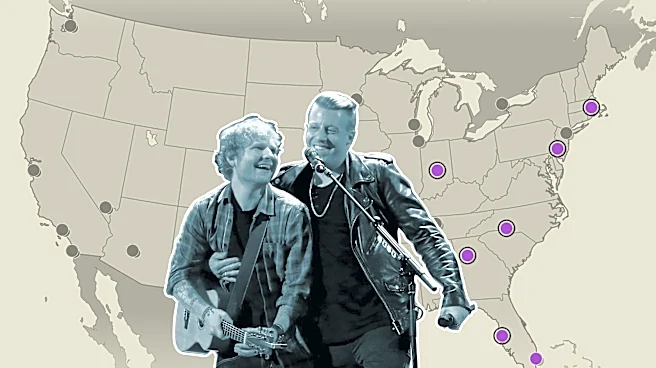
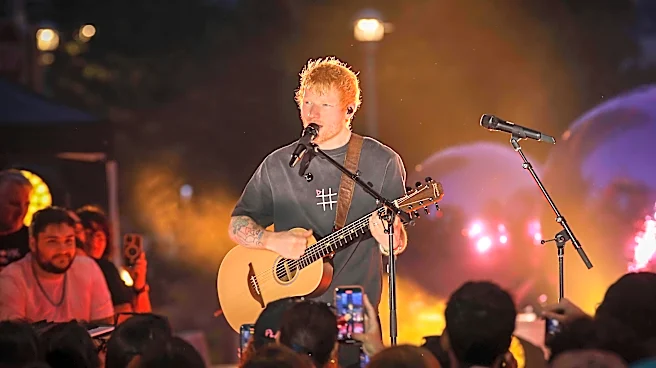
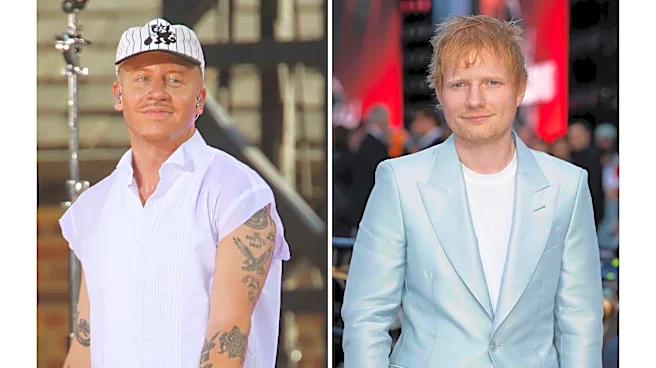
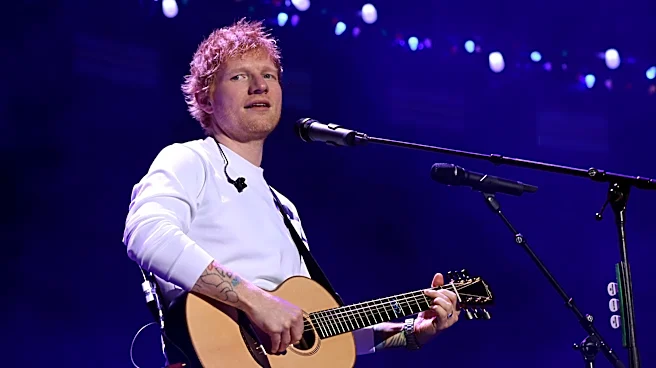
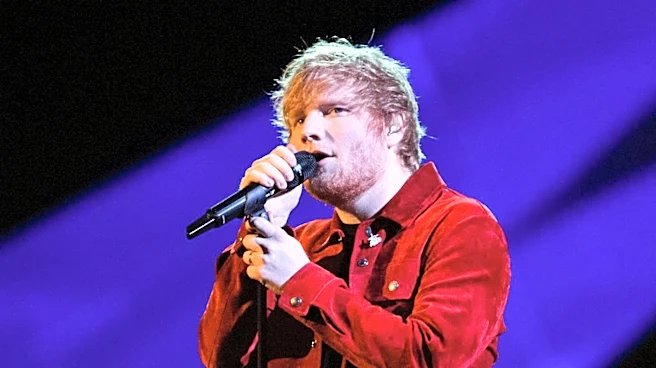
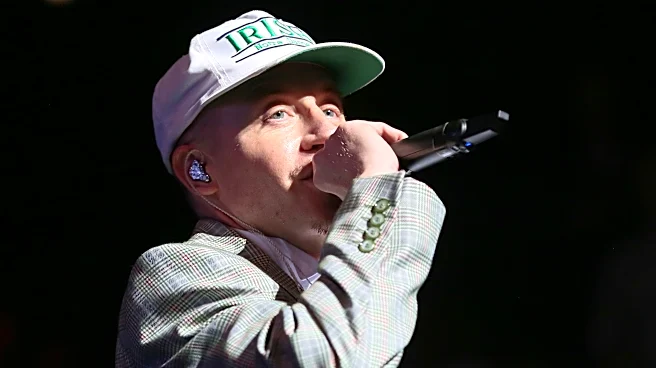
Ed Sheeran has issued a statement regarding rapper Macklemore's removal from his ongoing tour, asserting that he attempted to find a resolution with the promoter to keep Macklemore on the lineup. Macklemore, whose real name is Ben Haggerty, previously
stated on Instagram that he was forced off the tour following his pro-Palestine comments made during opening acts at MetLife Stadium in New Jersey. According to Macklemore, multiple stadiums informed Messina Touring Group, Sheeran's promoter, that they would cancel shows if Macklemore remained on the tour. Macklemore also claimed that Robert Kraft, owner of Gillette Stadium, rallied other stadium owners to issue an ultimatum to Sheeran. Sheeran clarified that the decision to remove Macklemore was made by the promoter, not by him, and that Macklemore's contract was with the promoter. Sheeran expressed his dismay at the conflict between Israel and Palestine, emphasizing that he chooses not to use his professional platform for politics to maintain a safe space for his diverse audience, including children.
Why It's Important?
This incident highlights the increasing pressure on public figures and organizations to navigate politically sensitive topics, particularly the Israeli-Palestinian conflict. The decision by stadium owners to reportedly issue an ultimatum to Ed Sheeran underscores the significant financial and reputational risks associated with artists taking strong political stances. For artists like Macklemore, it demonstrates the potential professional consequences of expressing views that may be deemed controversial by powerful stakeholders. Conversely, Sheeran's response reflects a common strategy among mainstream artists to avoid alienating broad audiences by remaining politically neutral, even while acknowledging personal views. The situation also brings to light the influence of venue owners and promoters in shaping the content and political messaging allowed on their stages, potentially impacting artistic freedom and public discourse. The controversy could lead to further discussions within the entertainment industry about the balance between artistic expression, political activism, and commercial viability.
What's Next?
The immediate consequence is Macklemore's absence from the remaining dates of Ed Sheeran's tour. This event may prompt further public discussion and debate among artists, fans, and industry professionals regarding the role of political expression in entertainment. It could also lead to increased scrutiny of contractual agreements between artists and promoters, particularly concerning clauses related to political statements or controversial content. Activist groups and fans on both sides of the Israeli-Palestinian conflict may continue to pressure artists and venues to align with their respective viewpoints. The incident might also influence how other artists approach political commentary during their performances, potentially leading some to self-censor to avoid similar repercussions, while others might be emboldened to speak out. The long-term impact on Macklemore's career and his ability to secure future touring opportunities remains to be seen, as does any potential shift in how venues and promoters manage politically charged performances.
Beyond the Headlines
This situation delves into the complex interplay between freedom of speech, corporate interests, and geopolitical conflicts within the entertainment industry. The reported ultimatum from stadium owners raises questions about censorship and the extent to which economic power can dictate artistic expression. It also exposes the deep divisions within society regarding the Israeli-Palestinian conflict, where even seemingly humanitarian calls like 'Free Palestine' can be perceived as deeply offensive by some, as indicated by Sheeran's statement about feedback he received. The incident underscores the challenge for public figures to navigate a highly polarized environment, where neutrality itself can be seen as a political act. Furthermore, it highlights the ethical dilemma faced by artists and organizations: whether to prioritize commercial success and broad appeal or to use their platform to advocate for causes they believe in, even if it means facing backlash and financial penalties. The event could contribute to a broader cultural conversation about the responsibilities of artists and the boundaries of political discourse in public spaces.