





What's Happening?
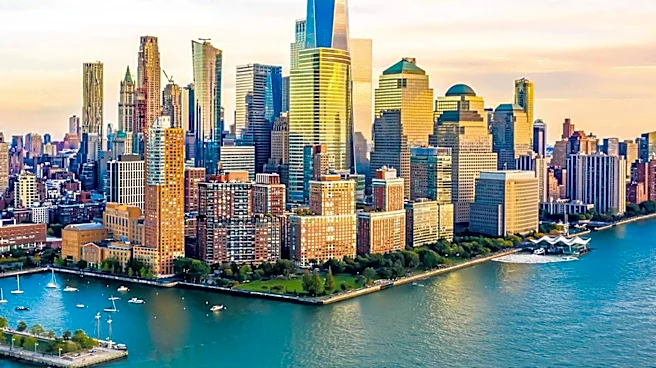
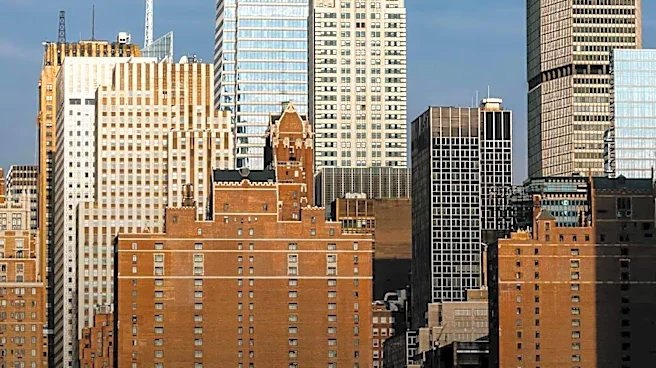
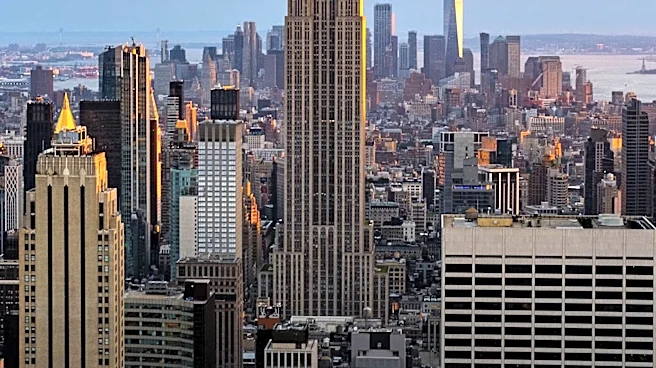
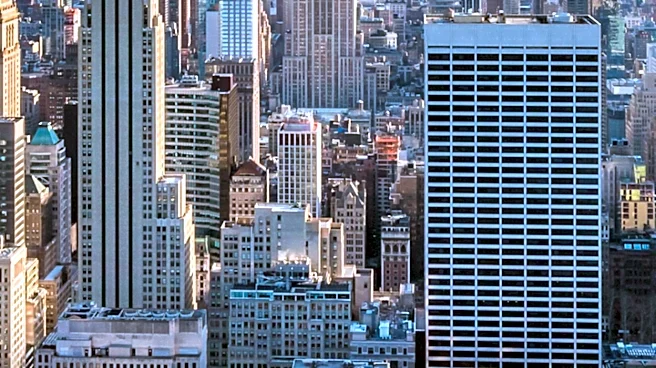
The Midtown office market in New York City has fully recovered its occupancy losses experienced during the pandemic, with available office space falling to 27.7 million square feet by the end of the third quarter, matching March 2020 levels. This makes
Midtown the first New York submarket to achieve such a recovery. Concurrently, Class-A asking rents across Manhattan have reached an all-time high of $85.45 per square foot. Midtown's average asking rent specifically increased by 5.4% year over year to $85.08 per square foot, marking its fastest annual third-quarter increase since 2014. Manhattan as a whole is on track for its busiest leasing year since 2000, with over 10 million square feet of leases signed. The Midtown South submarket also saw record leasing activity, driven in part by significant leases from AI firms, which collectively leased nearly 1.1 million square feet in Manhattan during the third quarter.
Why It's Important?
The recovery of the Midtown office market signifies a crucial turning point for New York City's commercial real estate sector, indicating renewed confidence and demand for prime office spaces. The record-high rents suggest a tightening supply, particularly for Class-A properties, which benefits landlords and property owners. This trend could lead to increased property values and investment in high-quality office developments. The significant leasing activity by AI firms highlights the growing influence of the technology sector on urban real estate markets, potentially reshaping demand patterns and driving innovation in office design and amenities. However, the uneven recovery, with Downtown Manhattan lagging, suggests a bifurcated market where premium locations and specific industry demands are outperforming others. This could exacerbate disparities in urban development and economic growth across different submarkets.
What's Next?
The continued tightening of the Midtown office market is likely to sustain upward pressure on rents, potentially leading to further record highs. As prime spaces become scarcer, demand may spill over into adjacent neighborhoods, driving up prices in those areas as well. The strong performance of AI firms in leasing office space suggests a continued focus on attracting and accommodating technology companies, which could influence future development and infrastructure planning. Developers and investors may prioritize projects that cater to the specific needs of these high-growth sectors, such as flexible layouts and advanced technological infrastructure. The uneven recovery across Manhattan submarkets indicates that strategies for revitalization and investment will need to be tailored to address the unique challenges and opportunities in each area, with a continued focus on improving public spaces and addressing urban issues to attract businesses and talent.
Beyond the Headlines
The resurgence of the Midtown office market, particularly with the influx of AI firms, points to a broader shift in the economic landscape of major U.S. cities. This trend underscores the enduring value of physical office spaces for collaboration and innovation, even in an era of hybrid work models. The polarization of the market, where prime locations command top dollar while other areas struggle, could deepen socio-economic divides within urban centers. It also raises questions about the long-term sustainability of such high rental costs and their potential impact on smaller businesses and startups. Furthermore, the focus on AI and technology companies could lead to a more specialized urban economy, potentially marginalizing traditional industries and altering the character of commercial districts. The need for high-quality, move-in-ready spaces also highlights a demand for efficiency and immediate utility, reflecting a more dynamic and less patient business environment.