




What's Happening?
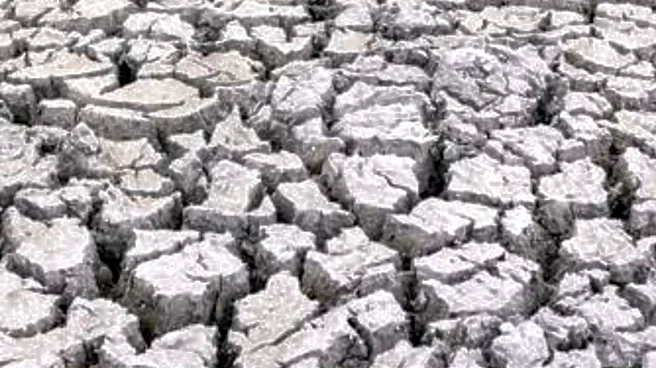
Lawns across drought-stricken areas are facing challenges from invasive grasses such as crabgrass and quackgrass. The extreme heat and lack of rainfall have left many lawns vulnerable, allowing these weedy grasses to thrive. Crabgrass, an annual grass, is
particularly noticeable during this time of year, while quackgrass, a perennial, continues to spread through its underground rhizomes. Homeowners are advised to take measures to manage these invasive species and maintain healthy turf.
Why It's Important?
The proliferation of crabgrass and quackgrass poses a significant challenge for homeowners and landscapers, as these invasive species can undermine the health and appearance of lawns. Managing these grasses requires strategic interventions, such as the use of pre-emergent herbicides and maintaining dense, healthy turf to prevent weed growth. The situation highlights the broader impact of climate conditions on landscaping and the importance of adaptive management practices in maintaining green spaces.
What's Next?
As the drought persists, homeowners may need to implement additional measures to control invasive grasses and support lawn recovery. Fall fertilization and strategic watering could help lawns recover from dormancy and reduce the prevalence of weedy species. Continued monitoring of weather patterns and adapting lawn care practices will be essential for managing the impact of climate conditions on turf health.