







What's Happening?
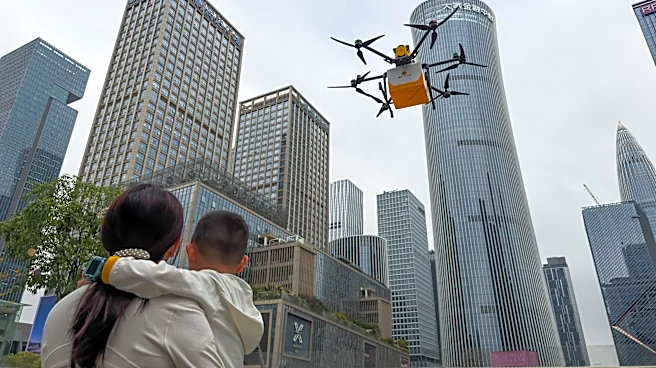
The last-mile delivery segment, which accounts for up to 53% of total shipping costs, is under significant pressure due to rising delivery volumes and customer expectations for real-time visibility. The complexity of this segment makes it the most expensive
and operationally challenging part of the supply chain. Recent technological investments in warehouse automation, telematics, and customer communication have been made to address these challenges. However, the effectiveness of these technologies hinges on a robust route planning foundation. Route planning is crucial as it determines the allocation of resources in last-mile operations, impacting vehicle utilization, delivery timing, and overall efficiency. Poor planning can lead to high costs, missed delivery windows, and underutilized vehicles, which are not execution failures but planning failures manifesting during execution.
Why It's Important?
The significance of effective route planning in last-mile delivery cannot be overstated. It directly influences major cost and performance drivers, such as vehicle utilization and on-time delivery rates. Operations with advanced route planning capabilities achieve higher vehicle utilization, reducing unnecessary costs associated with fuel, driver hours, and vehicle deployment. This efficiency is crucial in a competitive market where delivery performance is a key differentiator for customers and retailers. Poor planning leads to cascading failures, such as missed deliveries and increased operational costs, which can damage customer satisfaction and competitiveness. Therefore, investing in sophisticated route planning systems is essential for maintaining a competitive edge in the last-mile delivery market.
What's Next?
As the last-mile delivery market becomes increasingly competitive, companies must enhance their route planning capabilities to meet customer expectations and reduce operational costs. This involves integrating advanced planning engines that optimize vehicle assignments, time-window compliance, and driver hours management. Companies like FarEye offer solutions that connect intelligent planning with real-time execution visibility, providing a comprehensive approach to last-mile delivery challenges. Businesses that adopt these technologies can expect improved delivery performance, higher customer satisfaction, and reduced costs, positioning themselves favorably in the market.
Beyond the Headlines
The transformation of last-mile delivery through improved route planning has broader implications for the logistics industry. It highlights the shift towards data-driven decision-making and the integration of technology in traditional operations. This evolution not only enhances efficiency but also sets new standards for customer service and operational transparency. As companies continue to invest in these technologies, the logistics landscape will likely see increased collaboration between technology providers and delivery services, fostering innovation and setting new benchmarks for industry performance.