






What's Happening?
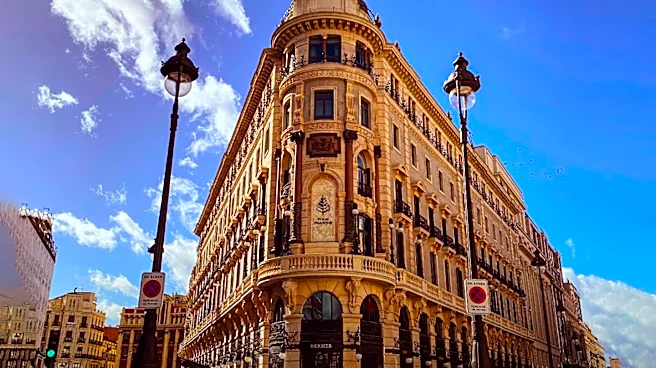
The concept of bleisure travel, which combines business and leisure, is becoming increasingly popular among travelers. This trend is leading to a rise in hotel investments in major urban centers like Madrid and Barcelona. According to recent reports,
these cities are experiencing a surge in hotel investments, with expectations of over 13% growth in early 2026 compared to the start of 2025. This growth is attributed to improved transport links, a steady flow of business-related travel events, and continued interest from premium foreign guests. Madrid is expanding its infrastructure to accommodate this demand, while Barcelona is focusing on maximizing returns from its limited supply. Both cities are adapting to the changing demands of travelers, with Madrid focusing on scale and Barcelona on high spending per tourist.
Why It's Important?
The rise of bleisure travel reflects a broader cultural shift towards valuing downtime and personal well-being. This trend has significant implications for the tourism and hospitality industries, as it encourages cities to adapt their offerings to meet the needs of travelers seeking to balance work and leisure. For U.S. businesses and travelers, this trend could influence travel planning and corporate travel policies, potentially leading to more flexible work arrangements and increased travel opportunities. The growth in hotel investments in Madrid and Barcelona also highlights the economic potential of bleisure travel, as it attracts high-spending tourists and boosts local economies. This shift could lead to increased competition among global cities to attract bleisure travelers, impacting tourism strategies and urban development plans.
What's Next?
As bleisure travel continues to gain traction, cities like Madrid and Barcelona are likely to see further investments in their hospitality sectors. This could lead to the development of new hotels and the upgrading of existing facilities to cater to the needs of bleisure travelers. Additionally, other cities may look to replicate the success of Madrid and Barcelona by enhancing their transport links and hosting more business-related events. For businesses, this trend may prompt a reevaluation of corporate travel policies to accommodate the growing demand for bleisure travel. The continued interest in this travel style could also influence the design of future urban spaces, with a focus on creating environments that support both work and leisure activities.