







What's Happening?
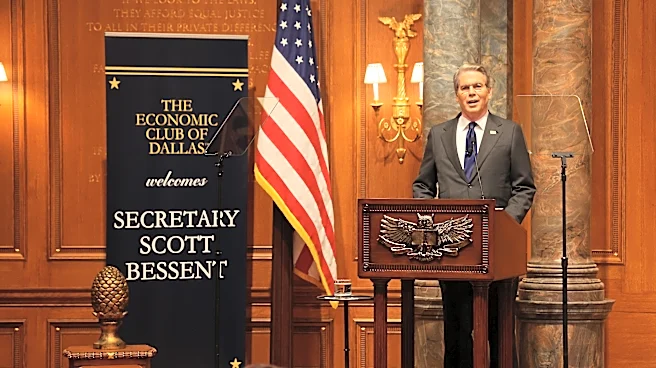
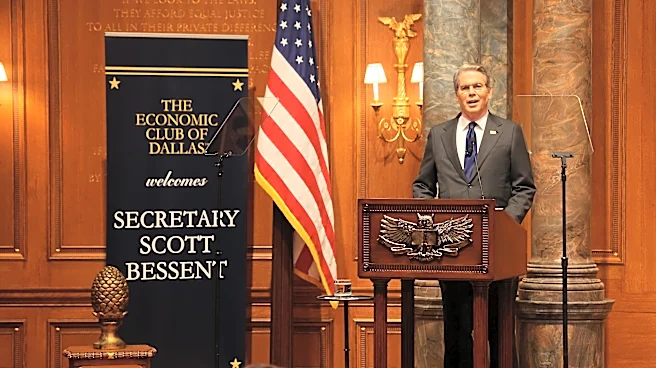
U.S. Treasury Secretary Scott Bessent recently discussed the importance of cybersecurity measures in the banking sector, acknowledging that security patches can cause temporary disruptions to bank services. Speaking on CBS’s Face the Nation on November
22, Secretary Bessent emphasized that these updates are crucial for enhancing the long-term resilience of financial institutions. His remarks come as the financial industry grapples with evolving cyber threats and the increasing integration of artificial intelligence (AI) into operations. Concurrently, Allianz Commercial has indicated that current reported losses only partially reflect the full extent of AI exposure, as AI-related claims often fall under existing categories like cyber or product liability, making their specific AI connection difficult to pinpoint. Research from SAS and the Association of Certified Fraud Examiners further highlights this concern, revealing that only 7% of anti-fraud professionals surveyed feel their organizations are adequately prepared for AI-driven threats, with 77% reporting an increase in deepfake social engineering incidents.
Why It's Important?
The statements from Treasury Secretary Bessent underscore the critical balance banks must strike between maintaining operational continuity and implementing robust cybersecurity defenses. The temporary service disruptions caused by security updates, while inconvenient, are presented as necessary investments in safeguarding the financial system against sophisticated cyberattacks. The broader implications of AI in finance are also significant; the difficulty in categorizing AI-related losses means that the true financial impact and risk exposure may be underestimated by insurers and financial institutions. This lack of clear data could hinder the development of effective risk management strategies and insurance products tailored to AI-specific threats. The rise in deepfake social engineering, as reported by anti-fraud professionals, signals a growing vulnerability that could lead to substantial financial fraud and reputational damage for banks and their customers, necessitating a proactive and adaptive approach to security.
What's Next?
Financial institutions are expected to continue prioritizing cybersecurity enhancements, including the regular implementation of security patches, despite potential short-term service interruptions. There will likely be an increased focus on developing more sophisticated methods to track and categorize AI-related incidents and losses, which could lead to new reporting standards or insurance product innovations. Banks and insurers will need to invest further in AI-driven threat detection and prevention technologies, as well as in training their anti-fraud teams to recognize and combat emerging AI-powered scams like deepfakes. Collaboration between government agencies, financial regulators, and private sector entities may also intensify to share threat intelligence and best practices, aiming to bolster the collective cybersecurity posture of the U.S. financial system against evolving AI-driven risks.
Beyond the Headlines
The discussion around bank cybersecurity and AI risks extends beyond immediate financial losses to touch upon broader issues of trust and systemic stability. The public's confidence in the banking system relies heavily on its perceived security and reliability. Frequent or severe cyber incidents, especially those involving AI, could erode this trust, potentially leading to widespread panic or a shift in consumer behavior. Furthermore, the integration of AI into financial services introduces complex ethical and legal considerations, particularly concerning accountability when AI systems are involved in fraudulent activities or security breaches. The challenge for regulators and policymakers will be to create a framework that encourages innovation in AI while mitigating its inherent risks, ensuring that the benefits of advanced technology do not come at the expense of financial security and consumer protection. This ongoing evolution will shape the future landscape of financial regulation and technological adoption.