




What's Happening?
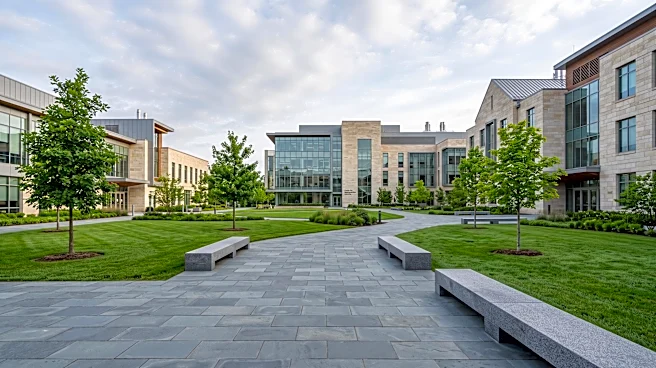
The Campus Times reported on a 'Take a Break, Build a Connection' wellness event held outside the Randall Lewis Center for Well-Being and Research. The event, organized by senior capstone students from the Sociology of Health and Well-Being course, aimed
to encourage students to relax, recharge, and connect with peers through interactive activities and self-care. Activities included crafts, writing positive messages, exploring a campus belonging map, browsing donated clothes, and enjoying free food and refreshments. The event's core objectives were to reduce stress, build social connections, support student well-being, and strengthen the campus community. Sociology professor Julie Abighanem, who teaches the course, stated that each activity was designed with specific learning objectives rooted in sociological theories of mental health and well-being.
Why It's Important?
This wellness event highlights the increasing recognition within educational institutions of the critical link between social connection, mental health, and academic success. By creating a dedicated space for students to engage in self-care and build community, the event directly addresses issues of stress and isolation that are prevalent among college students. The integration of sociological theories into the event's design underscores a deeper understanding of how social forces influence individual well-being, moving beyond superficial engagement to foster meaningful connections. Such initiatives are vital for cultivating a supportive campus environment where students feel valued and connected, which can lead to improved mental health outcomes and a stronger sense of belonging, ultimately contributing to better academic performance and overall student retention.
What's Next?
The success of events like 'Take a Break, Build a Connection' may inspire future similar initiatives at the college, potentially becoming a regular feature of campus life. Student organizers and faculty may use feedback from this event to refine and expand future wellness programs, incorporating new activities or themes. The Sociology of Health and Well-Being course, being offered for the first time, could continue to integrate practical, student-led projects that directly benefit the campus community, providing valuable experiential learning opportunities for students. Continued collaboration between academic departments and student support services could further enhance the reach and impact of such wellness efforts, creating a more holistic approach to student well-being.
Beyond the Headlines
This event signifies a shift in educational paradigms, where colleges are increasingly recognizing their role in fostering not just academic growth but also holistic student development. By empowering students to organize and lead wellness initiatives, the college promotes leadership skills and a sense of ownership over campus culture. The focus on 'belonging' through activities like the campus belonging map addresses a fundamental human need and can be particularly impactful for students who may feel marginalized or isolated. This proactive approach to mental health, emphasizing community and connection, moves beyond reactive crisis intervention and aims to build a resilient and supportive student body, reflecting a broader societal understanding of well-being as a collective responsibility.