



What's Happening?
Gen Z is redefining winter fashion for 2026 by integrating vintage-inspired pieces with modern basics, emphasizing comfort, relaxed silhouettes, and statement outerwear. This trend sees the resurgence of styles from the 1990s and early 2000s, including
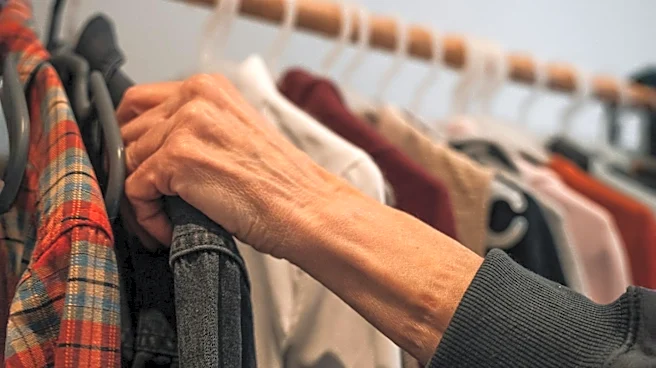
capri pants, faux-fur jackets, oversized trench coats, and military-inspired outerwear. Canvas sneakers are also becoming a popular choice for winter, paired with various outfits for versatility and affordability. The approach focuses on mixing and matching existing wardrobe items and exploring second-hand options to create stylish yet budget-friendly looks. Key elements include track pants with fitted tops and oversized jackets, colorful windbreakers with jeans, and military jackets styled with baggy denim. Funnel-neck jackets and leather-look trousers are also gaining traction, offering polished and edgy touches, respectively. Plaid and flannel layering continues to be a versatile option, while slouchy boots and chunky footwear complete the relaxed aesthetic.
Why It's Important?
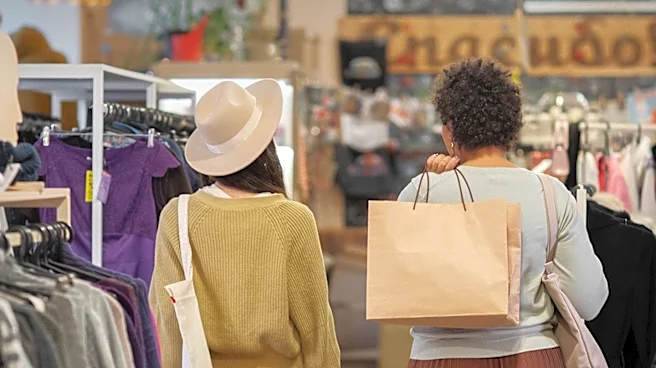
This shift in Gen Z fashion is significant as it highlights a growing preference for sustainability and conscious consumption within a major demographic. By favoring vintage and second-hand items, Gen Z is actively reducing the demand for fast fashion and its associated environmental impact, influencing the broader retail landscape. This trend also challenges traditional seasonal fashion cycles, promoting a more timeless and adaptable wardrobe. For U.S. retailers and brands, this means a need to adapt strategies to cater to a consumer base that values longevity, versatility, and ethical production over constant newness. Companies that can offer durable, multi-functional, and sustainably sourced clothing, or facilitate second-hand markets, are likely to gain a competitive edge. The emphasis on budget-friendly styling also indicates a pragmatic approach to fashion, potentially leading to a decrease in impulse purchases and a rise in thoughtful investment pieces.
What's Next?
The continued influence of Gen Z on fashion trends suggests that sustainable and vintage-inspired styles will likely remain prominent in the coming years. Retailers may increasingly invest in circular fashion initiatives, such as resale platforms and repair services, to align with consumer values. Designers might focus on creating versatile pieces that can be styled in multiple ways and across different seasons, moving away from highly specific, short-lived trends. We can also anticipate a greater emphasis on material innovation, with brands exploring eco-friendly fabrics and production methods. The market for second-hand and vintage clothing is expected to expand further, with more platforms and physical stores catering to this demand. Fashion education may also shift to include more emphasis on styling existing wardrobes and making sustainable choices, rather than solely promoting new collections.
Beyond the Headlines
Beyond the immediate fashion implications, Gen Z's approach to winter trends reflects a broader cultural shift towards mindfulness and resourcefulness. This generation, having grown up with heightened awareness of environmental issues and economic uncertainties, is translating these concerns into their consumption habits. The blending of vintage and modern elements in fashion can be seen as a form of creative expression that values individuality and personal style over conformity to fleeting trends. This movement also fosters a sense of community around shared values, as individuals connect over sustainable practices and unique finds. The emphasis on comfort and practicality in clothing choices may also signal a rejection of restrictive beauty standards, promoting a more inclusive and body-positive approach to fashion. This trend could ultimately lead to a more ethical and less wasteful fashion industry, driven by consumer demand for transparency and responsibility.