








What's Happening?
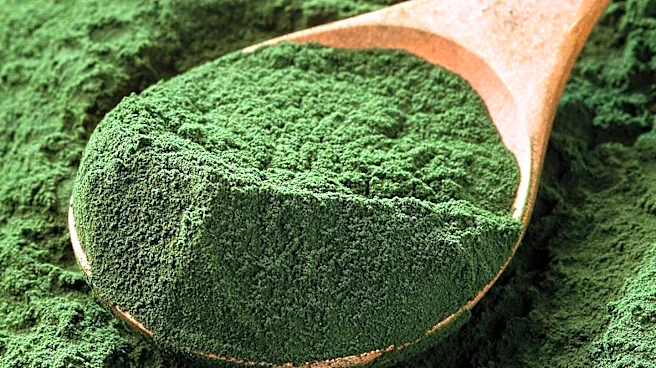
There is a growing trend of adding mushroom powder, particularly lion's mane, to coffee for purported cognitive benefits such as improved focus, memory, and overall brain health. Nutritionist Rhiannon Lambert explains that while lion's mane is an interesting
area of research, the evidence in humans is still emerging and largely inconclusive. Many claims surrounding functional mushrooms stem from laboratory and animal research, which do not always translate directly to human benefits. Lambert emphasizes that the amount and type of mushroom extract in studies often differ significantly from what is found in commercial coffee products, making it difficult to assume similar benefits. She advises caution against assuming that adding these mushrooms automatically makes coffee healthier or significantly boosts cognitive function.
Why It's Important?
This trend highlights a broader issue in the health and wellness industry where marketing claims often outpace scientific evidence. Consumers seeking quick fixes for cognitive enhancement may invest in products with unproven benefits, potentially diverting resources from more established health practices. The lack of robust human studies means that individuals might not experience the advertised improvements, leading to consumer skepticism or disappointment. For the functional food and supplement market, this situation underscores the importance of transparent communication about scientific backing and the need for more rigorous research to substantiate health claims, ensuring consumer trust and product efficacy.
What's Next?
As consumer interest in functional foods continues to grow, further research into the effects of mushroom extracts on human cognition is anticipated. Dietitians and health professionals will likely continue to advise caution and emphasize the importance of a balanced diet and healthy lifestyle over reliance on single ingredients for cognitive benefits. Regulatory bodies may also face increased pressure to scrutinize health claims made by manufacturers of mushroom-infused products to ensure accuracy and prevent misleading advertising. Consumers can expect to see ongoing debates and studies regarding the efficacy of these supplements, influencing future product development and marketing strategies in the wellness industry.
Beyond the Headlines
The popularity of mushroom-infused coffee reflects a societal desire for enhanced performance and well-being in an increasingly demanding world. This trend taps into ancient traditions of using natural remedies, but in a modern, convenient format. It also raises questions about the placebo effect, where belief in a product's efficacy can lead to perceived benefits, regardless of its actual physiological impact. Furthermore, the market for such products often thrives on anecdotal evidence and influencer endorsements, creating a challenge for consumers to discern credible scientific information from marketing hype. This dynamic underscores the broader cultural shift towards self-optimization and the continuous search for natural ways to improve health and cognitive function.