






What's Happening?
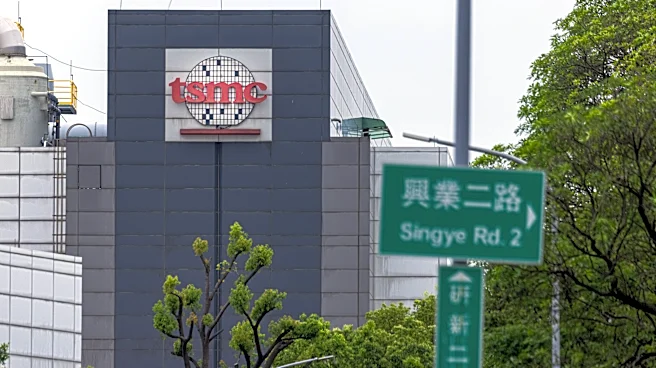
Rathbones Group PLC has increased its stake in Taiwan Semiconductor Manufacturing Company Ltd. (NYSE: TSM) by 10.8% during the third quarter, according to its latest SEC filing. The firm now owns 1,217,670 shares of the semiconductor company's stock,
having acquired an additional 118,678 shares during the period. This investment makes Taiwan Semiconductor Manufacturing (TSM) the 12th largest holding for Rathbones Group PLC, constituting approximately 2.0% of its total portfolio. As of its most recent SEC filing, Rathbones Group PLC's holdings in TSM were valued at $555,489,000. Other institutional investors have also made significant changes to their positions in TSM, with Tiger Global Management LLC boosting its holdings by 49.4% in the first quarter, and Fundsmith LLP, Assenagon Asset Management S.A., and Mirae Asset Global Investments Co. Ltd. all purchasing new positions in the second and third quarters. Hedge funds and other institutional investors collectively own 16.51% of TSM's stock.
Why It's Important?
The increased investment by Rathbones Group PLC and other institutional investors in Taiwan Semiconductor Manufacturing Company Ltd. (TSM) signals strong confidence in the semiconductor industry and TSM's position within it. TSM is a critical player in the global technology supply chain, manufacturing chips for a wide range of industries including computing, communications, automotive, and consumer electronics. This heightened institutional interest suggests that major financial entities view TSM as a robust long-term investment, despite recent market fluctuations and geopolitical tensions. The company's role as a leading foundry, producing chips designed by other companies, makes it indispensable to the tech sector. For the U.S. economy, TSM's stability and growth are vital, as many American technology companies rely on its advanced manufacturing capabilities. Any disruption to TSM's operations or changes in its market performance could have ripple effects across U.S. industries dependent on semiconductors, from consumer electronics to defense.
What's Next?
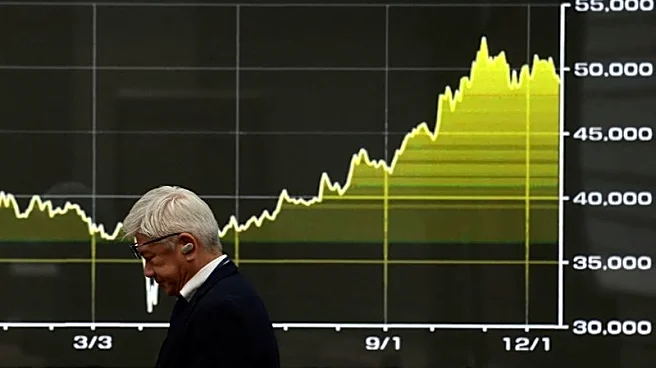
The continued accumulation of TSM shares by institutional investors suggests an expectation of sustained growth and profitability for the semiconductor giant. This trend could further bolster TSM's stock performance and market valuation. However, TSM faces ongoing challenges, including new U.S. export rules that have reportedly led to the suspension of some advanced chip orders from Chinese designers and restrictions on certain customers to older technologies. These regulations could impact TSM's revenue streams and operational flexibility. Additionally, the broader regional market selloff in Taiwan, partly due to investors pulling back from AI-related stocks, could exert downward pressure on TSM's stock. The company's recent investment in Anthropic shares, an AI company, indicates a strategic move to strengthen its connection to the burgeoning artificial intelligence sector, potentially offsetting some of the negative impacts from export restrictions.
Beyond the Headlines
The significant institutional investment in Taiwan Semiconductor Manufacturing Company Ltd. (TSM) highlights the strategic importance of semiconductor manufacturing in the current global economic and geopolitical landscape. TSM's role as a foundational technology provider means that its financial health and operational stability are not just corporate concerns but also matters of national and international security. The interplay between U.S. export controls, TSM's business decisions, and the broader market sentiment in Asia underscores the complex web of factors influencing the tech industry. This situation also brings to light the ethical considerations surrounding technology transfer and the balance between national security interests and global economic interdependence. The ongoing competition for technological supremacy, particularly in advanced chip manufacturing, will likely continue to shape investment patterns and regulatory frameworks for years to come, with profound implications for innovation and economic growth worldwide.